Creator token launchpad market valuation
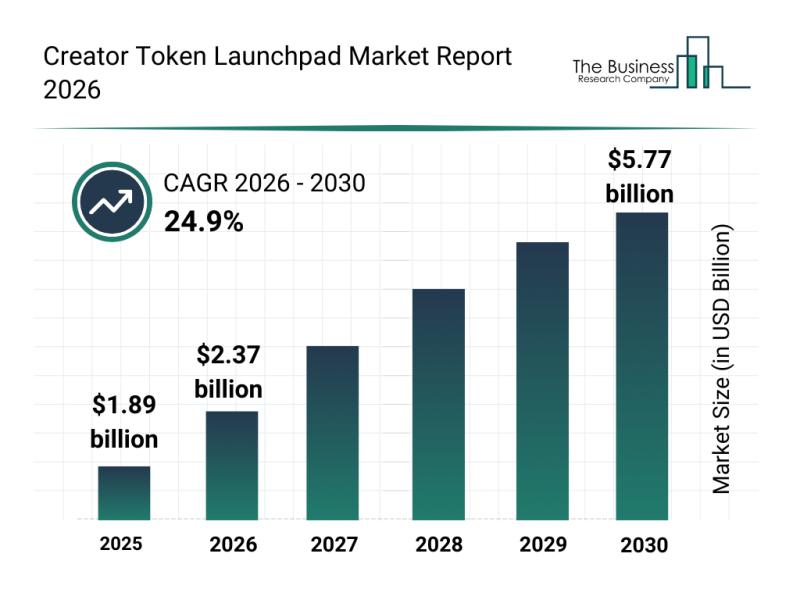
The creator token launchpad market has moved from a speculative fringe to a substantial financial sector. According to research from Dataintelo, the market was valued at $2.8 billion in 2025. This figure represents a significant consolidation of capital around infrastructure that allows creators to issue, manage, and trade their own digital assets.
The growth trajectory is steep. The same report projects the market will reach $18.9 billion by 2033, expanding at a compound annual growth rate (CAGR) of 25.4%. This velocity suggests that the underlying technology—smart contracts, decentralized identity, and fractional ownership models—is becoming the standard operating procedure for digital monetization.
This expansion is not merely about volume; it is about structural shift. As the market scales, the demand for reliable, secure, and compliant launchpad infrastructure increases. Creators and investors alike are moving away from ad-hoc solutions toward platforms that offer audit trails, regulatory clarity, and seamless integration with existing financial tools. The $2.8 billion baseline is not a peak; it is the foundation for a much larger ecosystem.
The Infrastructure Layers Powering Social Tokens
The architecture behind creator tokens has shifted from simple ERC-20 and ERC-721 implementations to modular, rollup-based systems. This transition addresses the primary friction points of early social tokens: high gas fees and slow settlement times. By moving transaction processing off the main Ethereum chain, creators can now issue and trade tokens with minimal overhead, making micro-transactions and frequent engagement viable.
This structural change allows for a more fluid economy where the token itself becomes a functional tool rather than just a speculative asset. Rollups bundle transactions together, significantly reducing the cost per trade. For creators, this means the token can be integrated directly into community tools, such as gated content or voting mechanisms, without the transaction costs eating into the value. The infrastructure now supports high-frequency interactions that were previously economically unfeasible on layer-1 networks.
The market reflects this technical evolution. As infrastructure improves, the focus shifts from pure speculation to utility-driven engagement. Projects that leverage these efficient layers are seeing more sustainable volume, as the barrier to entry for community participation drops. The following chart illustrates the volatility and trading patterns of a major social token, highlighting how infrastructure efficiency impacts market behavior over time.
How to evaluate creator token value
Most creator tokens fail because they treat the token like a loyalty card rather than an economic engine. To separate viable projects from speculative noise, you need to look at three structural pillars: distribution mechanics, utility depth, and long-term value retention. This framework moves past the hype cycle and focuses on whether the token actually sustains value over time.
Distribution and Supply Dynamics
The way tokens are distributed determines the initial pressure on the market. A healthy model balances early investor allocation, team vesting schedules, and community incentives. If too large a percentage is unlocked immediately or held by insiders with no vesting, the supply shock can crush the price before the utility even launches.
Read the tokenomics section of the whitepaper or project documentation, not just the marketing materials. Check the breakdown across team, investors, treasury, and community. Look for linear vesting schedules that align team incentives with long-term project health rather than short-term pumps.
Utility That Drives Demand
Utility is often the weakest link in creator token models. A token that only grants access to a Discord channel has limited staying power. Strong utility integrates the token into a functional ecosystem where it is actively used or consumed.
Evaluate whether the token provides access to exclusive content, voting rights on project direction, or revenue sharing. The best models create a circular economy where holders are incentivized to retain and use the token, rather than sell it immediately after purchase. Research staking rewards and other economic incentives to see if they are sustainable or just inflationary bait.
Long-Term Value Retention
Speculation drives short-term volatility, but utility drives long-term retention. A robust creator token should have mechanisms that encourage holding, such as staking for governance or tiered access levels that increase in value as the creator grows.
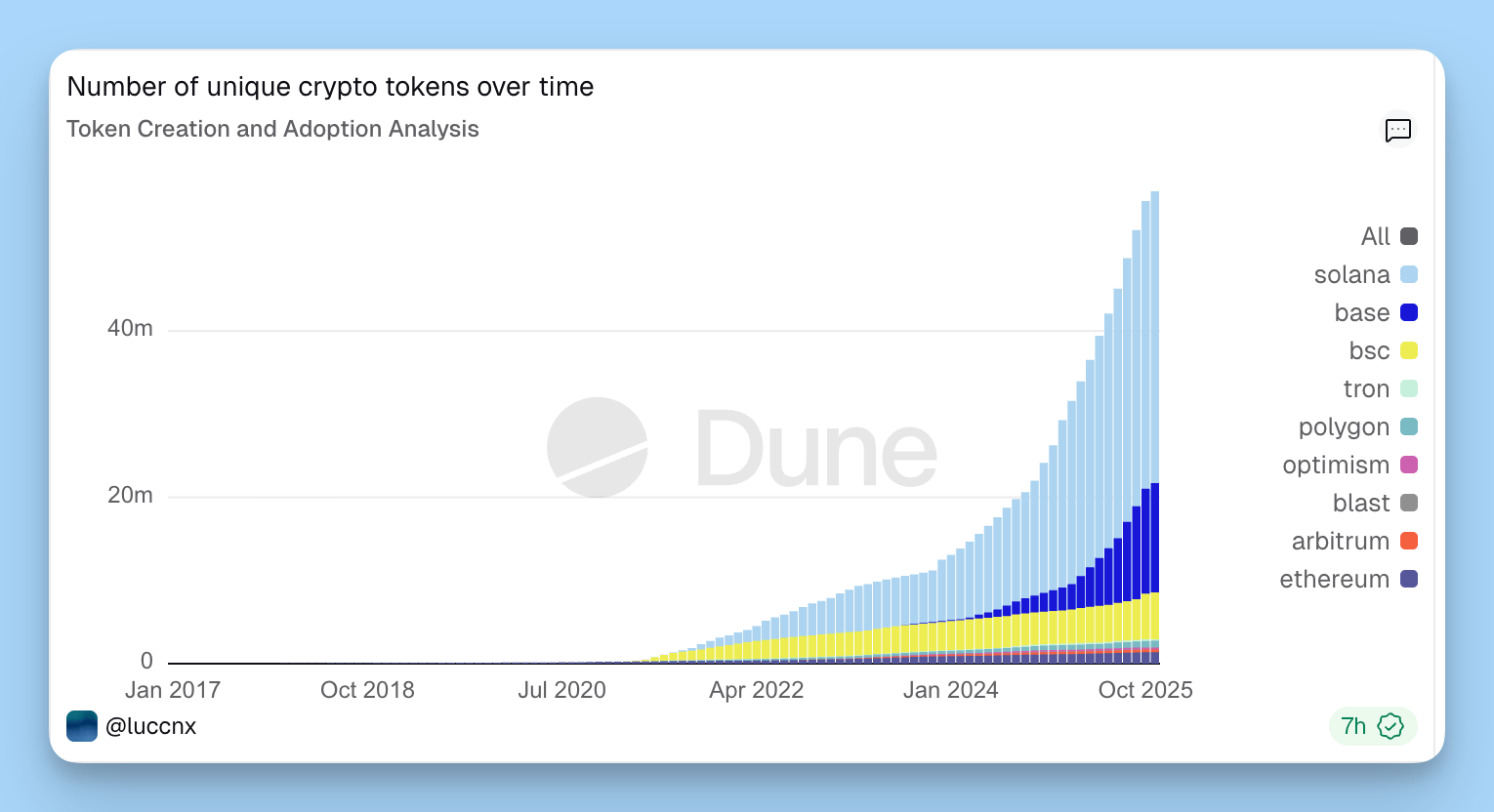
Live market data reflects these structural realities. The following widget shows real-time pricing for a representative creator token, demonstrating how market sentiment reacts to utility updates and distribution events.
The image above illustrates the core philosophy: "Own the quote; own the economy." This isn't just marketing copy; it's a structural shift from passive consumption to active ownership. When creators and communities share economic upside, the token becomes a stake in the creator's future success, not just a ticket to a stream.
To analyze any creator token effectively, start by auditing the distribution schedule, then stress-test the utility model, and finally assess the mechanisms for value retention. If any of these pillars are weak, the token is likely designed for extraction rather than creation.
The Fragile Infrastructure Behind Creator Tokens
Creator tokens are not just digital collectibles; they are complex financial instruments built on a foundation of social trust and fragile code. Unlike traditional equities, where value is anchored by earnings and assets, creator tokens rely entirely on the creator’s continued relevance and technical competence. When either pillar cracks, the asset often collapses with little warning.
The smart contract layer introduces immediate technical risk. Many creator tokens are deployed rapidly with minimal auditing, leaving them vulnerable to exploits, liquidity traps, and governance failures. A single bug in the tokenomics logic can drain value or freeze trading indefinitely. Investors are essentially betting on the developer’s ability to write secure code while the market waits for the next announcement.
Regulatory uncertainty looms large over the sector. As securities laws evolve, tokens that function as investment contracts may face enforcement actions, delisting, or legal restrictions. This ambiguity creates a persistent discount on creator assets, as institutional capital remains cautious and retail investors bear the brunt of potential compliance shocks.
Perhaps the most significant risk is creator abandonment. The correlation between a creator’s activity and token price stability is stark. When a creator loses interest, pivots to other projects, or simply stops communicating, the token’s utility evaporates. Without active engagement or a clear roadmap, the community disperses, and liquidity dries up, leaving holders with worthless digital receipts.
Strategic checklist for investors
Evaluating a creator token requires treating it as a business valuation rather than a speculative bet. Before allocating capital, you must verify the underlying infrastructure and economic incentives. This workflow filters out low-utility projects and highlights those with sustainable growth models.
Read the technical whitepaper, not the marketing page. Check the distribution across team, investors, treasury, and community. Ensure the utility within the ecosystem is real and not just a placeholder for future promises.
Look for vesting periods for team and early investors. A sudden influx of unlocked tokens can crash the price. Ensure the supply is not overly concentrated in a few wallets that could dump on retail buyers.
Check the liquidity pool depth on decentralized exchanges. Low liquidity means high slippage and volatility. Consistent trading volume indicates genuine interest rather than wash trading or artificial inflation.
Review the creator’s previous projects and community engagement. A consistent history of delivering value suggests reliability. Sudden pivots or abandoned projects are red flags for future performance.
Ensure the token complies with relevant securities laws in your jurisdiction. Non-compliant tokens face delisting risks and legal challenges that can erase value overnight. Look for clear legal opinions or disclaimers in the documentation.
This checklist provides a baseline for due diligence. Always combine this with real-time market data and professional financial advice before making investment decisions.
Frequently asked questions about creator tokens
How to analyze tokenomics?
Start by reading the technical whitepaper, ignoring the marketing gloss. Verify how tokens are distributed among the team, early investors, the treasury, and the community. Evaluate the actual utility within the ecosystem and research staking rewards or other economic incentives to understand long-term sustainability.
Are creator tokens a good investment?
Creator tokens function more like speculative equity than traditional securities. Their value is tightly coupled to the creator's ongoing engagement and brand health. While some tokens offer governance rights or exclusive access, most lack the cash flow or regulatory protections of traditional assets, making them high-risk ventures suitable only for those comfortable with significant volatility.
What are the risks of holding creator tokens?
The primary risk is platform dependency; if the hosting platform changes its algorithm or shuts down, token liquidity can vanish overnight. Additionally, creator scandals or loss of audience interest can cause immediate price crashes. Unlike stocks, there is no underlying revenue share or legal recourse for token holders if the creator underperforms.
How do creator tokens differ from NFTs?
NFTs are typically non-fungible, representing unique ownership of a specific digital item. Creator tokens are fungible, similar to traditional stocks, representing a share of the creator's future earnings or influence. While NFTs trade on scarcity, creator tokens trade on the perceived long-term value of the creator's personal brand and audience engagement.
No comments yet. Be the first to share your thoughts!