The creator token launchpad market is scaling fast
The infrastructure supporting creator tokens is moving from experimental side projects to a core component of the digital economy. Market analysts project that the creator token launchpad market will grow from $2.8 billion in 2025 to $18.9 billion by 2033, representing a compound annual growth rate of 25.4%.
This rapid expansion signals a shift in how creators and investors interact. Launchpads are no longer just simple fundraising tools; they are becoming complex financial ecosystems that handle token issuance, liquidity management, and community governance. For institutional players, this growth curve suggests that the underlying technology is maturing quickly enough to support larger capital deployments.
The velocity of this growth is driven by two main factors: the increasing sophistication of blockchain infrastructure and the demand for new monetization models among top-tier content creators. As platforms improve their user experience and security protocols, they lower the barrier to entry for both creators and retail investors. However, this surge in activity also brings heightened scrutiny. The high stakes involved mean that due diligence is not optional—it is the primary defense against volatility and platform risk.
While the numbers are compelling, they reflect a market that is still finding its footing. The 25.4% CAGR indicates strong momentum, but it also highlights the speculative nature of the sector. Investors and creators alike must look beyond the headline growth figures and examine the underlying mechanics of each launchpad. Sustainable growth in this space will depend on transparency, regulatory compliance, and the ability to deliver real value to token holders.
The trajectory suggests that we are in the early innings of a significant structural shift. Those who approach this market with a focus on infrastructure quality and long-term utility, rather than short-term speculation, are better positioned to manage the coming years.
Infrastructure upgrades driving utility
The friction that once made creator tokens feel like speculative novelty items is rapidly eroding. For years, high gas fees and slow settlement times turned every micro-transaction into a costly ordeal, effectively pricing out the very communities these tokens were built to serve. That era is ending. The shift toward high-throughput networks like Solana and Ethereum Layer 2 rollups has fundamentally altered the economics of digital ownership.
These technical improvements do more than just lower costs; they enable new use cases that were previously impossible. Creators can now offer real-time access, exclusive content drops, and interactive community features without worrying about network congestion or exorbitant transaction fees. The infrastructure is no longer a bottleneck but a catalyst for utility.
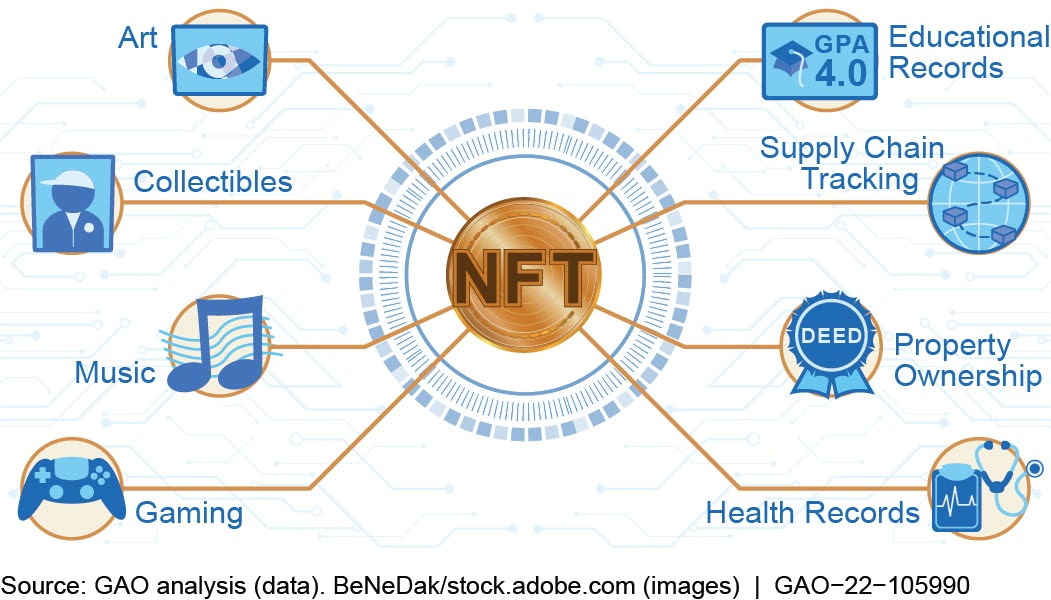
This transition from pure speculation to functional utility is critical for long-term viability. As noted in recent technical feasibility assessments, the ease and cost of development on these newer chains allow for more sophisticated smart contract interactions. This means creator tokens can evolve beyond simple collectibles into active tools for fan engagement and revenue generation.
However, the rapid pace of innovation requires careful due diligence. While the technology offers immense potential, the underlying protocols are still maturing. Investors and creators must evaluate the security models and decentralization trade-offs of each network. The goal is to build sustainable ecosystems, not just temporary hype cycles. The infrastructure is ready; the question is whether the participants will use it wisely.
Compare Creator Token Models
Choosing the right monetization structure depends on what you are actually selling. The market generally sorts creator tokens into three distinct buckets: exclusive commerce, community access, and speculative assets. Each model carries different risks, revenue potentials, and operational requirements.
Exclusive Commerce
This model treats the token as a key to physical or digital goods. Creators use it to sell art, music, or services that are unavailable elsewhere. The value proposition is straightforward: you buy the token to get the product. Revenue is tied directly to sales volume, making it predictable but limited by inventory or production capacity.
Community Access
Here, the token functions as a membership card. Holders gain entry to private channels, early content drops, or direct interaction with the creator. This model relies on recurring engagement rather than one-off transactions. It builds a loyal base but requires consistent content output to prevent churn.
Speculative Assets
Some tokens are marketed primarily for their potential price appreciation. Holders buy in hoping the creator’s fame drives up the token’s value. This model attracts investors rather than just fans. It can generate rapid capital but carries high volatility and regulatory scrutiny, as these tokens often resemble securities.
| Feature | Exclusive Commerce | Community Access | Speculative Assets |
|---|---|---|---|
| Primary Utility | Access to goods/services | Access to content/community | Price appreciation |
| Target Audience | Customers | Members/Fans | Investors/Traders |
| Revenue Stability | High (sales-driven) | Medium (retention-driven) | Low (market-driven) |
| Risk Level | Low | Medium | High |
The choice isn't just about what you want to sell; it's about who you want to serve. A musician might use exclusive commerce for vinyl records, community access for a Discord server, or speculative assets for a brand partnership. Most successful creators blend these models, but starting with one clear focus reduces complexity and builds trust.
| Model | Primary Utility | Target Audience | Revenue Stability |
|---|---|---|---|
| Exclusive Commerce | Goods & Services | Customers | Predictable |
| Community Access | Content & Access | Members | Recurring |
| Speculative | Price Growth | Investors | Volatile |
ROI strategies for creators and holders
Building a sustainable return on investment in creator tokens requires shifting focus from speculative pumps to genuine community equity. The market has moved past the era where any tokenized content guaranteed profits; today, success depends on treating your token like a long-term brand asset rather than a quick flip. This approach demands rigorous due diligence and a commitment to delivering ongoing value to your holders.
For creators, the most effective strategy is to align token utility with exclusive, recurring engagement. Instead of one-off drops, structure your ecosystem around membership tiers that offer access to private channels, early content, or direct interaction. This model transforms passive holders into active stakeholders who are invested in your continued success. When holders feel a direct connection to your workflow, they are less likely to sell during minor market dips, stabilizing the token’s price floor.
Holders, on the other hand, must prioritize projects with transparent treasury management and clear utility roadmaps. Avoid tokens that rely solely on marketing hype or influencer shills. Instead, look for creators who demonstrate consistent output and have established mechanisms for token burn or revenue sharing. This discipline helps filter out the noise and identifies opportunities with genuine upside potential.
To illustrate current market conditions, here is the live price data for a top-tier creator token. This widget provides real-time valuation context, helping you gauge entry and exit points based on actual market movement rather than static historical data.
Frequently asked questions about creator tokens
How do creator tokens generate value?
Value in creator tokens typically stems from utility and community access. Many creators offer art, music, crafts, or services that can only be acquired with their specific tokens. This exclusive commerce model aligns the financial incentives of the audience with the ongoing success and output of the creator, creating a self-reinforcing economic loop.
What metrics should I track for due diligence?
Because creator tokens are high-stakes assets, you must look beyond price action. Evaluate the creator’s migration rates, average and maximum all-time high (ATH) market cap, and total tokens launched. Tools like the Solana Token Creator Tracker provide over 20 metrics to analyze these profiles, helping you distinguish between sustainable community growth and speculative hype.
Is the creator token market safe for beginners?
The creator token space carries high volatility and risk. While the underlying technology is technically feasible, the economic models vary widely in sustainability. Always verify the official sources and smart contract audits before investing. Treat these tokens as experimental infrastructure rather than guaranteed returns, and never allocate capital you cannot afford to lose.
No comments yet. Be the first to share your thoughts!