Creator tokens analysis
The creator token market has shifted from speculative hype to infrastructure. In 2026, the focus is no longer on minting a token and hoping for liquidity, but on building sustainable utility. We analyze the platforms that actually deliver value through exclusive commerce, community access, and direct monetization.
A creator token is a digital asset issued by an individual—such as an artist, musician, or influencer—to monetize their content and build a Web3 ecosystem. Unlike traditional sponsorships, these tokens allow fans to hold a stake in a creator’s brand. This alignment of incentives transforms passive audiences into active participants. The value proposition rests on exclusive access, whether that’s behind-the-scenes content, early product drops, or direct interaction.
The rise and fall of many early Web3 creator tokens serves as a cautionary tale. Many projects failed because they offered no tangible utility beyond speculation. Today’s successful platforms solve this by integrating tokens into existing commerce workflows. Creators can sell art, music, crafts, and services that can only be acquired with their specific tokens, creating a closed-loop economy that retains value within the community.
When evaluating creator token platforms, prioritize those with robust onchain infrastructure. Look for features like fractionalized ownership, automated royalty splits, and seamless wallet integration. The best tools remove the friction of blockchain technology, allowing creators to focus on content rather than code. This section breaks down the leading platforms based on their ability to support these practical needs.
The FTMUSDT chart above illustrates the broader market sentiment affecting many creator-focused tokens. While social tokens are niche, they often correlate with the performance of their underlying blockchain. Platforms built on faster, cheaper chains like Fantom or Polygon tend to see higher transaction volumes for micro-transactions, which are essential for creator-fan interactions.
Creator token analysis choices that change the plan
Choosing a creator token infrastructure requires balancing immediate liquidity against long-term community alignment. The market for launchpads is expanding rapidly, with valuations projected to grow significantly through 2033, but the mechanics of each platform dictate how creators capture value and how fans engage.
When evaluating options, consider the fee structure, token standard compatibility, and the level of curation. Some platforms prioritize high-volume trading with minimal friction, while others offer deeper integration with existing Web3 social graphs. The right choice depends on whether your priority is pure monetization efficiency or building a dedicated ecosystem.
| Feature | Platform A | Platform B | Platform C |
|---|---|---|---|
| Fee Structure | 2.5% mint, 0% trade | 1% flat fee | 5% mint, 2% trade |
| Token Standard | ERC-20 | ERC-1155 | Custom ERC-20 |
| Curation | Open launch | Application required | Invite only |
| Secondary Market | External DEXs | Internal marketplace | Integrated wallet |
Beyond the platform itself, the technical infrastructure determines how smoothly transactions occur. A provider-backed technical chart helps visualize the volatility and trading volume trends associated with creator tokens, offering insight into market sentiment. Analyzing these charts alongside platform-specific metrics can reveal whether a token is experiencing speculative spikes or sustainable growth driven by community engagement.
How to choose the right creator token infrastructure
Building a creator token is less about the code and more about the user experience. If the minting process is clunky or the wallet setup is confusing, your community will leave before they buy. The 2026 landscape favors platforms that abstract away blockchain complexity while keeping ownership on-chain. Use this framework to evaluate your options.
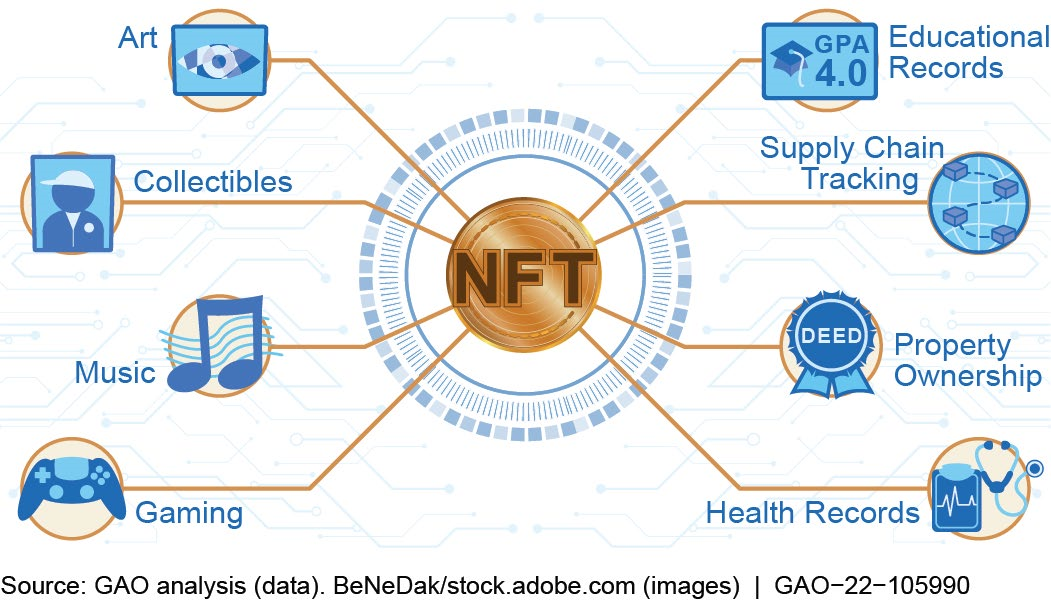
Start by auditing your community’s technical comfort. If your followers are casual fans, choose a platform with account abstraction or social login. They should be able to buy tokens with a credit card, not a MetaMask seed phrase. If your base is crypto-native, prioritize platforms with advanced governance features and lower gas fees on L2s like Base or Arbitrum.
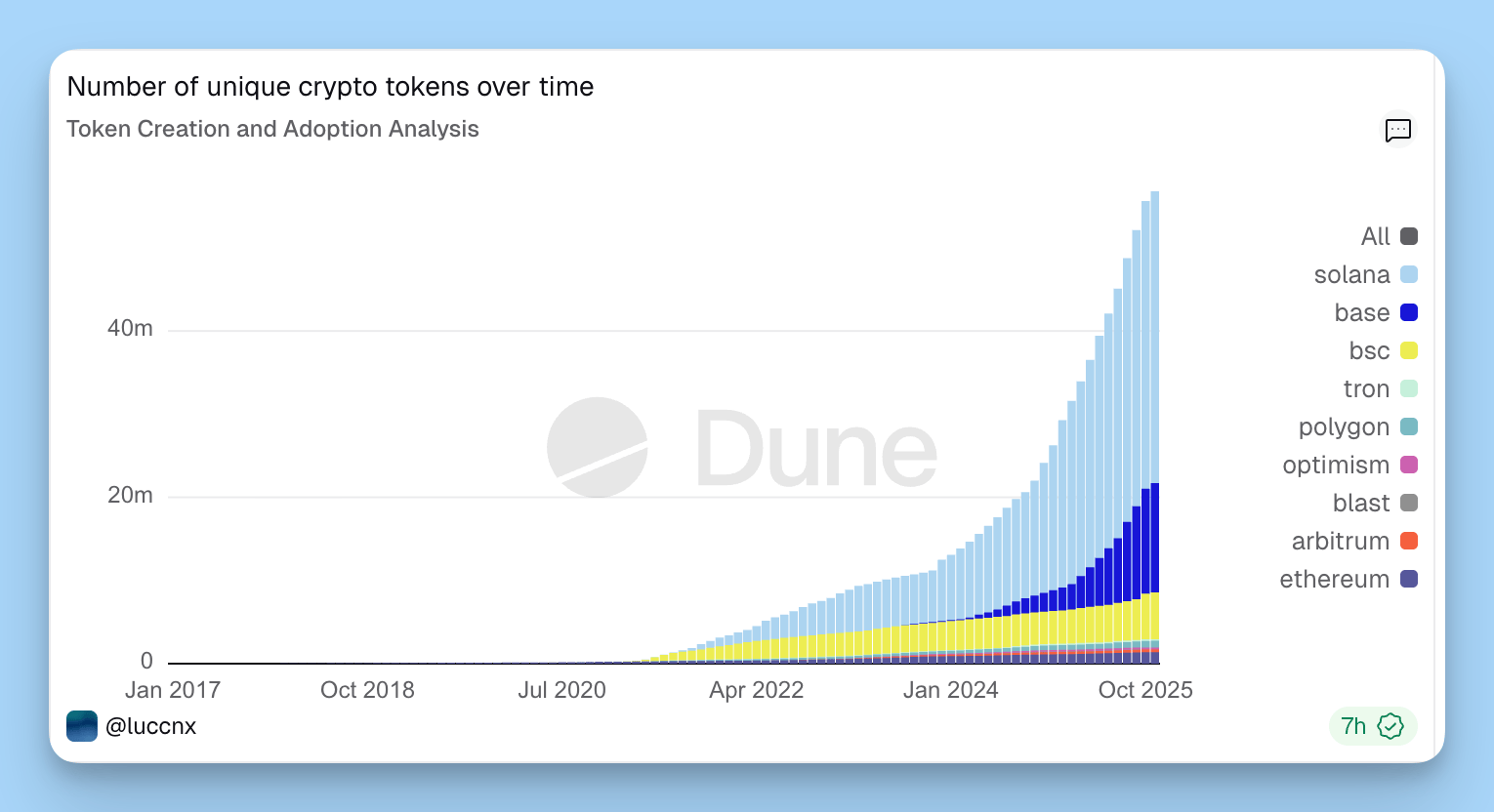
Look beyond the token price. The best infrastructure lets you attach exclusive perks directly to ownership. Can holders unlock private Discord channels? Can they redeem physical merch? Platforms like Zora or Friend.tech offer different strengths here. Zora excels at digital art and collectibles, while others focus on social interaction and chat access. Match the tool to the perk you want to sell.
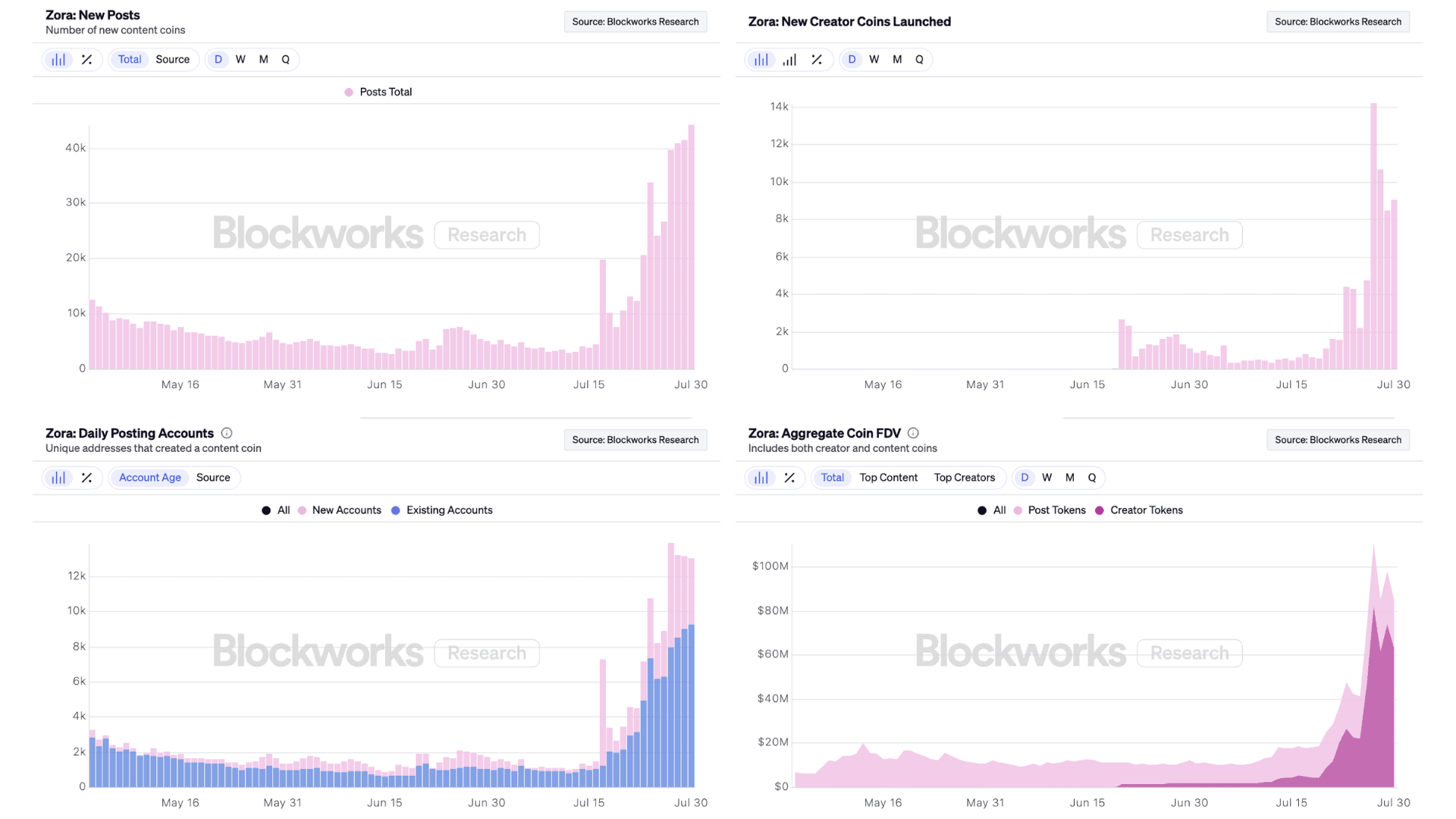
Your revenue often comes from secondary sales, not just the initial mint. Compare the platform’s cut against competitors. Some take 2.5% on every resale, while others offer lower fees for high-volume creators. Ensure the platform has enough liquidity so your token doesn’t become illiquid dust. A token that can’t be sold easily loses its value proposition for early supporters.
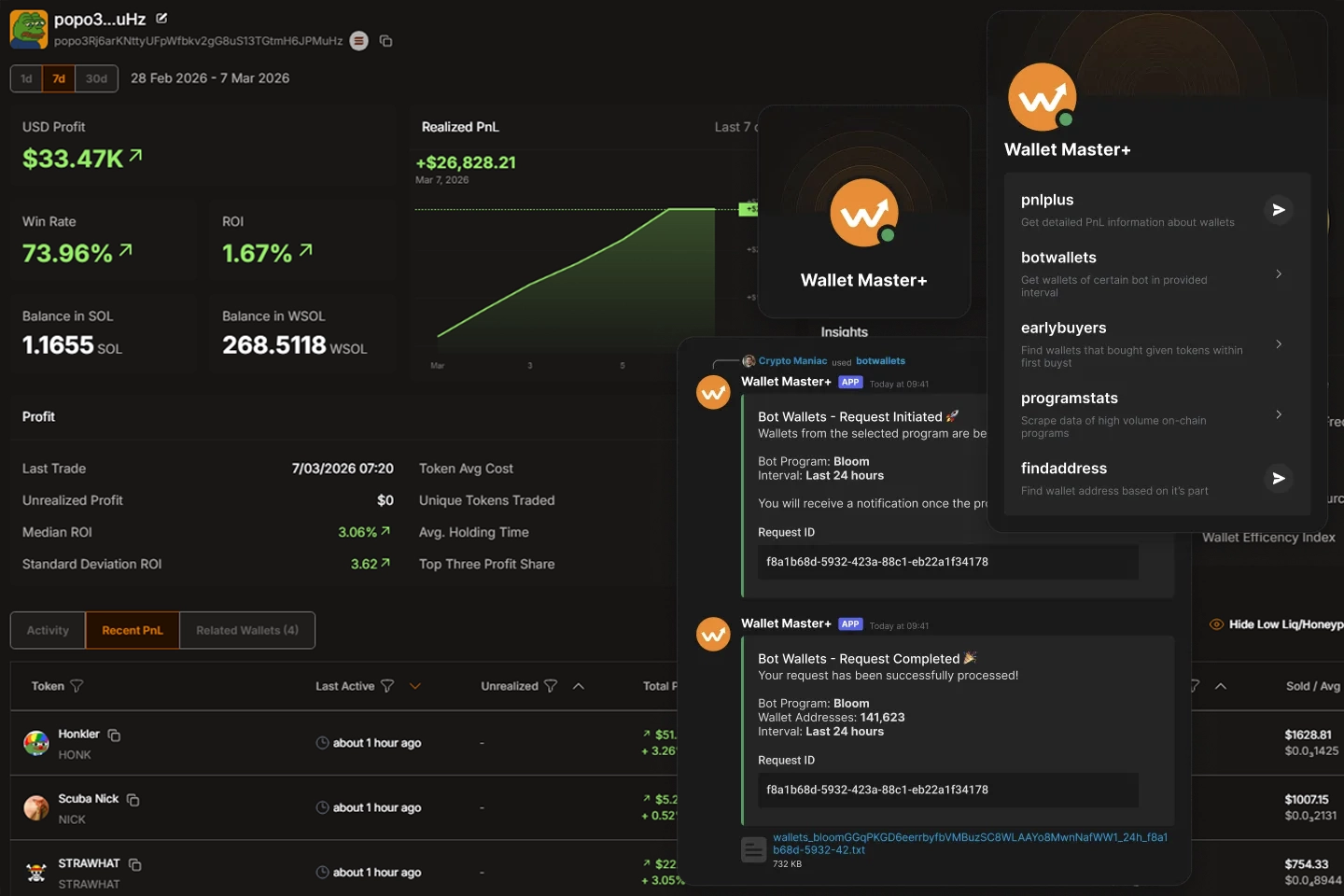
Creator tokens exist in a legal gray area in some jurisdictions. Choose infrastructure that handles KYC (Know Your Customer) or geo-blocking if you operate in regulated markets. Avoid platforms that ignore compliance; a sudden freeze or legal issue can halt your entire project. Official sources and legal counsel should always guide your final choice, especially if you plan to scale beyond a small community.
Spotting Weak Creator Token Options
The creator token space is littered with projects that promise community ownership but deliver diluted equity. As onchain infrastructure matures in 2026, the line between genuine utility and speculative hype has blurred. Many platforms market "exclusive access" while failing to deliver functional governance or sustainable revenue sharing.
A common mistake is ignoring tokenomics. Projects that mint unlimited supply without burn mechanisms inevitably crash. Look for contracts with clear vesting schedules and transparent treasury management. If a creator token lacks a defined utility beyond speculation, it is likely a weak option.
Technical charts often reveal the truth behind marketing claims. Use provider-backed widgets to analyze volume trends and holder distribution. Static price data is rarely enough; you need to see if real activity supports the token's value proposition. Avoid projects with concentrated holdings, as they are vulnerable to sudden dumps.
The rise and fall of many Web3 creator tokens follows a predictable pattern: initial hype, followed by a lack of sustained engagement. To avoid these pitfalls, focus on projects with clear, measurable benefits for holders. Whether it's exclusive content, voting rights, or revenue shares, the utility must be tangible and legally sound.
Creator tokens analysis: what to check next
Creator tokens often get confused with LLM token counts, which are the standard unit of measurement for language models. A common search query asks how many words are 1000 tokens. The answer depends on the model, but a rough rule of thumb is that 1 token equals about 0.75 words. Therefore, 1,000 tokens is approximately 750 words. This distinction matters because while LLM tokens measure text processing, creator tokens are digital assets representing equity or access in a creator's ecosystem.
The creator token launchpad market was valued at $2.8 billion in 2025 and is projected to reach $18.9 billion by 2033, growing at a 25.4% CAGR. This growth is driven by platforms enabling creators to issue tokens that grant exclusive commerce opportunities, such as access to art, music, and services. These tokens allow fans to directly support creators while participating in a Web3 ecosystem.
Unlike traditional social tokens, modern creator tokens are designed to enhance revenue by boosting transaction volume through speculative trading. This model relies on the token's value being tied to the creator's ongoing engagement and output. Investors analyze these tokens as they would any digital asset, considering the creator's ability to deliver on promises.
No comments yet. Be the first to share your thoughts!