What defines modern creator tokens
Modern creator tokens are distinct from generic meme coins because they are inextricably linked to a real-world creator’s identity and utility. Unlike speculative assets that rely purely on community sentiment, these tokens are ERC-20 contracts tied directly to a creator’s profile on platforms like Base via Zora. This infrastructure allows creators to earn from trading volume while giving holders a verifiable stake in that specific individual’s ecosystem. The token is not just a symbol; it is a programmable extension of the creator’s brand.
The technical definition hinges on "creator-defined guardrails." Standards like those from Apptokens allow creators to embed logic directly into the transfer function of their ERC-20, ERC-721, or ERC-1155 tokens. This means a creator can restrict who holds the token, limit transferability, or enforce community rules at the smart contract level. This structural difference separates utility-driven creator assets from the unrestricted, anonymous trading of typical meme coins.
This alignment of identity and code creates a unique market dynamic. Holders are not just betting on price action; they are participating in a verified, platform-native economy. The token’s value is often correlated with the creator’s ongoing engagement and output, making it a tool for community building rather than just speculation. Understanding this distinction is critical for anyone navigating the 2026 creator economy landscape.
Core infrastructure layers for launch
Issuing a creator token requires selecting the right blockchain and token standard. The three dominant paths are Ethereum’s Base network, Solana, and Ethereum mainnet. Each offers distinct trade-offs in cost, speed, and audience access.
Base has emerged as a primary hub for creator coins. These are ERC-20 tokens linked to a user’s Base app profile and powered by Zora’s infrastructure. This setup allows creators to earn from trading volume without managing complex smart contract deployments. Coinbase’s integration simplifies onboarding, making it a low-friction entry point for new audiences.
Solana offers a different technical stack. Tokens here use the Solana Program Library (SPL) standard and rely on high-throughput consensus. Creators often use tools like Orion for minting and Raydium for liquidity pools. The primary advantage is speed and near-zero transaction fees, which suits high-frequency trading or micro-transactions. However, the ecosystem requires a separate wallet setup and SOL balance.
Ethereum mainnet remains the most secure but expensive option. Gas fees can be prohibitive for small-scale creator tokens. While it offers the deepest liquidity and most established DeFi integrations, the cost barrier often pushes newer creators toward Layer 2 solutions like Base.
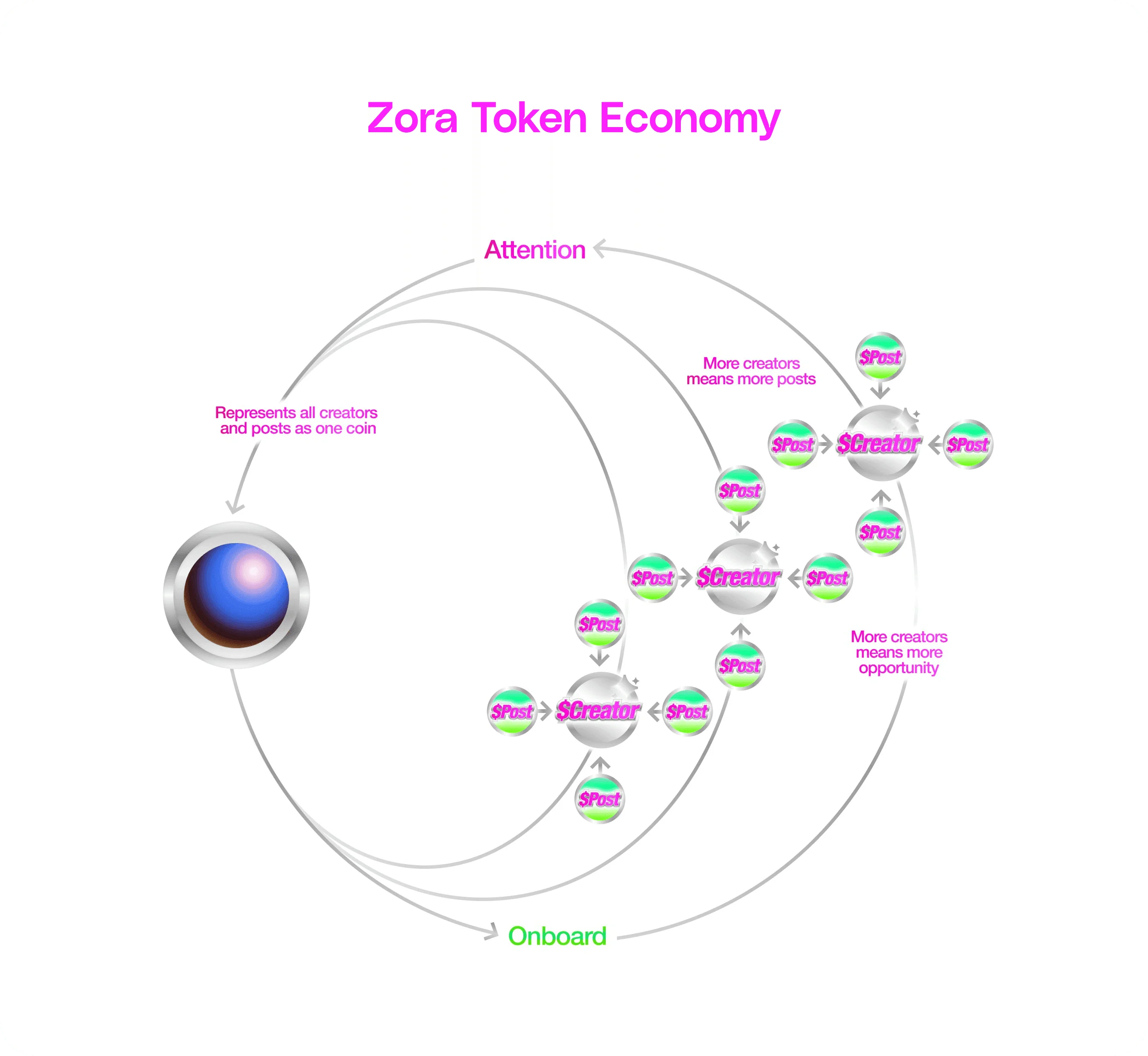
The choice of infrastructure dictates your liquidity mechanism. Base and Ethereum rely on ERC-20 standards with automated market makers (AMMs) like Uniswap. Solana uses SPL tokens with Raydium or Orca. Understanding these differences is essential for managing initial liquidity and trading pairs.
Top tools for minting and management
Creator Tokens works best as a clear sequence: define the constraint, compare the realistic options, test the tradeoff, and choose the path with the fewest hidden costs. That order keeps the advice usable instead of decorative. After each step, pause long enough to check whether the recommendation still fits the reader's actual situation. If it depends on perfect timing, unusual access, or a best-case budget, include a simpler fallback.
The simplest way to use this section is to write down the real constraint first, compare each option against it, and choose the path that still works outside ideal conditions.
Market dynamics and value drivers
Creator token value isn't driven by hype alone; it is anchored in the tangible utility and active engagement of the community. Unlike traditional speculative assets, a creator's token functions as a membership key and a participation badge. Its price stability relies on consistent demand from fans seeking exclusive access, early content drops, or direct interaction with the creator.
The market reflects these fundamentals through liquidity and trading volume. High engagement signals strong community loyalty, which attracts buyers and reduces volatility. Conversely, tokens with low utility or inactive communities often suffer from thin order books and erratic price swings. Understanding this link between community health and market performance is essential for both creators and investors.
To assess a token's true worth, look beyond the current price. Examine the holder distribution, transaction frequency, and the frequency of utility-based events. These metrics provide a clearer picture of long-term viability than short-term price charts.
Strategic checklist for sustainable growth
Creator Tokens works best as a clear sequence: define the constraint, compare the realistic options, test the tradeoff, and choose the path with the fewest hidden costs. That order keeps the advice usable instead of decorative. After each step, pause long enough to check whether the recommendation still fits the reader's actual situation. If it depends on perfect timing, unusual access, or a best-case budget, include a simpler fallback.

Helpful gear
Use these product recommendations as a starting point, then choose the size, material, and price point that fit how you actually use the gear.
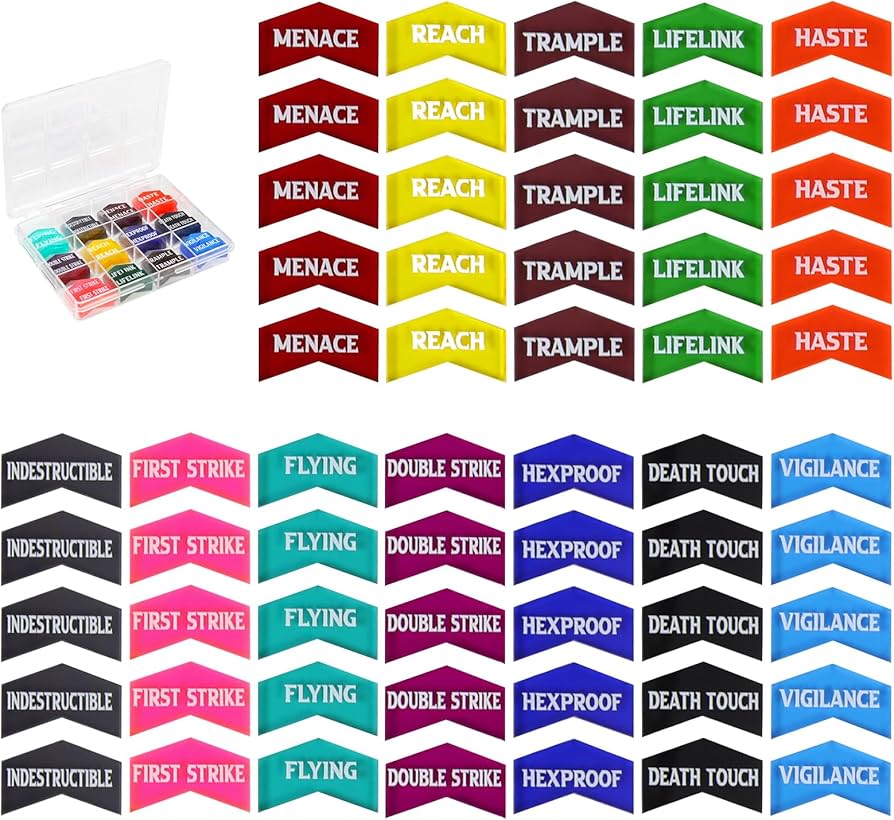
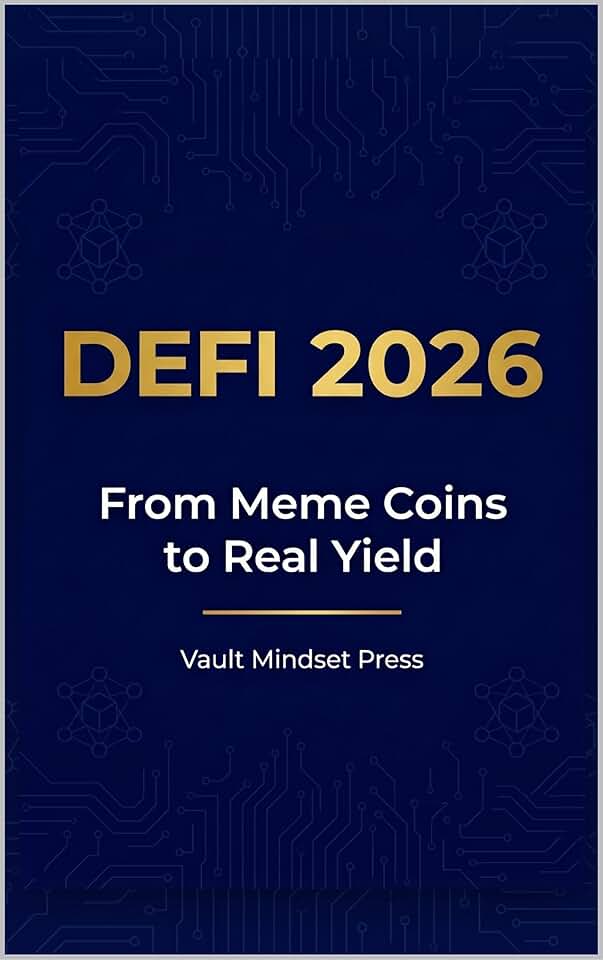
As an Amazon Associate, we may earn from qualifying purchases.
No comments yet. Be the first to share your thoughts!