Defining the creator token market
The creator token market represents a fundamental shift in how digital creators monetize their influence. Unlike traditional sponsorships or ad revenue, these tokens allow artists, musicians, and influencers to issue their own digital assets, effectively building a Web3 ecosystem where value is tied directly to the creator's ongoing output and community engagement. This isn't just about selling content; it's about creating a financial instrument that aligns the incentives of the creator with their most dedicated fans.
It is critical to distinguish creator tokens from non-fungible tokens (NFTs). While NFTs represent unique, one-of-a-kind digital items like art or collectibles, creator tokens are fungible. This means each token is identical to every other token of the same type, functioning more like a stock or a loyalty point than a unique piece of art. This fungibility allows for liquidity and broader market participation, enabling fans to buy, sell, and hold tokens as a way to support their favorite creators while potentially benefiting from the creator's growing popularity.
The market has evolved from speculative hype to a more utility-driven infrastructure. Early adopters focused on the novelty of "owning" a piece of a creator, but the current landscape emphasizes tangible benefits. These include access to exclusive content, voting rights in community decisions, or revenue-sharing models. This shift toward utility is stabilizing the market, moving it away from pure speculation and toward sustainable economic models that reward long-term engagement.
To understand the current state of this market, we can look at the performance of leading platforms and tokens. The following chart illustrates the recent price action of a representative creator token index, reflecting the broader market sentiment and utility adoption.
For creators looking to enter this space, selecting the right infrastructure is paramount. The following tools provide the necessary backend support for issuing, managing, and distributing creator tokens, ensuring that the technical foundation supports the economic model.


As an Amazon Associate, we may earn from qualifying purchases.
Tracking market performance and trends
Creator tokens are moving from niche novelty to a measurable asset class. The Creator Token Launchpad market was valued at $2.8 billion in 2025 and is projected to reach $18.9 billion by 2033, growing at a 25.4% CAGR according to Dataintelo [1]. This growth signals increasing institutional and retail interest in the infrastructure supporting social tokens.
Understanding this sector requires looking beyond headline prices to the underlying liquidity and volatility. Unlike established cryptocurrencies, creator tokens often exhibit higher beta relative to Bitcoin and Ethereum, driven by individual creator announcements, platform updates, or community sentiment shifts. For accurate tracking, relying on official or primary sources is essential to avoid the noise of unverified social media claims.
To visualize these dynamics, we use provider-backed charts for representative tokens. The chart below tracks the price action of $BANKER, a prominent social token, offering a clear view of recent volatility and support levels.
Live price widgets provide immediate context for key assets in the space. These tools update in real-time, allowing traders to gauge market depth and sentiment without lag.
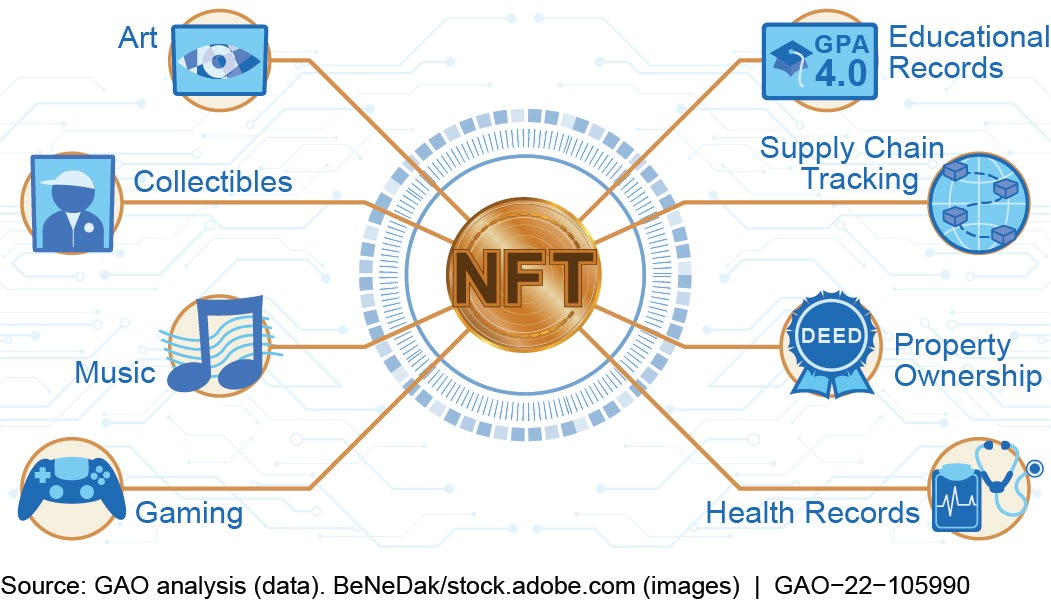
The U.S. Government Accountability Office (GAO) has also highlighted the rapid evolution of tokenized assets and their integration into broader financial ecosystems [2]. Their analysis underscores the need for robust tracking mechanisms as these tokens gain mainstream traction.
For creators and investors looking to engage with this market, having the right tools is critical. Below are recommended hardware wallets and tracking devices that support secure storage and real-time monitoring of social token portfolios.



As an Amazon Associate, we may earn from qualifying purchases.
As the market matures, the distinction between traditional financial analysis and social sentiment tracking will blur. Staying informed through reliable data sources and using the right analytical tools will be key to navigating this evolving landscape.
The Infrastructure Behind Creator Tokens
Launching a creator token no longer requires a team of Solidity engineers or a deep understanding of gas optimization. The technical backbone of the ecosystem has shifted toward no-code launchpads and infrastructure providers that abstract away the complexity of smart contract deployment. These platforms allow creators to issue, manage, and distribute tokens while maintaining compliance and security standards that were previously inaccessible to non-technical users.
For creators, this infrastructure acts as the bridge between traditional audience engagement and on-chain utility. Instead of building custom wallets or managing private keys for every fan, creators can leverage established platforms that handle the heavy lifting. This democratization of token issuance has lowered the barrier to entry, allowing musicians, artists, and influencers to experiment with tokenized commerce without the risk of deploying flawed code.

The choice of launchpad often dictates the token’s initial liquidity and community reach. Platforms like Galxe or Layer3 provide not just the token issuance tools but also the distribution networks necessary for early adoption. These ecosystems integrate with existing social graphs, enabling creators to reward early supporters with airdrops or exclusive access, effectively turning passive followers into active stakeholders.
| Platform | Key Feature | Supported Chains | Best For |
|---|---|---|---|
| Galxe | Quest-based distribution | Multi-chain | Community building |
| Layer3 | Gamified engagement | Ethereum, Polygon | User acquisition |
| Manifold | NFT & Token issuance | Ethereum | Digital art creators |
When evaluating these tools, creators should prioritize platforms that offer robust analytics and seamless wallet integration. The goal is to minimize friction for the end-user while maximizing the utility of the token. As the Creator Tokens analysis evolves, we are seeing a trend toward platforms that combine issuance with sophisticated governance tools, allowing token holders to vote on content direction or revenue sharing models.
For creators looking to build their own infrastructure or integrate these tools into existing workflows, having the right technical stack is essential. While most launchpads handle the core tokenomics, advanced users may need additional tools for analytics, security auditing, and community management. The following resources can help you assemble the necessary toolkit for a successful launch.
Tools for Community and Revenue Management
The infrastructure behind creator tokens has matured from simple payment rails into comprehensive ecosystems. Creators now rely on specialized software to manage exclusive content gates, integrate direct commerce, and facilitate on-chain governance. These tools bridge the gap between social influence and tangible asset ownership, allowing fans to participate in a creator’s economic life rather than just consuming their content.
For instance, platforms like BitClout (now DeSo) and Friend.tech provide the foundational layers for issuing and trading social tokens, while integrations with Shopify or specialized NFT marketplaces handle the actual delivery of physical or digital goods. Governance tools, often built on Snapshot or similar off-chain voting protocols, allow token holders to vote on creative directions or community initiatives, effectively turning a fanbase into a decentralized autonomous organization (DAO).
To secure these assets and deepen your understanding of the underlying economics, consider equipping your workspace with reliable hardware and reference materials. The following tools and resources can help you manage creator token portfolios more effectively.


As an Amazon Associate, we may earn from qualifying purchases.
When analyzing creator tokens, it is essential to look beyond the hype and evaluate the utility of these tools. Do they actually drive revenue? Do they foster genuine community engagement? The answer often lies in how seamlessly these integrations work. A fragmented experience where fans must jump between multiple wallets and platforms will likely fail to retain users. Conversely, a unified ecosystem that offers clear value—whether through exclusive access, governance power, or tangible rewards—can create a sticky, loyal following.
Sustainable Growth in Creator Tokens
Building a viable creator token requires shifting focus from short-term speculation to long-term utility. Many projects fail because they treat tokens as mere fundraising tools rather than mechanisms for ongoing engagement. To avoid this pitfall, you must design tokenomics that reward consistent participation, such as staking for exclusive content or using tokens for governance votes within your community.
Token supply management is critical for maintaining value. A fixed supply can create scarcity, but it may also limit liquidity as demand grows. Conversely, inflationary models need careful calibration to prevent devaluation. Analyze token flow to understand how assets move between holders; this data reveals whether tokens are being accumulated for long-term holding or rapidly sold off for profit.
Invest in tools that support this infrastructure. Reliable analytics platforms help you monitor holder distribution and transaction volumes, providing the transparency needed to build trust. Without clear data, it is difficult to distinguish between organic growth and artificial hype. Sustainable growth comes from delivering real value, not just marketing.


As an Amazon Associate, we may earn from qualifying purchases.
Frequently asked questions about creator tokens
Creator tokens analysis often reveals a gap between technical definitions and practical utility. Fans and creators alike ask how these assets function beyond simple speculation. Below, we address the most common queries regarding token utility, valuation, and technical metrics.
How do creator tokens differ from traditional NFTs?
While both are digital assets, creator tokens function more like equity or loyalty points than collectibles. As Coinbase notes, social tokens allow creators to monetize content and build a Web3 ecosystem independent of platform algorithms. NFTs typically represent ownership of a specific item, whereas creator tokens represent ongoing access to the creator’s community and future output.
How many pages are 10,000 tokens?
This question highlights a common confusion between NLP tokenization and cryptocurrency units. In natural language processing, 10,000 tokens roughly equals 7,500 words, or about 15-30 pages of standard text. In the context of creator coins, "10,000 tokens" refers to a quantity of the digital asset itself, not a measure of text. Always check the specific contract or platform documentation to understand if "token" refers to the currency or a data unit.
What determines the value of a creator token?
Valuation is driven by community engagement and utility rather than intrinsic cash flow. Medium’s Web3 analysis suggests that value stems from the creator’s ability to offer exclusive perks, revenue sharing, or governance rights. Unlike stocks, there is no standard P/E ratio; instead, price action reflects fan sentiment and the creator’s active participation in the ecosystem.
Are creator tokens a good investment?
Creator tokens are high-risk speculative assets. Their value can fluctuate wildly based on the creator’s public reputation and activity levels. While they offer a unique way to support artists directly, they lack the regulatory protections of traditional securities. Conduct thorough due diligence on the creator’s track record and the token’s utility before allocating capital.
No comments yet. Be the first to share your thoughts!