What defines a creator token
A creator token is a cryptocurrency tied directly to a specific person’s brand equity. Unlike utility tokens that unlock software features or meme coins driven by community humor, these assets function as liquid proxies for a creator’s influence. They are typically issued as ERC-20 or SPL tokens, meaning they follow standard blockchain protocols for fungibility and transferability.
This structure creates a direct feedback loop between the creator’s public activity and the token’s market value. When a creator announces a new project, signs a deal, or faces a scandal, the token price reacts instantly. Holders are essentially betting on the continued relevance and reputation of the individual behind the wallet address.
This reliance on personal brand makes creator tokens distinct from traditional securities or standard utility coins. There is no underlying product roadmap or corporate governance to fall back on; the entire value proposition rests on the creator’s ability to maintain engagement and trust within their community.
Choosing Your Launch Infrastructure
Launching a creator token requires selecting the right technical stack, which fundamentally shapes your costs, complexity, and liquidity options. The market currently splits into two distinct approaches: no-code token generators on Solana and integrated creator platforms on Base. Understanding the trade-offs between these ecosystems is essential for managing risk and operational overhead.
Solana: No-Code Generators
Solana offers high-speed, low-cost transactions that appeal to creators seeking rapid deployment. Platforms like Orion and Smithii provide no-code interfaces that allow you to mint SPL tokens in minutes without writing smart contracts. Orion Tools, for example, integrates directly with Raydium V3 to handle liquidity pool creation, streamlining the process for those who want immediate market access [src-serp-1]. Smithii offers a multichain alternative with similarly low fees, focusing on simplicity and speed [src-serp-7].
While these tools reduce technical barriers, they also mean you are relying on third-party interfaces for core financial infrastructure. The complexity is low, but so is the built-in audience. You must drive your own liquidity and marketing, as these generators do not provide a social layer or built-in community of buyers.
Base: Integrated Creator Platforms
On Base, the approach is more holistic. Zora, in partnership with Coinbase, offers "Creator Coins" that are ERC-20 tokens linked directly to your Base app profile [src-serp-4]. This integration means the token is not just a financial instrument but part of your digital identity. The platform handles the technical minting and provides a native marketplace where your existing followers can trade your token.
The trade-off is slightly higher complexity in terms of account setup and potential fees, but the upside is immediate access to a curated audience. The liquidity is platform-mediated, which can reduce the friction of finding initial buyers compared to the open, but cold, markets on Solana.
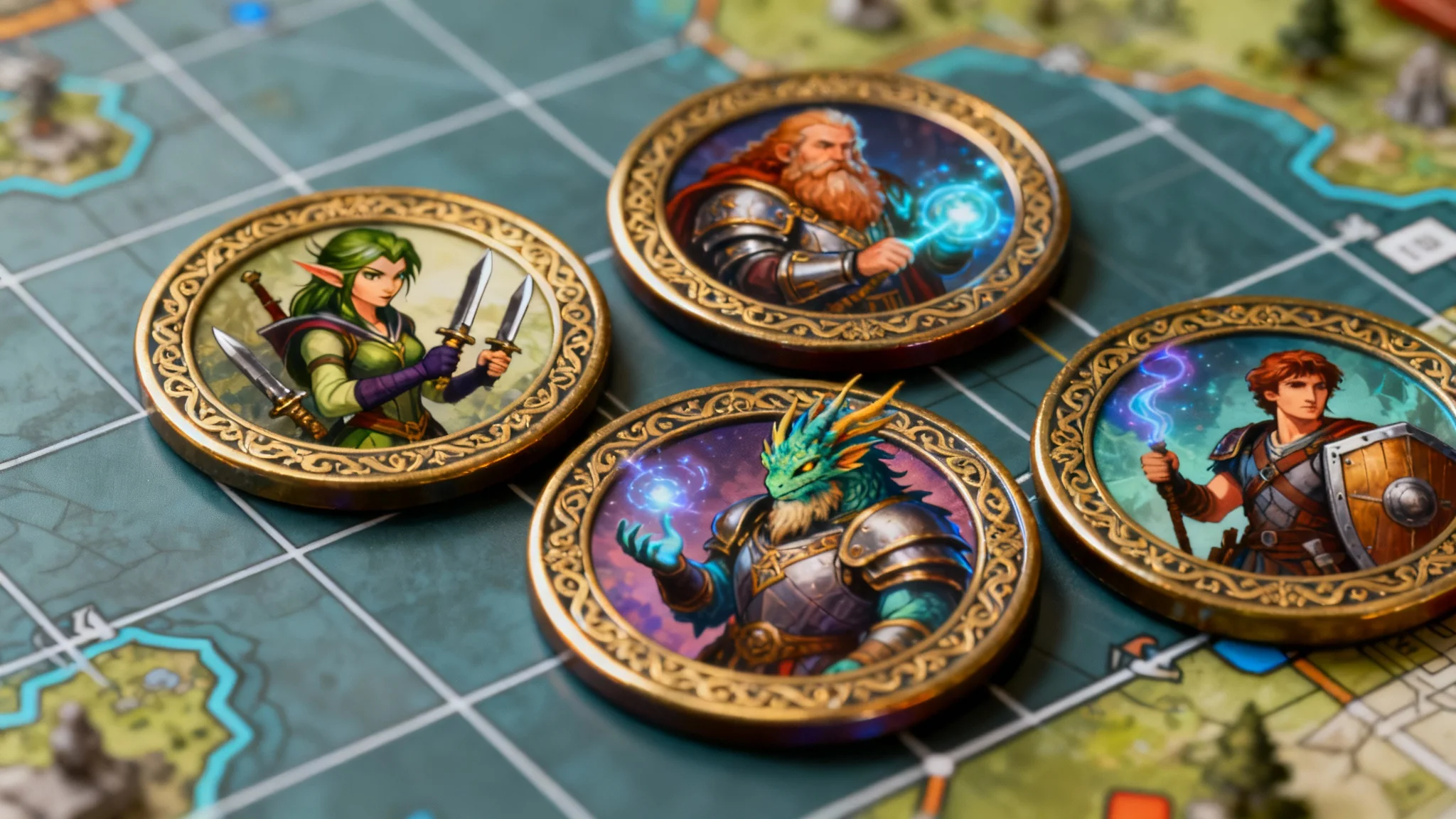
Comparison of Launch Tools
The following table compares the primary infrastructure options for launching creator tokens, highlighting the differences in cost, technical complexity, and liquidity strategy.
| Feature | Solana (Orion/Smithii) | Base (Zora/Coinbase) |
|---|---|---|
| Primary Mechanism | No-code token generator | Integrated creator profile |
| Technical Skill Required | None | Minimal (account setup) |
| Liquidity Source | Open market (Raydium) | Platform-native marketplace |
| Audience Access | Self-driven | Built-in follower base |
| Typical Cost | Very low | Low |
Checklist for Launch Preparation
Before deploying your token, ensure you have addressed the following critical steps to mitigate common risks:
-
Wallet Security: Verify your wallet setup and backup seed phrases securely before connecting to any generator.
-
Tokenomics Definition: Clearly define total supply, minting limits, and distribution strategy to avoid community backlash.
-
Liquidity Strategy: Decide if you will provide initial liquidity (Solana) or rely on platform mechanics (Base).
-
Compliance Review: Ensure your token structure complies with local regulations, especially regarding profit-sharing or equity-like features.
-
Marketing Plan: Prepare a launch campaign to drive initial trading volume and community engagement.
Analyzing creator token viability
Assessing a creator token requires looking past the influencer's follower count. Price action in this sector is often driven by narrative velocity rather than fundamental utility. To separate viable projects from speculative noise, you need a framework that weighs community engagement, liquidity depth, and the correlation between content output and market performance.
Community engagement metrics
A large following does not guarantee a healthy token economy. Look for active, organic interaction rather than bot-driven hype. High engagement rates on social platforms often correlate with stronger holding patterns, reducing sell pressure during market dips. Tools like social sentiment analyzers can help quantify this, but manual verification of comment quality remains essential.
Liquidity depth and slippage
Liquidity is the lifeblood of any token, but it is especially critical for creator coins with volatile trading volumes. Shallow order books lead to high slippage, meaning even small trades can move the price significantly. Check the depth of the top order books on decentralized exchanges. If the liquidity pool is small relative to the market cap, the token is likely too risky for sustained investment.
Correlation between output and price
There should be a discernible link between the creator's activity and the token's valuation. Significant price spikes often follow major announcements or content releases, while silence can lead to gradual decay. Tracking this correlation helps identify whether the token is driven by genuine interest or pure speculation. A healthy token shows resilience even when the creator is quiet, indicating a community invested in the project itself.
The Regulatory and Market Risks of Creator Tokens
While creator tokens offer a novel way for digital personalities to monetize their influence, they carry significant risks that investors often overlook. Unlike established cryptocurrencies with clear utility or decentralized networks, many creator tokens operate in a legal gray area. The most pressing concern is regulatory scrutiny. The U.S. Securities and Exchange Commission (SEC) has increasingly targeted unregistered securities offerings, and creator tokens can easily fall under this definition if they are marketed as investment contracts with an expectation of profit derived from the efforts of others. Before investing, it is essential to verify whether a token complies with securities laws in your jurisdiction.
Beyond legal uncertainties, the market mechanics of creator tokens are prone to extreme volatility. These assets are heavily influenced by the creator’s public image and social media presence, making them susceptible to "pump-and-dump" dynamics. A sudden viral moment can spike the price, but so can a minor controversy or loss of audience interest. Unlike traditional stocks, there is rarely intrinsic value backing these tokens; their worth is almost entirely speculative, driven by hype rather than fundamental economic indicators. This lack of underlying value means prices can crash rapidly, leaving late investors with substantial losses.
To navigate these risks, investors should treat creator tokens as high-risk speculative assets rather than stable investments. Conduct thorough due diligence by examining the token’s utility, the creator’s long-term commitment, and any regulatory disclosures. Avoid investing more than you can afford to lose, and be wary of tokens that promise guaranteed returns or rely solely on the creator’s charisma for value.
Essential tools for creator token research
Tracking a creator token requires looking beyond the hype. You need to monitor on-chain activity, social sentiment, and exchange listings to understand the real health of the project. Using the right data sources helps you separate genuine community engagement from artificial volume.
On-chain analytics and social sentiment
Platforms like DexScreener and Birdeye provide real-time data on liquidity pools and trading volume. These tools show you who is buying and selling, which is critical for identifying wash trading or sudden whale movements. For social sentiment, tools like LunarCrush track mentions and engagement across social media, helping you gauge whether the community is growing organically or fading.

Exchange listings and price tracking
The choice of exchange significantly impacts a token's liquidity and visibility. Major centralized exchanges like Coinbase or Binance offer higher trust but stricter listing requirements, while decentralized exchanges (DEXs) like Raydium or Uniswap allow for earlier, riskier entry. Always verify the contract address on official sources like the project's website or verified social channels to avoid scams.
Research and security tools
Before investing, check the token's contract on block explorers like Etherscan or Solscan. Look for verified contracts and audit reports from firms like CertiK or OpenZeppelin. These audits reveal potential vulnerabilities in the code that could lead to exploits. Additionally, use portfolio trackers like DeBank to monitor your holdings across different wallets and chains.


As an Amazon Associate, we may earn from qualifying purchases.
Frequently asked questions about creator tokens
What exactly is a creator token? A creator token is a cryptocurrency or NFT linked to a specific creator’s brand or profile. Unlike generic meme coins, these tokens often grant holders access to exclusive content, community perks, or direct monetization opportunities for the creator.
Are creator tokens a viable investment? They are high-risk speculative assets. While some creators build sustainable communities, most tokens lack intrinsic value and can suffer extreme volatility. Treat them as experimental engagement tools rather than reliable income sources.
How do I create a creator token? Most platforms allow you to mint tokens directly through your profile settings. For example, Coinbase Base uses Zora for ERC-20 creator coins, while Solana creators often use tools like Orion or Raydium to launch SPL tokens with liquidity pools.
Do creator tokens have real-world utility? Utility varies by platform. Some tokens act as "keys" to gated Discord channels or physical meetups, while others are purely speculative. Always check the specific platform’s documentation to understand what rights the token confers.
How many pages are 10,000 tokens? This question is a common search error unrelated to crypto. Token counts have no physical volume or page count. If you meant to ask about document translation, use a dedicated token-to-page converter tool.**
No comments yet. Be the first to share your thoughts!