The shift from hype to utility
The creator economy is undergoing a fundamental transformation. What began as a speculative wave of meme coins and novelty projects has matured into a structured infrastructure for sustainable monetization. The market is no longer driven by fleeting attention spans but by tangible utility and sustained community engagement.
Early adopters focused on branding and hype, often launching tokens with little functional backing. Today, the landscape favors tokens that serve as access keys, governance instruments, or loyalty mechanisms. This shift aligns with broader crypto trends where utility outweighs speculation, creating more resilient revenue streams for creators.
As noted by industry analysts, the value proposition of social tokens is redefining how creators monetize their influence. Instead of one-time transactions, tokens enable ongoing relationships. This evolution marks the transition from a novelty asset class to a serious component of digital compensation and community building.
Channel revenue tokens: aligning incentives with payouts
Channel revenue tokens represent the most financially robust model in the current creator economy framework. Unlike speculative assets that rely solely on market sentiment, these tokens are directly tied to the creator’s actual earnings. Holders receive a percentage of the creator’s revenue, creating a direct feedback loop between the creator’s success and the token’s value. This mechanism transforms passive support into active financial participation, grounding the asset in tangible cash flow rather than hype.
The structural advantage here is alignment. In traditional ad-revenue models, platforms capture the majority of value, and creators often wait months for payouts with opaque accounting. Channel revenue tokens democratize this process. By distributing a share of revenue to token holders, creators incentivize their community to promote their work, effectively turning fans into a distributed sales force. This model is particularly effective for creators with recurring revenue streams, such as subscription services or consistent content output.
To understand the difference, consider how value accrues in both systems. Traditional models rely on third-party intermediaries, introducing friction and delay. Tokenized revenue channels remove the middleman, allowing for near-instant settlement and transparent ledger-based tracking. This transparency builds trust, a critical component for sustaining long-term holder engagement.
Traditional vs. Tokenized Revenue Models
The shift from centralized to decentralized revenue sharing alters the fundamental economics of creator-fan relationships. The table below highlights the operational differences.
| Metric | Traditional Ad Revenue | Channel Revenue Tokens |
|---|---|---|
| Payout Speed | Monthly/Quarterly | Real-time/Near-instant |
| Transparency | Opaque, platform-dependent | On-chain, publicly verifiable |
| Holder Incentive | None (passive viewer) | Direct financial stake in growth |
| Revenue Share | Platform retains majority |
This model requires creators to be disciplined about revenue generation, but the upside is significant. As noted in industry analyses, the creator economy is projected to reach substantial valuations, with tokenized channels offering a scalable way to capture that value. By linking token value to revenue, creators create a self-sustaining ecosystem where community growth directly translates to financial reward for all participants.
AI agents and automated engagement
The integration of AI agents into token ecosystems is shifting creator operations from passive holding to active automation. By leveraging AI, creators can manage community dynamics, distribute content, and reward loyalty without expanding their operational overhead. This transforms the token from a static asset into a self-sustaining engine for audience retention.
AI agents now handle the repetitive tasks that traditionally consume a creator’s time. They can moderate discussions, answer fan questions, and trigger loyalty rewards based on on-chain activity. This automation ensures that engagement remains consistent even when the creator is offline, maintaining the momentum of the community.
However, this shift requires careful calibration. Over-automation can strip the human element that makes creator tokens valuable. A note on risk: ensure human oversight remains for brand safety and community trust. The goal is augmentation, not replacement, allowing creators to focus on high-value content while AI manages the infrastructure.
Onchain identity and reputation
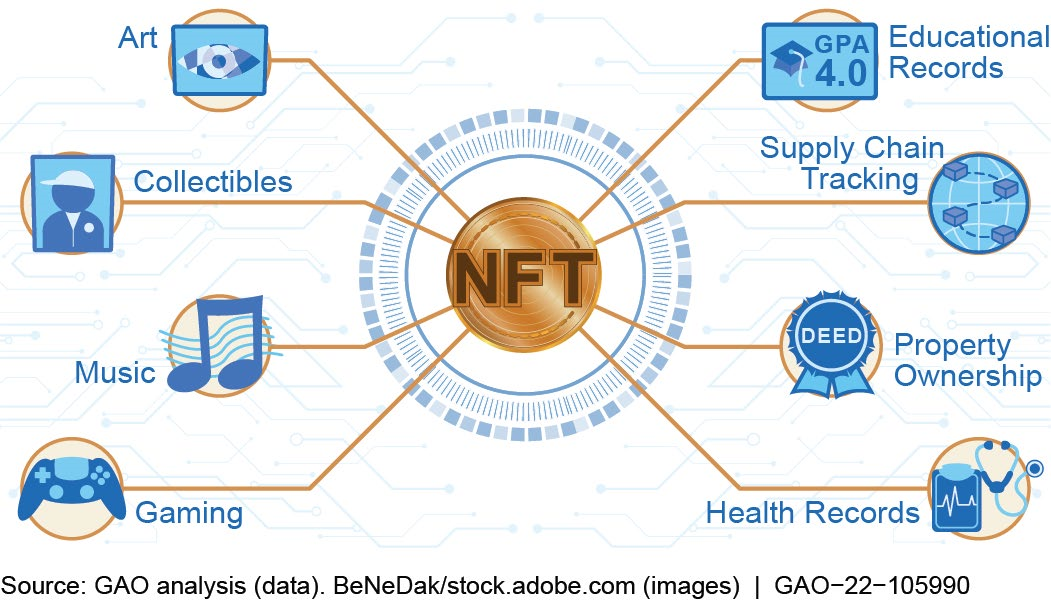
Onchain identity transforms a creator token from a simple speculative asset into a verifiable key for exclusive communities. By leveraging tools like ENS, POAPs, and Soulbound Tokens (SBTs), creators can prove who holds their token and what they have contributed to their ecosystem. This verifiable reputation layer adds utility that pure price action cannot replicate, allowing tokens to function as access credentials for high-value, curated interactions.
The mechanism is straightforward. An SBT is a non-transferable token that stays in a wallet forever, recording achievements, memberships, or milestones. When combined with a transferable creator token, it creates a dual-layer system: the token grants financial upside, while the SBT proves loyalty and engagement. This distinction is critical for sustainable revenue models because it rewards long-term holders rather than quick flippers. As noted in a16z’s guide to token design, structuring rights around these identity layers ensures that governance and access align with genuine community participation rather than mere capital accumulation a16z.
This approach also mitigates the risk of bot-driven inflation. Without identity verification, bad actors can farm tokens to disrupt governance or drain community resources. Onchain identity filters out these actors by tying reputation to persistent, verified wallets. Coinbase highlights that social tokens redefine value by connecting directly to the creator’s audience, but this connection is only strong if the audience is real Coinbase. Verifiable identity ensures that the "social" in social token remains human-centric, protecting the integrity of the creator’s revenue streams and community trust.
The Infrastructure and Tooling Landscape
The barrier to deploying a creator token has effectively collapsed. Platforms like Quicknode now offer pre-built smart contract templates that allow creators to launch on-chain assets without writing a single line of code. This democratization of issuance means that ease of deployment is no longer the bottleneck; it is the baseline expectation.
With creation costs approaching zero, the real challenge shifts to what happens immediately after launch: liquidity. A token without depth is merely a digital placeholder. This is where professional market-making infrastructure becomes critical. Market makers provide the necessary liquidity on both decentralized and centralized exchanges, ensuring that trades execute without massive slippage. Without this structural support, even the most popular creator faces a fragmented trading experience that erodes trust.
The current market reality is that liquidity is the primary determinant of a token's longevity. Tools that streamline issuance are abundant, but the platforms that facilitate sustainable market depth are scarce. Creators must treat liquidity not as an afterthought, but as the core component of their strategy.
No comments yet. Be the first to share your thoughts!