Creator Tokens Analysis
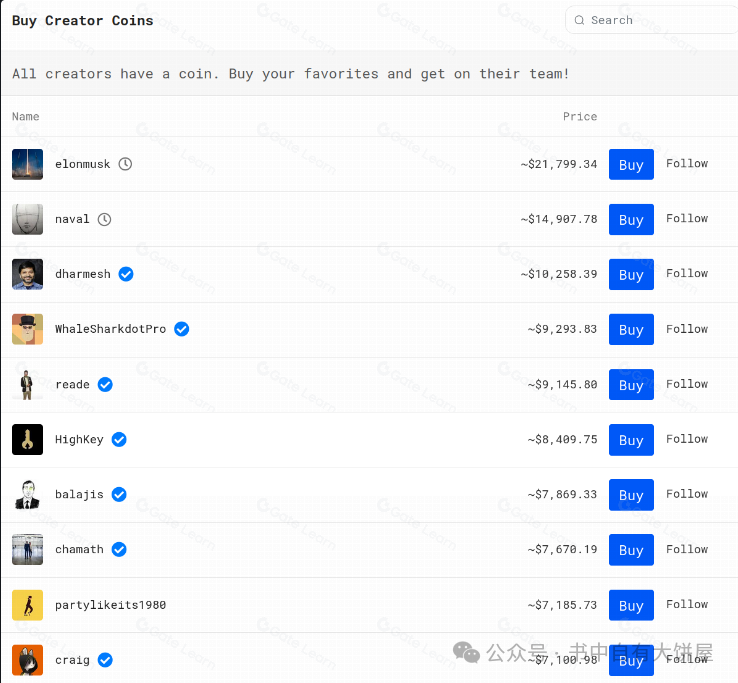
The creator token market has moved past the initial hype cycle into a phase of structural refinement. Early experiments often relied on speculative trading to drive volume, but current infrastructure shifts are prioritizing sustainable utility and clearer monetization paths. For creators and investors, the focus is now on distinguishing between tokens that offer genuine community access and those that function primarily as governance mechanisms.
Two distinct models dominate the landscape. Creator tokens are linked to an individual, granting fans access to exclusive content or direct interaction. Community tokens, by contrast, are used for decentralized governance of a broader group or brand. Understanding this difference is essential for evaluating long-term value, as the incentives and risks vary significantly between personal brands and collective entities.
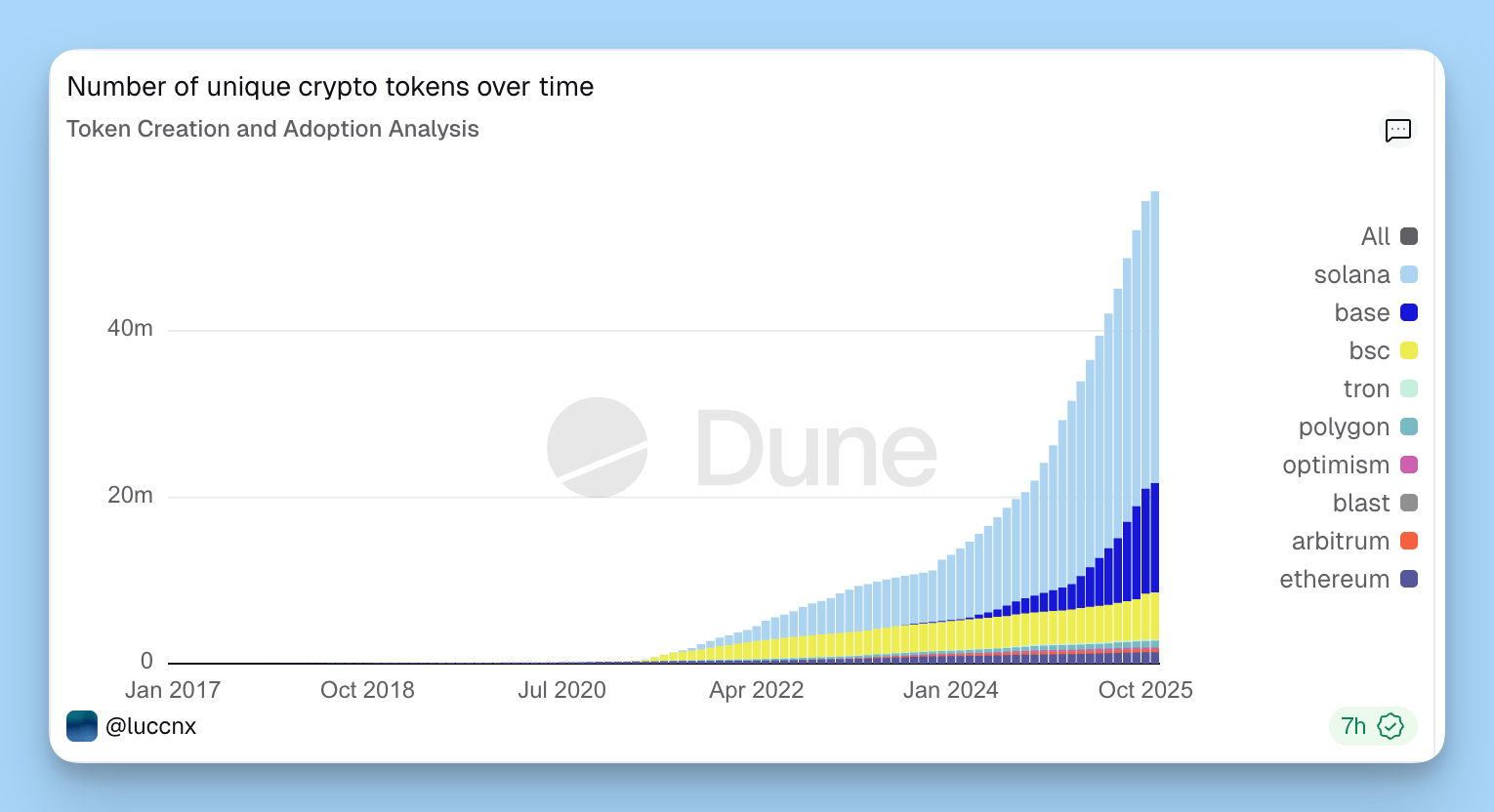
The infrastructure supporting these tokens is also evolving. Platforms are integrating rollups and specialized chains to reduce transaction costs and improve scalability. This technical shift allows for more frequent, low-friction interactions, which can enhance engagement without eroding token value through excessive fees. As the ecosystem matures, the ability to seamlessly integrate these tokens into existing content workflows will likely determine which projects survive the next cycle.
Creator tokens analysis choices that change the plan
Evaluating a creator token requires looking past the hype cycle to the underlying mechanics of value retention and liquidity. The infrastructure shifts in 2026 have moved the focus from pure speculation toward sustainable utility, but risks remain significant for both creators and holders. Understanding these tradeoffs is essential before allocating capital to any social crypto asset.
Liquidity and Volatility Risks
Creator tokens often suffer from low liquidity compared to established cryptocurrencies. This can lead to extreme price swings where small trades drastically alter the market price. While high volatility attracts speculators, it discourages long-term holding by fans who seek stable community engagement. Creators must balance the need for immediate capital raises with the long-term health of their token’s ecosystem.
Utility vs. Speculation
The core tension in creator tokens lies between utility and speculation. Tokens that offer exclusive content or governance rights tend to have more stable floors, while those relying solely on brand association often crash when the creator’s attention shifts. Successful projects integrate tokens into a broader product suite, ensuring value persists even if secondary trading volume declines.
Regulatory Compliance Costs
As regulations tighten globally, the cost of maintaining compliance for creator tokens has increased. Projects must navigate securities laws, anti-money laundering protocols, and jurisdictional restrictions. These overheads reduce net revenue for creators and may limit the global reach of their fan bases. Ignoring compliance can lead to delisting from major exchanges or legal action, effectively destroying the token’s value.
Comparison of Token Models
The table below highlights the key tradeoffs between different creator token structures. Each model presents distinct advantages and disadvantages depending on the creator’s goals and audience size.
| Model | Primary Value Driver | Risk Level | Best For |
|---|---|---|---|
| Utility-First | Access to exclusive content/services | Medium | Established creators with existing products |
| Speculative Brand | Community hype and brand association | High | Viral creators with large, transient audiences |
| Governance DAO | Voting rights and community direction | Medium | Niche communities with strong alignment |
| Revenue Share | Direct percentage of creator earnings | High | High-income creators with transparent revenue |
Market Context
The broader market for social tokens is influenced by macroeconomic trends and crypto adoption rates. Current market conditions favor tokens with clear utility over pure meme-based assets. Investors should monitor overall crypto market health, as creator tokens often correlate with Bitcoin and Ethereum trends but with higher beta.
Choose the next step
Selecting a creator token strategy requires matching your audience size and content format to the right infrastructure. The market has shifted from generic social tokens to specialized rollups and platform-native tools. Use this framework to decide whether to build a standalone token, integrate with an existing ecosystem, or focus on direct monetization.
Best for creators with 100k+ followers who want full control over tokenomics and community governance. This approach requires technical setup for liquidity pools and smart contract deployment. It offers the highest upside but carries the most regulatory and operational risk.
Ideal for mid-tier creators seeking lower transaction fees and faster settlement. Platforms like Rollup aggregate liquidity and reduce gas costs, making micro-transactions viable. This path balances technical simplicity with the benefits of decentralized ownership.
Suitable for creators already active on Web3 social platforms like Farcaster or Lens. These tools offer built-in distribution and wallet integration, removing the need for separate marketing funnels. It is the lowest-friction entry point but limits cross-platform portability.
Recommended for creators prioritizing stable recurring revenue over speculative trading. This model bypasses token volatility entirely, focusing on access to exclusive content or community channels. It aligns with traditional creator economy metrics while leveraging blockchain for secure payments.


As an Amazon Associate, we may earn from qualifying purchases.
Your choice depends on whether you prioritize control, ease of use, or revenue stability. Evaluate your technical comfort level and audience engagement depth before committing to a specific infrastructure.
Avoid the weak options
Use this section to make the Creator Tokens Analysis decision easier to compare in real life, not just on paper. Start with the reader's actual constraint, then separate must-have requirements from details that are merely nice to have. A practical choice should survive normal use, maintenance, timing, and budget. If a recommendation only works in an ideal situation, call that out plainly and give the reader a fallback path.
The simplest way to use this section is to write down the must-have criteria first, then compare each option against those criteria before weighing nice-to-have features.
Creator Token FAQs
Are creator tokens a safe investment? Creator tokens carry high risk. Their value is often tied to speculative trading volume rather than sustainable utility. Research indicates these assets exhibit "stylized facts" similar to volatile emerging cryptocurrencies, meaning prices can swing dramatically based on sentiment rather than fundamental growth. Treat them as high-risk speculative positions, not stable income streams.
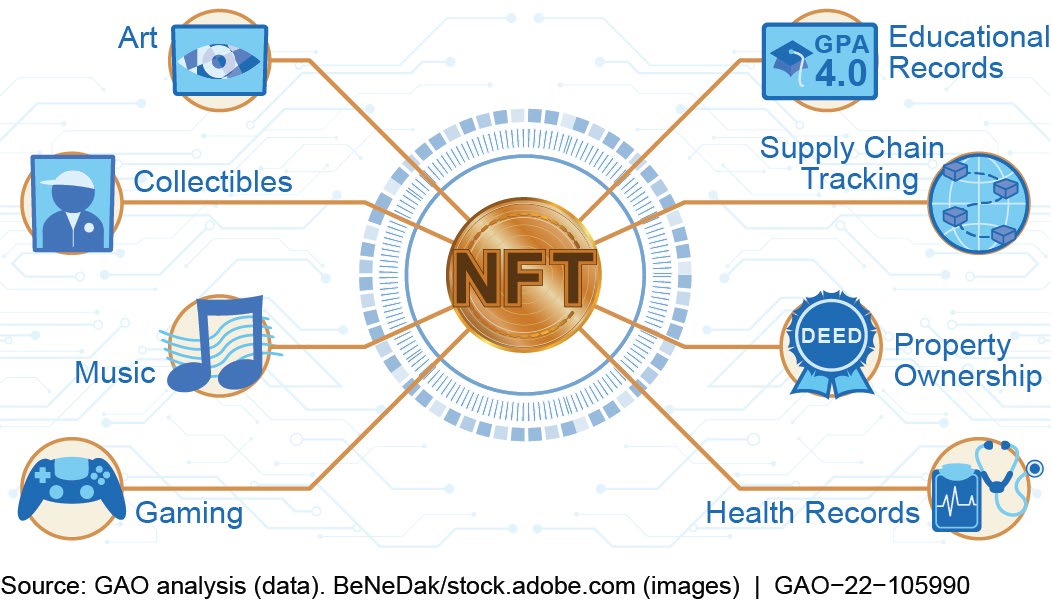
What is the difference between a creator token and an NFT? NFTs typically represent ownership of a unique digital item or collectible. Creator tokens function more like a community currency or equity share. Holding a creator token often grants access to exclusive content, governance rights, or a share of revenue, creating a continuous economic relationship rather than a one-time transaction.
How do creator tokens generate revenue for creators? Revenue comes from two main sources: initial token sales and ongoing transaction fees. When fans buy or trade the token on supported platforms, the creator usually receives a small percentage of each trade. This model aligns creator incentives with community growth, but it also means revenue fluctuates directly with market speculation and trading volume.
Can I use creator tokens for decentralized governance? Some creator tokens are designed as community tokens that grant voting rights. Holders may vote on future content directions, charity donations, or platform features. However, this governance power is often limited to the specific creator’s ecosystem and rarely extends to broader blockchain protocol decisions.
What should I check before buying a creator token? Look at the token’s distribution and liquidity. Check if the creator holds a large percentage of the supply, which could lead to sudden price drops if they sell. Also, review the platform’s fee structure and whether the token has real utility beyond speculation. Without clear use cases, the token’s value may collapse once initial hype fades.
No comments yet. Be the first to share your thoughts!