The rise of creator capital markets
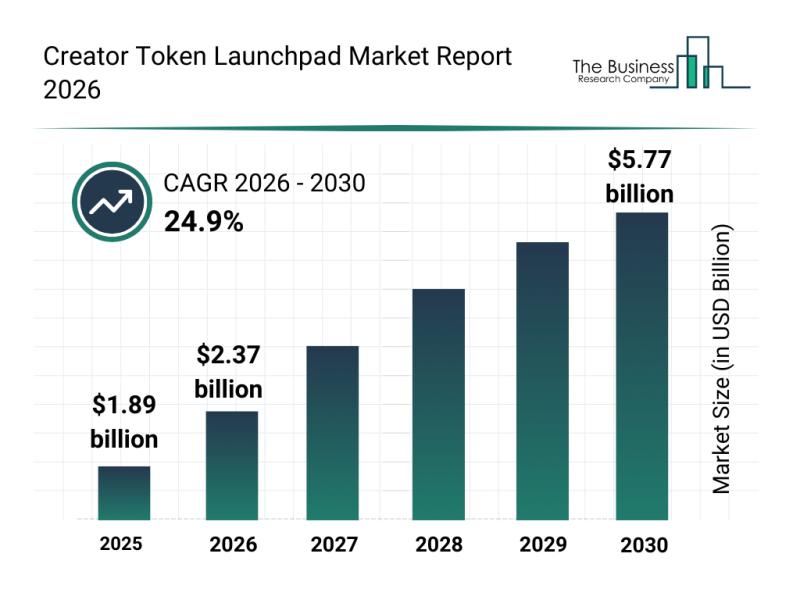
The landscape of digital monetization has shifted from simple fan engagement to complex financialized attention economies. Creators are no longer just building audiences; they are launching asset classes. This transition is evident in the rapid maturation of platforms like Pump.fun and the explosive growth of streamer tokens, which now regularly command market caps in the tens of millions.
What began as experimental community experiments has evolved into a structured market where attention is quantified, traded, and leveraged. The correlation between token issuance and creator engagement has become a measurable metric, signaling a new era of creator capital markets. Investors are no longer just buying merch; they are buying into the future revenue streams of digital personalities.
This financialization brings both opportunity and risk. The volatility inherent in these assets mirrors broader crypto trends but is amplified by the unpredictable nature of human attention. Understanding this shift is essential for anyone navigating the intersection of social media and decentralized finance.
Infrastructure shifts in token issuance
The barrier to launching a creator token has collapsed. Five years ago, issuing a token required writing custom Solidity code, deploying it to a blockchain, and manually configuring liquidity pools—a process that took weeks and cost thousands in gas fees. Today, the infrastructure is standardized, automated, and accessible to anyone with a social media account.
This shift is driven by two main developments: platform-native issuance tools and automated market maker (AMM) bonding curves. Platforms like Pump.fun have democratized the process by allowing creators to launch tokens instantly for a few dollars, using a bonding curve that automatically handles initial liquidity. As noted in market analysis, this model has led to a sharp rise in creator engagement, with some streamer tokens reaching market caps in the tens of millions shortly after launch [1].
Traditional exchanges are also adapting. Some now offer proprietary AMM tools exclusively to token issuers, streamlining the path from creation to tradeable asset [2]. This moves the complexity away from the creator and into the platform, lowering the technical barrier to entry while centralizing the underlying infrastructure.
| Feature | Traditional Issuance | Modern Platform-Native |
|---|---|---|
| Cost | High ($1,000+ gas/audit) | Low ($1–$5) |
| Speed | Weeks | Seconds |
| Liquidity | Manual setup required | Automated via bonding curve |
| Technical Skill | Advanced (Smart Contracts) | Basic (Social Media Account) |
The trade-off is clear. You gain speed and accessibility, but you often sacrifice control over the token’s economic parameters. The platform dictates the rules of the bonding curve and the migration path to a decentralized exchange. For creators, this means the focus shifts from technical execution to community building, as the infrastructure now handles the heavy lifting.
How tokens actually make money beyond speculation
If you treat creator tokens purely as speculative assets, you are ignoring the infrastructure that keeps them liquid. The real value proposition lies in functional utility: access, commerce, and staking yields. These mechanisms transform a token from a simple speculative vehicle into a working component of a creator’s business model.
Research into consumer perceptions shows that holders prioritize tangible benefits over abstract community sentiment. When tokens are designed with clear utility, they reduce the friction between support and reward. This shifts the dynamic from "buying in" to "buying a service."
Access and exclusive content
The most straightforward utility is gated access. Token holders use their assets as keys to unlock exclusive content, early releases, or private community channels. This creates a recurring value loop where the token’s utility is directly tied to the creator’s output.
For example, a musician might require tokens to access stem files for remixing or to join a dedicated Discord server for listening parties. This model ensures that only engaged fans hold the asset, reducing the sell pressure from casual speculators. The token becomes a subscription mechanism, but with the added benefit of secondary market liquidity.
Direct commerce and micro-transactions
Tokens also facilitate direct commerce, allowing fans to purchase goods, services, or digital experiences without traditional payment processor fees. This is particularly effective for micro-transactions, such as tipping, voting on setlists, or unlocking bonus tracks.
By embedding commerce directly into the token’s utility, creators can capture more value from their most loyal fans. The token acts as a medium of exchange within the creator’s ecosystem, fostering a circular economy that keeps capital flowing within the community rather than leaking out to third-party platforms.
Staking yields and inflation dynamics
Staking offers a different kind of utility: earning yield by locking up tokens. This mechanism encourages long-term holding and reduces circulating supply, which can stabilize the token’s price. However, the source of these yields matters significantly to consumers.
Research indicates that holders are sensitive to how yields are generated. Yields derived from genuine revenue sharing or protocol fees are viewed more favorably than those generated by inflationary token printing. When the yield comes from real economic activity, it aligns the creator’s success with the token’s value, creating a more sustainable financial model.
How creators and investors plan around the creator tokens market
Launching a creator token is less about technical deployment and more about structural integrity. The market for digital assets remains nascent, with value heavily dependent on community alignment and transparent utility rather than speculative hype. For creators, the goal is to build a sustainable economic loop. For investors, the challenge is distinguishing between genuine community engagement and artificial volume.
Step 1: Define token utility and legal compliance
Before writing a single line of code, you must determine what the token actually does. Is it a membership pass, a revenue share mechanism, or a governance tool? Vague utility leads to vague demand. Simultaneously, legal compliance is non-negotiable. Depending on your jurisdiction and the token’s structure, you may be dealing with securities laws. Consult with legal counsel specializing in digital assets to ensure your tokenomics do not inadvertently create an unregistered security. This foundational step protects both the creator from regulatory action and the investor from buying into a legally fragile asset.
Step 2: Design sustainable tokenomics
Tokenomics is the engine of your project. Avoid infinite supply models that dilute holder value without corresponding utility growth. Instead, consider deflationary mechanisms, staking rewards for long-term holders, or burn functions tied to platform activity. The goal is alignment: when the community wins, the creator wins. Research into digital asset markets suggests that value is derived from the perceived scarcity and the active participation of the user base. Design your supply distribution to reward early supporters while ensuring enough liquidity remains for new entrants.
Step 3: Select a market maker and liquidity provider
Liquidity is the oxygen of any token. Without it, price slippage will deter traders, and volatility will scare away long-term holders. Hiring a professional market maker is often essential for serious projects. They provide the necessary buy and sell orders to maintain a stable order book. However, this is a high-stakes decision. You must vet market makers for transparency and track record. A good market maker stabilizes price; a bad one manipulates it. Ensure your smart contracts are audited and that liquidity is locked to prevent rug pulls, which remain a persistent risk in the creator token space.
Step 4: Launch and engage the community
The launch is not the end; it is the beginning of the relationship. Use the token to unlock exclusive content, voting rights, or real-world experiences. Transparency is critical here. Regular updates on treasury usage and development progress build trust. Investors in creator tokens are often fans first and financial actors second. They need to feel that their participation directly influences the project’s direction. Treat your token holders as stakeholders, not just customers.
Step 5: Evaluate risk and monitor performance
For investors, due diligence extends beyond the whitepaper. Look at the team’s track record, the smart contract’s audit history, and the actual engagement metrics of the community. Are the holders active? Is the liquidity deep enough to support your position size? Use technical analysis to time entries, but rely on fundamental community metrics for long-term conviction. The creator tokens market is volatile; risk management through position sizing and diversification is essential.
No comments yet. Be the first to share your thoughts!