What makes a creator token viable
A creator token is a digital asset issued by an individual—such as an artist, musician, or influencer—to monetize their content and build a Web3 ecosystem. Unlike speculative meme coins that rely on hype, a viable creator token functions as a direct financial link between the creator’s ongoing output and their community’s engagement. The value proposition is straightforward: as the creator’s brand and community grow, the token’s utility and perceived value increase, rewarding both the creator and their supporters.
To distinguish a viable project from a speculative vehicle, you must look at the underlying mechanics. A healthy creator token integrates with a platform that allows the issuer to earn from trading volume, such as the Creator Coins on Base linked to Zora. This structural alignment ensures that the token’s liquidity and demand are tied to active participation in the creator’s ecosystem, not just passive holding.
When analyzing these tokens, focus on the supply mechanics and release schedules. The maximum supply and circulating supply determine scarcity, while the release schedule controls inflation. If a token has no clear utility beyond trading, it is likely a speculative asset. If it offers access to exclusive content, community governance, or revenue sharing, it is a tool for sustainable revenue. The goal is to identify tokens where the creator’s continued success directly benefits the token holder, creating a aligned incentive structure that survives beyond initial hype.
Tracking real-time liquidity and price action
Static snapshots of creator tokens are dangerous. The market moves too fast for a screenshot to hold value. You need to monitor live order books and depth charts to see where the actual money is sitting. When liquidity is thin, a single large sell order can crash the price by double digits in seconds.
Use provider-backed charts to spot these patterns. A live TradingView chart for a major social token like $PAC reveals volatility spikes that static data hides. Watch for sudden volume drops before a price drop; this is often the first sign that liquidity is evaporating.
Don't rely on third-party aggregators that update every few minutes. Check the on-chain data directly through the exchange or a decentralized finance monitor. If you are trading, set up alerts for liquidity pool changes, not just price targets. This helps you exit before the floor falls out.
Evaluating Tokenomics and Supply Mechanics
Tokenomics is the backbone of any creator token, determining whether a coin retains value or bleeds out within months. For high-stakes financial decisions, you must look past the hype and examine the structural mechanics: circulating supply, vesting schedules, and mint/burn protocols. These factors dictate the scarcity and inflationary pressure on your investment.
Circulating Supply vs. Maximum Supply
The difference between circulating supply and maximum supply is where many investors get burned. Circulating supply represents the tokens currently available on the market, while maximum supply is the absolute cap. In creator tokens, a low circulating supply relative to the max cap can create artificial scarcity, but it also means massive amounts of tokens may be unlocked later by the creator or early investors.
Always check the release schedule. If 80% of the supply is locked in vesting contracts that unlock over the next year, the current price does not reflect the true future market cap. You are essentially buying into a future flood of sell pressure.
Vesting Schedules and Unlock Risks
Vesting schedules are designed to align incentives, but they often serve as exit liquidity for early backers. Look for linear vesting versus cliff vesting. Linear vesting releases tokens gradually, providing some stability. Cliff vesting releases a large chunk at once, which can crash the price instantly.
For creator coins linked to platforms like Zora or Base, the creator’s ability to mint new tokens or sell their vested portion directly impacts your holding. If the tokenomics allow the creator to dilute the supply at will, the token functions more like a speculative meme than a utility asset.
Mint and Burn Mechanisms
Dynamic supply mechanisms, such as minting and burning, can either enhance or destroy value. A burn mechanism removes tokens from circulation, theoretically increasing scarcity and price per token. However, in many creator token models, the "burn" is often tied to transaction fees that are negligible compared to the total supply.
Conversely, minting mechanisms allow new tokens to be created. If the minting is unrestricted, the token is inflationary. You need to verify if the minting is capped or if it requires a fee that is burned. Without a hard cap or a deflationary pressure, the token’s value will slowly erode as supply increases.
Comparing Supply Models
Different creator tokens employ varying supply mechanics. Understanding these differences helps you assess the long-term viability of the asset.
| Mechanism | Value Impact | Investor Risk |
|---|---|---|
| Fixed Supply | Predictable scarcity | Low inflation, but limited utility |
| Dynamic Inflation | Price dilution over time | High; requires constant demand growth |
| Deflationary Burn | Increased scarcity per token | Medium; depends on transaction volume |
Essential tools for creator token research
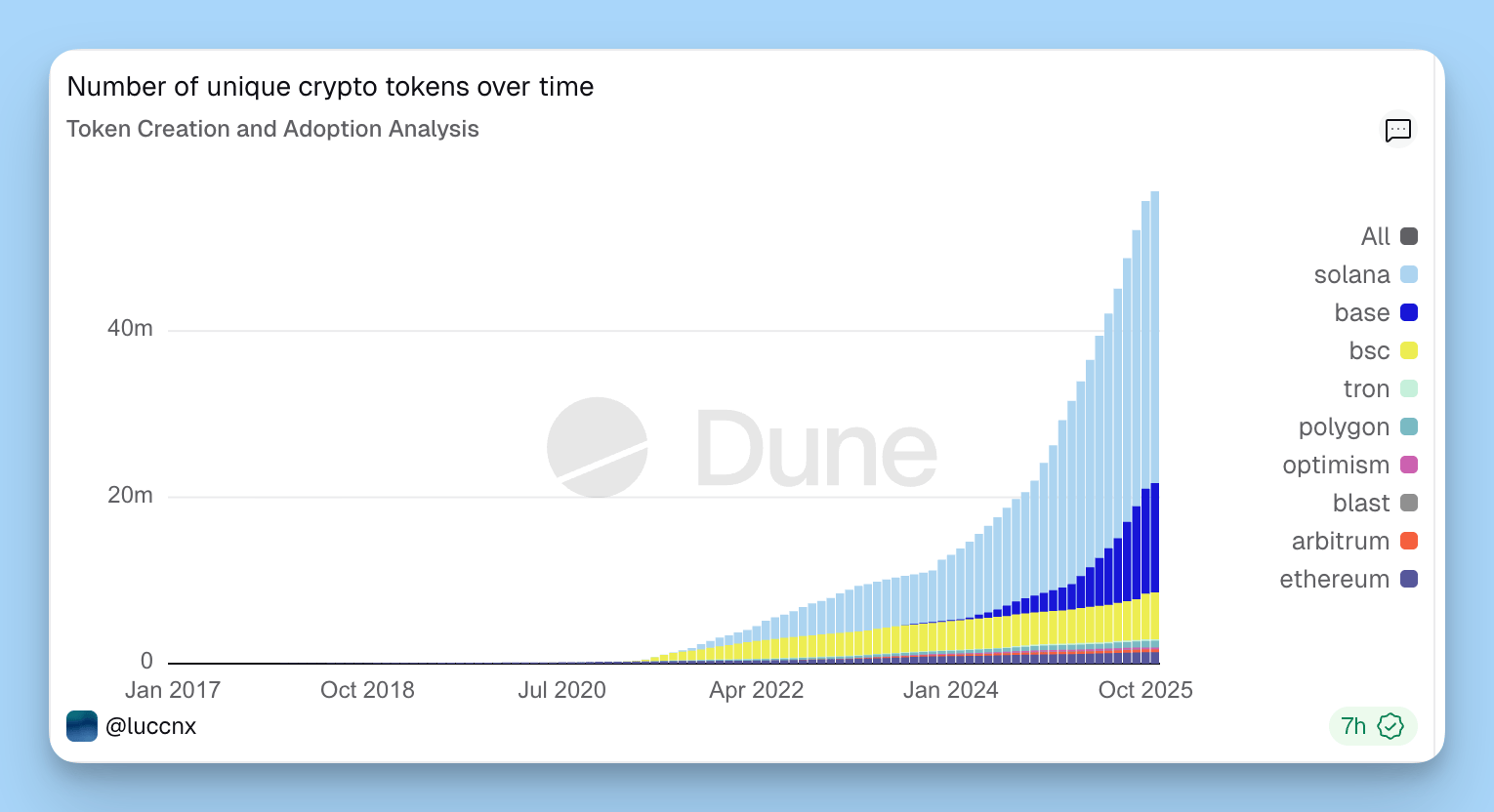
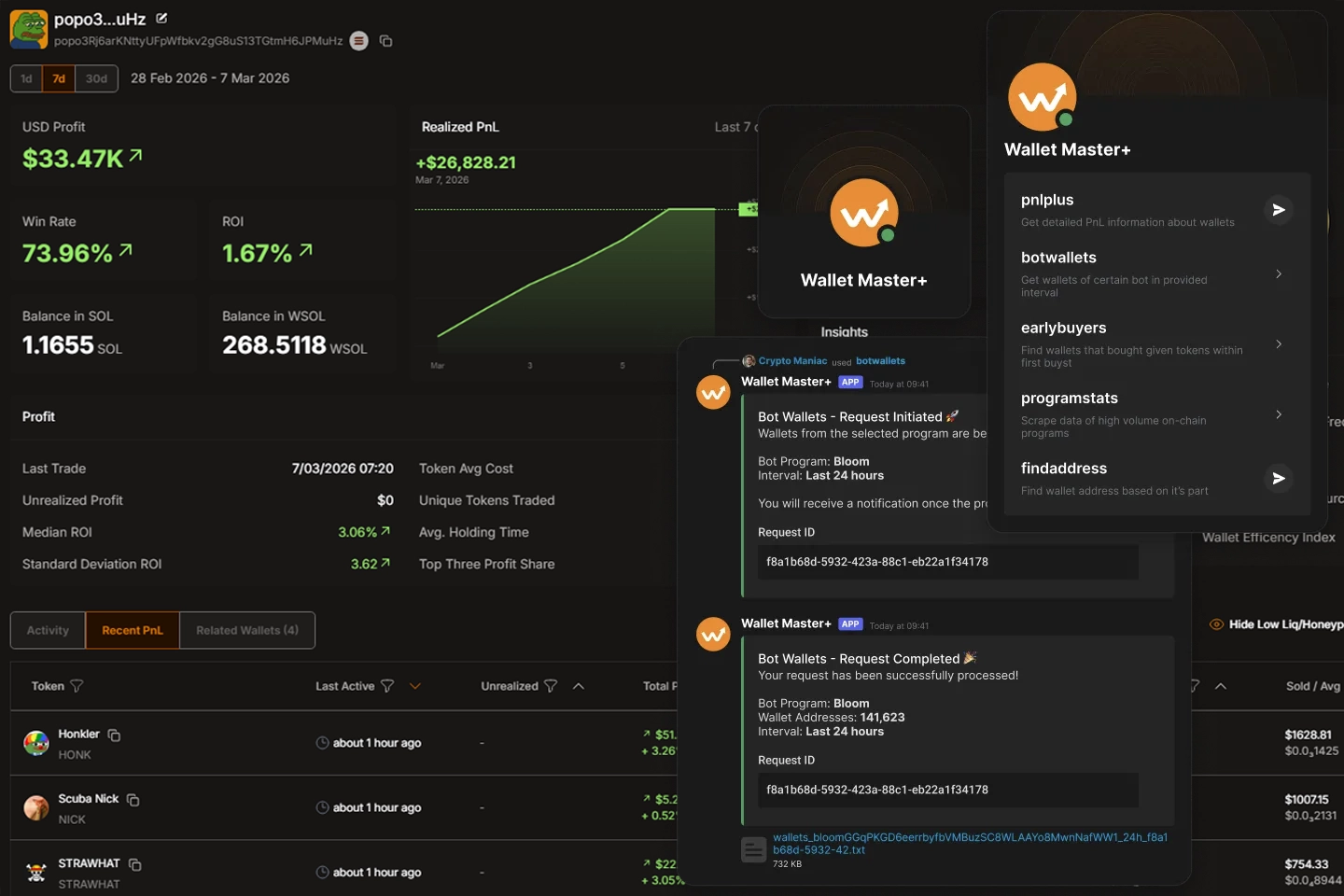
Analyzing creator tokens requires more than checking a price chart; you need to see the behavior behind the wallet addresses. The market is fragmented, so relying on a single dashboard often leaves you blind to rugpull risks or artificial volume. We evaluate these tools based on their ability to surface on-chain truth—specifically migration rates, token launch history, and holder concentration.
Wallet trackers and on-chain dashboards
Solana Token Creator Tracker provides a granular view of developer activity. Unlike general market scanners, this tool profiles individual creators, showing migration rates, average market caps at all-time highs, and specific rugpull indicators. It is particularly useful for spotting patterns in creators who launch multiple tokens in quick succession.
Dune Analytics remains the gold standard for custom dashboards. If you want to see exactly how much revenue a specific creator token generates from trading fees, Dune allows you to query the raw data. This is essential for verifying whether a token has durable product-market fit or is just a speculative pump.
DeFiLlama offers a high-level view of total value locked (TVL) and protocol revenues. While it doesn't track individual creator wallets in real-time, it helps you understand the broader liquidity health of the chains where these tokens live. If the underlying chain is bleeding liquidity, the creator token will likely suffer regardless of its community hype.
Market data and price tracking
For real-time price action, CoinGecko and CoinStats are the baseline. CoinGecko is best for tracking price history across multiple exchanges, while CoinStats helps portfolio tracking. However, these tools are reactive. They tell you what happened, not why it happened. Always pair them with the on-chain data from the tools above to understand the driver behind the price movement.


As an Amazon Associate, we may earn from qualifying purchases.
Building a sustainable creator economy strategy
Launching a creator token requires more than just deploying a smart contract; it demands a structured approach to utility and compliance. Without a clear roadmap, tokens often suffer from low engagement or regulatory scrutiny. Treat your token as a product with a defined lifecycle, not just a fundraising mechanism.
Social tokens gain value through specific access rights. Offer tangible benefits like exclusive commerce, early access to music, or private community channels. When users hold the token for a clear purpose, trading volume stabilizes around genuine interest rather than speculation.
Clarity builds trust. Publish a simple breakdown of maximum supply, circulating supply, and release schedules. Avoid complex vesting structures that confuse holders. Transparent mechanics, such as fixed caps or predictable emission rates, help investors understand the long-term value proposition.
Regulatory landscapes vary by region. Consult legal experts to ensure your token does not violate securities laws. Many creators use platforms like Zora or Base that handle some compliance overhead. Proactive legal review prevents costly shutdowns or fines later in the project’s life.
A token is only as strong as its holder base. Use tools like Discord or Telegram to onboard holders and facilitate direct communication. Regular updates and transparent governance votes keep the community engaged. Focus on retention over rapid acquisition to build a loyal, long-term supporter base.
Sustainable growth comes from aligning creator output with token utility. By focusing on clear value propositions and regulatory safety, you can avoid common pitfalls like rug pulls or abandoned projects.
Frequently asked questions about creator tokens
Understanding the mechanics of creator coins helps separate speculative assets from genuine community value. These tokens function as a bridge between digital influence and on-chain economics.
For live market context, you can monitor creator token performance using real-time data widgets. These tools help you track volatility and trading volume as you evaluate potential investments.
No comments yet. Be the first to share your thoughts!