
Creator tokens analysis: infrastructure shifts and strategy
The creator token market has moved past the initial hype cycle into a phase of structural correction. Early experiments often treated tokens as speculative assets rather than utility instruments, leading to high failure rates and user attrition. Today, successful projects prioritize infrastructure that supports long-term engagement over short-term price action.
Key metrics for evaluation
When analyzing creator tokens, focus on on-chain activity rather than social media following. High transaction volume from active holders indicates genuine utility, while low liquidity pools signal high risk. Look for projects that offer exclusive commerce, such as access to digital art, music, or services, which can only be acquired with the token.
Infrastructure requirements
Modern creator tokens rely on scalable blockchains like Solana to minimize transaction costs and improve user experience. Developers must implement robust security measures to prevent rug pulls and ensure fair distribution. Tracking tools that monitor migration rates, average market caps, and success rates provide essential data for due diligence.
Strategy for monetization
Creators should design tokenomics that align incentives between the issuer and the holder. This means offering tangible benefits, such as revenue sharing or governance rights, rather than relying solely on marketing. Sustainable monetization requires a clear value proposition that persists beyond the initial launch.
Creator tokens analysis choices that change the plan
Before launching a creator token, you must weigh the infrastructure costs against the potential revenue. The market has shifted from speculative hype to practical utility, meaning your token needs a clear reason to exist beyond community support. This section breaks down the concrete factors that determine whether a token project survives or stalls.
The first tradeoff is liquidity versus control. On centralized exchanges, liquidity is deep but fees are high and you lose custody. Decentralized exchanges offer lower fees and self-custody but often suffer from thin order books, making it hard for holders to exit positions without significant slippage. You need to decide if your community prioritizes easy access or long-term alignment.
Another critical factor is the token’s utility. Tokens that only offer governance rights often see low demand. Successful projects integrate exclusive commerce, such as access to digital art, music, or services that can only be acquired with the token. This creates a real-world value floor that speculative trading alone cannot provide. Without this utility, the token becomes just another volatile asset.
| Factor | Centralized Exchange | Decentralized Exchange | Token Utility |
|---|---|---|---|
| Liquidity Depth | High | Low | Variable |
| Fees | High | Low | N/A |
| Custody | Third-party | Self-custody | N/A |
| Exit Speed | Instant | Slippage Risk | Depends on Demand |
Finally, consider the development overhead. Building a robust token requires smart contract audits and ongoing maintenance. This is not a set-it-and-forget-it asset. You must budget for security checks and community management tools. If you lack the technical resources, partnering with an established platform may be more efficient than building from scratch. The goal is sustainable monetization, not just a quick launch.
Build a creator token with a clear utility and a verification layer
Creating a creator token is no longer a technical hurdle, but it remains a strategic risk. The infrastructure has shifted from custom smart contracts to no-code launchpads, making it easier than ever to deploy a token in minutes. However, ease of deployment has flooded the market with low-quality assets. To succeed in 2026, you must treat your token as a verified product, not just a speculative vehicle.
The following framework outlines the essential steps to launch a creator token that survives market scrutiny and delivers actual value to your community.
Most failed creator tokens start with a vague promise of "community access." In 2026, holders demand concrete utility. Define exactly what the token unlocks: exclusive content drops, governance rights, or physical merchandise. If the utility is ambiguous, the token becomes a speculative liability rather than a loyalist asset. Build the token around a specific, recurring value exchange that you can sustain.
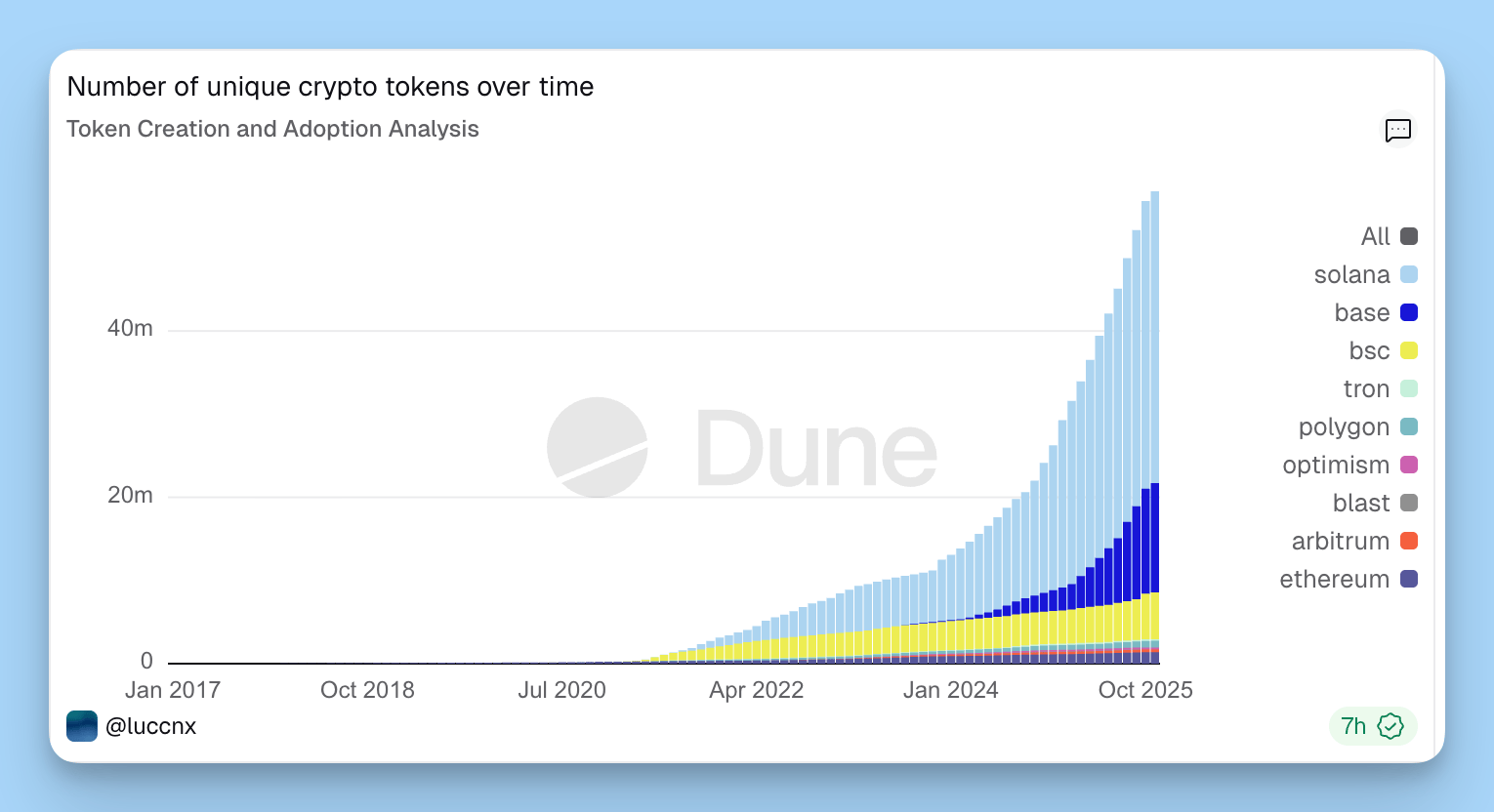
You do not need to write Solidity to launch a token. Platforms like Pump.fun or CoinTool allow instant deployment on Solana or Ethereum. However, not all launchpads are equal. Choose a platform that has undergone third-party security audits and offers transparent fee structures. Avoid unverified forks of popular generators, as they often contain backdoors that can drain liquidity or restrict transfers.
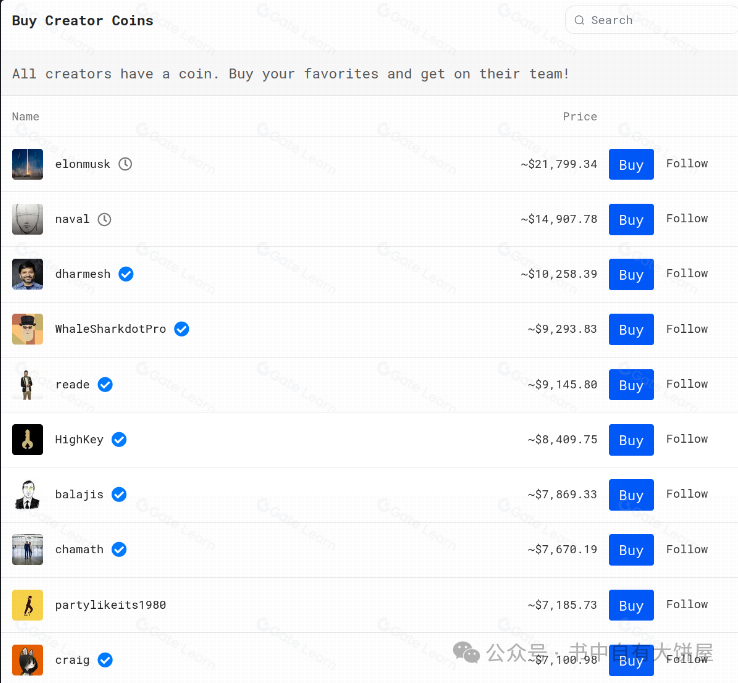
Trust is the primary currency of creator tokens. Immediately after deployment, verify the contract source code on a block explorer like Etherscan or Solscan. This allows anyone to read the code and confirm it matches the published logic. Also, lock the liquidity pool tokens for a significant period. This action signals that you are not planning a quick exit, which is critical for attracting long-term holders.
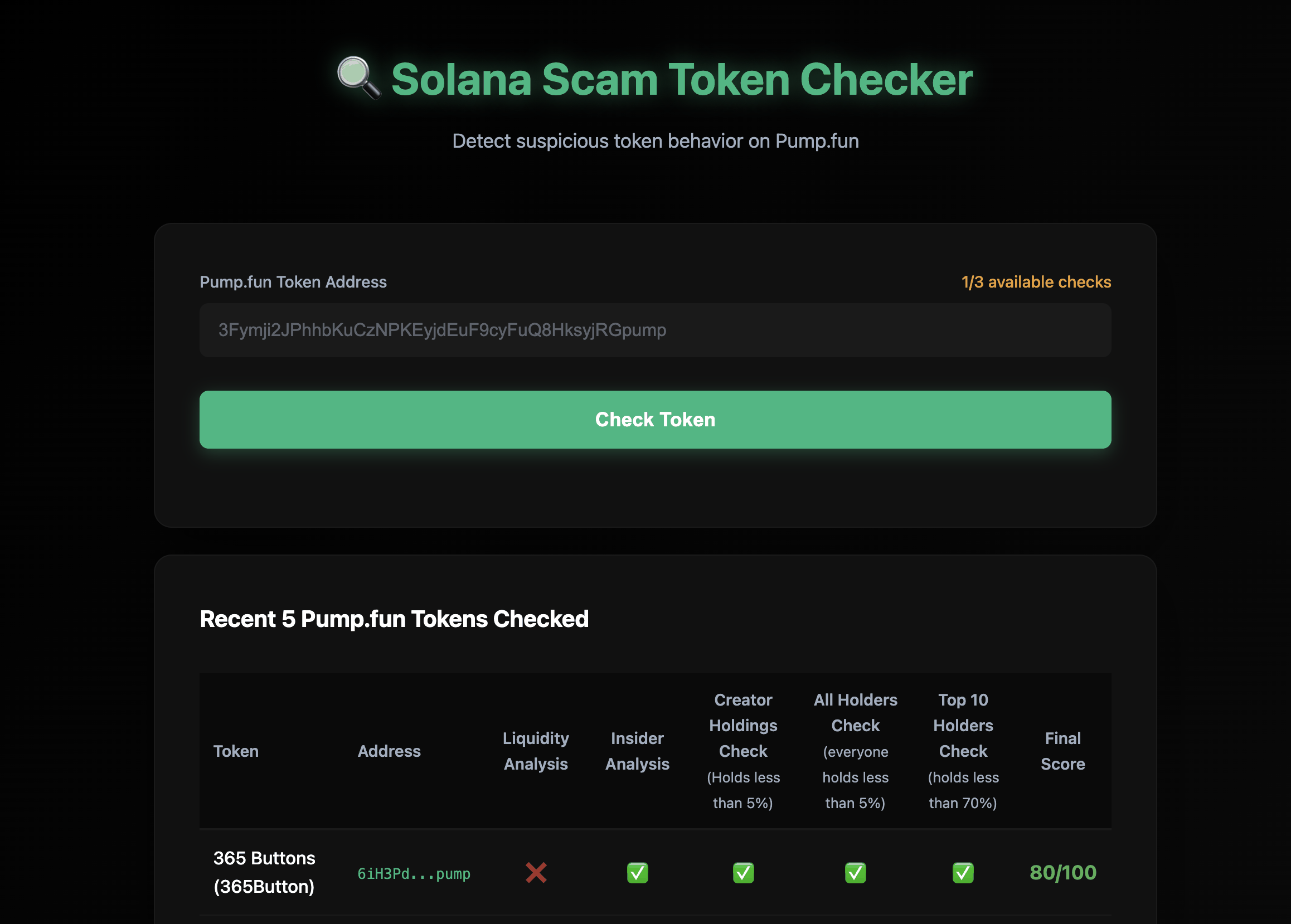
Launch is only the beginning. Use analytics tools to monitor your token’s performance against industry benchmarks. Look at metrics like migration rates to centralized exchanges and holder retention. Tools like Wallet Master can help you track these indicators, allowing you to adjust your strategy based on real data rather than guesswork. If retention drops, revisit your utility proposition.
| Feature | Custom Contract | No-Code Launchpad |
|---|---|---|
| Development Time | Weeks | Minutes |
| Security Audit | Required | Varies |
| Cost | High ($5k+) | Low (<$100) |
| Flexibility | High | Medium |
Spotting Weak Creator Token Projects
Many new creator tokens fail because they promise utility they cannot deliver. The 2026 landscape rewards infrastructure that actually works, not just hype. Before investing or building, check the token’s actual onchain activity. Look for real transactions, not just bot-driven volume.
Watch out for projects claiming "exclusive commerce" without a clear path to revenue. If the token offers no tangible benefit beyond speculation, it is likely a weak option. Use tools like Solana Token Creator Tracker to check migration rates and success metrics. Avoid tokens with high rugpull indicators or low developer activity.
A common mistake is ignoring the token’s technical foundation. Weak infrastructure leads to high fees and poor user experience. Always verify the contract’s audit status and team transparency. If the team is anonymous or the code is unaudited, treat it as a high-risk asset.
Focus on tokens with clear use cases, such as access to exclusive content or services. These provide real value to holders. Avoid projects that rely solely on marketing. The best creator tokens solve a specific problem for their community, not just the creator’s wallet.
Creator tokens analysis: what to check next
Before committing capital or launching a token, creators and investors often face the same practical hurdles. These questions address the core mechanics, valuation methods, and risks that define the current onchain monetization landscape.
No comments yet. Be the first to share your thoughts!