The Infrastructure Behind Creator Tokens
The infrastructure for creator tokens has shifted from experimental social experiments to a structured financial stack. In 2026, this infrastructure is no longer just about issuing a token; it is about providing the APIs, liquidity rails, and compliance layers that allow digital communities to integrate social tokens into broader financial systems. Without this underlying architecture, creator tokens remain illiquid assets with limited utility.
At the core of this shift is the tokenization process itself. As defined by the International Institute for Sustainable Development (IISD), tokenization converts rights, units of asset ownership, or debt into digital tokens on a blockchain. For creators, this means moving beyond simple fan engagement to building assets that can interact with decentralized finance (DeFi) protocols. The infrastructure must support these interactions seamlessly, ensuring that tokens can be traded, staked, or used as collateral without friction.
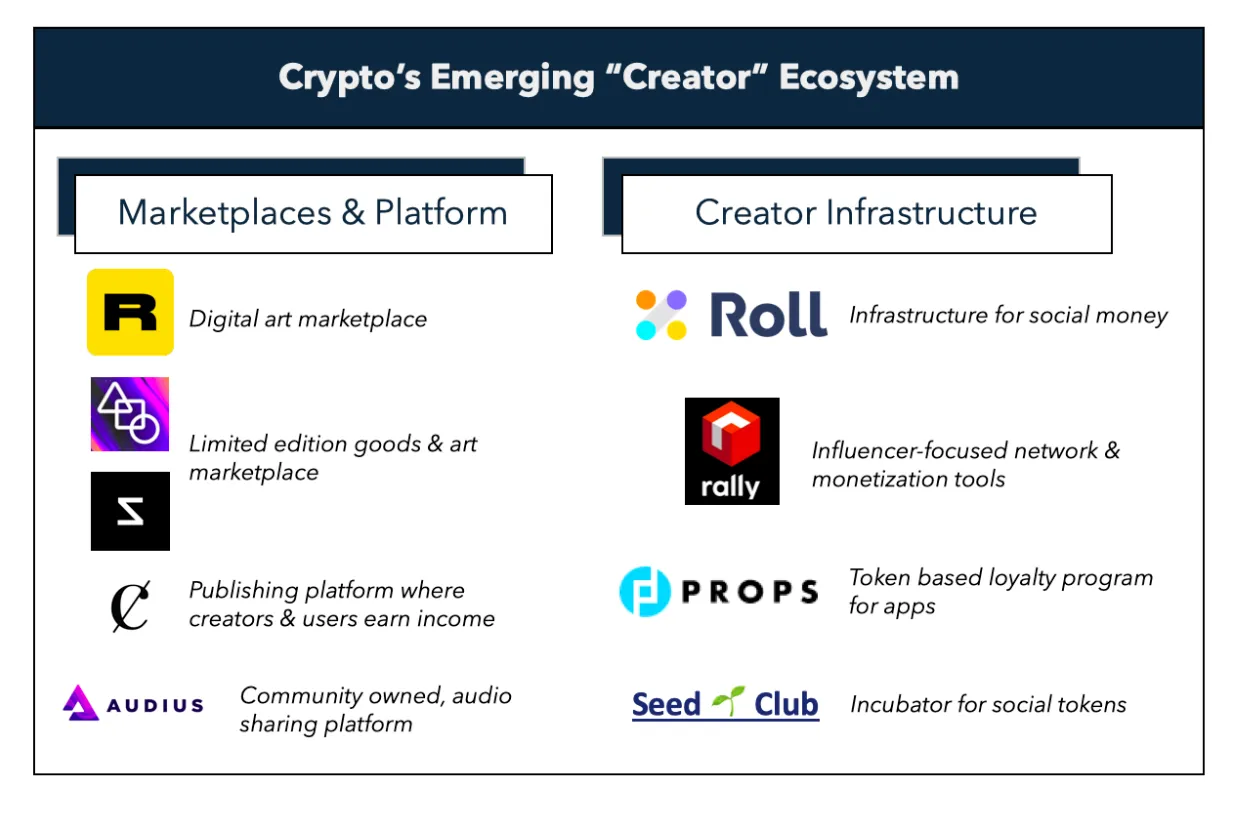
Platforms like Roll exemplify this new standard by providing dedicated infrastructure and APIs. These tools allow creators to mint and manage tokens while integrating them into both financial and social ecosystems. This dual integration is critical. It ensures that a creator’s token is not isolated within a single app but can function as a versatile instrument across multiple platforms. This interoperability is what transforms a token from a novelty into a functional part of the creator economy.
However, this infrastructure comes with significant complexity. Creators must navigate regulatory requirements, smart contract security, and market volatility. The tools available in 2026 are designed to mitigate these risks, but they do not eliminate them. Understanding the technical and legal landscape is essential for anyone looking to build or invest in creator token infrastructure. The difference between a successful token and a failed one often lies in the robustness of the underlying infrastructure.
Creator tokens infrastructure choices that change the plan
Building a creator token requires choosing between control, cost, and compliance. There is no single best platform; the right stack depends on whether you prioritize community engagement, regulatory safety, or technical flexibility. Evaluating these tradeoffs helps avoid infrastructure that limits your growth or exposes you to unnecessary legal risk.
Community engagement vs. regulatory compliance
Platforms like Roll and Rally focus on social integration, allowing creators to embed tokens directly into their communities. This approach prioritizes user experience and liquidity but often operates in a regulatory gray area. In contrast, compliance-first infrastructure, such as Zoniqx, builds payment rails that offer full traceability and transparency. These tools are designed for Web3 teams and startups that need to pay global contractors in crypto or fiat while adhering to strict legal standards. The tradeoff is clear: social-first tools offer higher engagement but lower legal certainty, while compliance-first tools offer safety but may feel friction-heavy to casual users.
Technical flexibility vs. ease of use
For developers, the ability to customize smart contracts is essential. Infrastructure that provides open APIs allows for deep integration with financial systems, enabling complex tokenomics and custom governance structures. However, this flexibility requires significant technical expertise to audit and maintain. Simplified platforms abstract away the underlying blockchain complexity, making it easy for non-technical creators to issue tokens. The downside is that these simplified tools often lock creators into proprietary ecosystems, limiting long-term portability and control over the token’s lifecycle.
Cost structure and long-term viability
The cost of issuing and managing a creator token extends beyond the initial minting fee. Some platforms charge high transaction fees on secondary sales, which can deter long-term holding and community growth. Others rely on subscription models that scale with creator revenue. It is crucial to evaluate the total cost of ownership, including gas fees, platform commissions, and any hidden costs for advanced features. A platform that appears cheap initially may become expensive as your community grows, impacting your net revenue.
| Feature | Social-First (e.g., Roll/Rally) | Compliance-First (e.g., Zoniqx) | Developer-Focused (Custom) |
|---|---|---|---|
| Primary Goal | Community engagement | Legal traceability | Technical flexibility |
| Regulatory Risk | Higher | Lower | Variable |
| Ease of Use | High | Medium | Low |
| Customization | Low | Medium | High |
| Best For | Influencers | Startups | Developers |
The choice of infrastructure should align with your long-term business model. If your goal is rapid community building and social interaction, a social-first platform may be the right starting point. However, if you are building a sustainable business that requires legal clarity and scalable payment solutions, a compliance-first or developer-focused infrastructure is likely a safer investment. Always review the specific terms of service and legal jurisdiction of the platform before issuing any tokens.
Choose the next step for creator tokens
Building a token infrastructure requires aligning technical capability with community incentives. The landscape has shifted from speculative issuance to utility-driven models, where tokens serve as access keys or governance instruments rather than pure investment vehicles. Selecting the right path depends on your immediate operational goals and long-term sustainability.
1. Evaluate Infrastructure Requirements
Determine whether you need a full-stack solution or modular APIs. Platforms like Roll provide infrastructure that allows digital communities to create and integrate social tokens into both financial systems and social interactions without writing code. This approach reduces technical friction but may limit customization. For projects requiring deep integration with existing financial systems, API-first solutions offer more flexibility.
2. Define Token Utility and Governance
Clarity in token function prevents regulatory ambiguity and user confusion. Tokens should serve a clear purpose, such as granting access to exclusive content, voting on community decisions, or unlocking special features. Avoid creating tokens with vague utility, as this often leads to low engagement and regulatory scrutiny. Governance tokens, for instance, should have clear voting mechanisms and transparent decision-making processes.
3. Assess Regulatory Compliance
Tokenization involves converting rights or ownership into digital tokens on a blockchain, which can trigger securities laws depending on the jurisdiction. Consult legal experts to ensure your token structure complies with local regulations. This is particularly important if you plan to distribute tokens to a broad audience or offer them as investment opportunities. Compliance is not optional; it is foundational to sustainable operations.
4. Plan for Community Engagement
Successful token projects prioritize community building over marketing hype. Engage your audience in the token design process to ensure it meets their needs. Provide educational resources to help users understand the value and risks of holding your token. Active communities are more likely to sustain token value and drive long-term growth.
5. Monitor Market Trends and Adoption
Stay informed about emerging trends in onchain monetization and creator economy tools. The market is evolving rapidly, with new platforms and standards emerging regularly. Regularly review your strategy to ensure it remains aligned with user expectations and technological advancements. Adaptability is key to staying relevant in this fast-changing space.
Spotting Weak Creator Token Models
The creator token space is crowded with projects that promise monetization but deliver illiquidity or regulatory exposure. In 2026, the infrastructure layer has matured, but many token designs remain structurally flawed. Creators and investors must distinguish between tokens that function as genuine utility instruments and those that are merely speculative vehicles masquerading as community governance.
The Governance Token Trap
Many projects issue governance tokens with the implicit promise of value accrual. However, without clear revenue-sharing mechanisms or treasury access, these tokens often have no fundamental floor. A governance token is only "worth anything" if the underlying protocol generates cash flow or if holders have veto power over significant treasury movements. Without these, the token is a voting receipt, not an investment asset. Investors should treat such tokens as speculative bets on platform adoption, not as equity substitutes.
Utility vs. Speculation
A common mistake is conflating social tokens with financial securities. Tokens that grant access to exclusive content or events are generally safer from a regulatory standpoint than those promising profit sharing. Look for tokens that provide immediate, non-financial utility. If a token’s only value proposition is "to the moon," it is likely a weak option. Robust infrastructure, such as that provided by platforms like Roll, integrates tokens into both financial and social systems, ensuring they have functional use cases beyond secondary market trading.
Regulatory Red Flags
The most promising crypto projects in 2026 are those that prioritize compliance. Tokens that claim to offer investment returns without proper registration are high-risk liabilities. Avoid projects that use ambiguous language to skirt securities laws. Instead, focus on infrastructure that supports transparent, compliant token issuance. This includes clear disclosures of tokenomics, vesting schedules, and legal opinions on token classification. Ignoring these basics is a common mistake that can lead to frozen assets or legal action.
Technical Verification
Before engaging with any creator token infrastructure, verify the contract’s technical integrity. Use provider-backed data to assess liquidity and trading volume. A token with low liquidity is susceptible to manipulation and may be impossible to exit. Always check the technical chart for signs of wash trading or artificial volume spikes. If the data looks unnatural, the project is likely a weak option.
Creator tokens infrastructure: what to check next
Before launching a tokenized community or integrating onchain monetization, it helps to separate hype from the actual utility these tools provide in 2026.
Are governance tokens worth anything?
Governance tokens hold value only when they control real assets or revenue streams. Without treasury access or voting power over protocol upgrades, they function as speculative derivatives with no intrinsic backing.
What is the most promising crypto project?
The most durable projects are infrastructure layers like Polygon or specialized creator platforms like Roll that provide actual APIs for token issuance. Promising tools solve specific problems, such as low-fee global payments or compliance-first smart contract deployment.
Is it worth investing in blockchain creators?
Investing in creator tokens requires treating them like venture capital. You are betting on the creator’s ability to retain an audience and monetize it through exclusive access or community governance, rather than traditional advertising or sponsorship deals.
Is tokenized real estate a good investment?
Tokenized real estate offers fractional ownership and liquidity but introduces smart contract risk and regulatory complexity. It works best for institutional investors seeking exposure to property without the burden of direct management, provided the legal wrapper is robust.
Helpful gear
Use these product recommendations as a starting point, then choose the size, material, and price point that fit how you actually use the gear.

As an Amazon Associate, we may earn from qualifying purchases.
No comments yet. Be the first to share your thoughts!