Creator tokens market research limits to account for
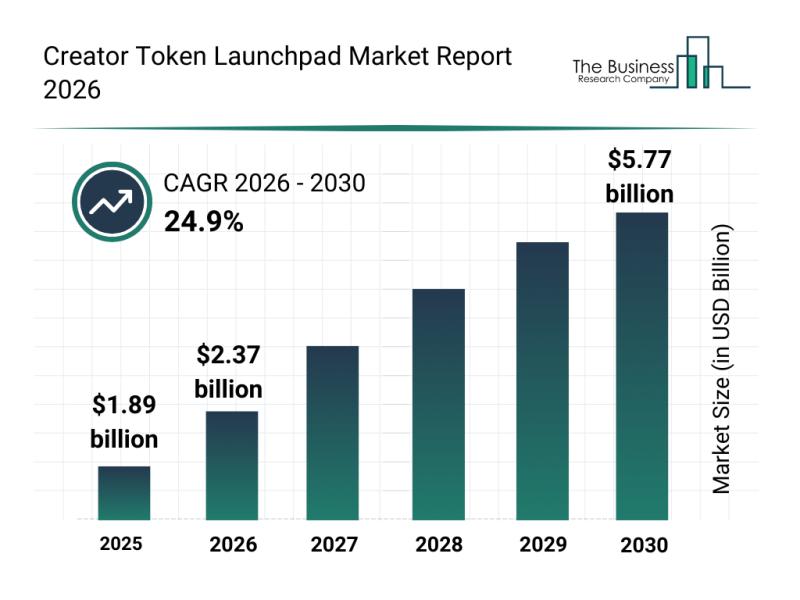
When evaluating the creator token landscape, the primary constraint is the divergence between broader social token projections and the specific infrastructure required for sustainable launchpads. Recent data indicates the creator token launchpad market was valued at $2.8 billion in 2025, with projections reaching $18.9 billion by 2033 (25.4% CAGR). Meanwhile, the wider social token market is expected to grow from $1.98 billion in 2026 to $4.49 billion by 2030. This gap highlights that while interest is high, the monetization infrastructure remains fragmented and volatile.
Investors and creators must look beyond headline valuations. The market is not driven by pure speculation alone but by the utility of the underlying platforms. A creator token is only as valuable as the ecosystem that supports its liquidity and distribution. Without robust market-making and clear utility, tokens often fail to retain value post-launch. This is where the distinction between a simple social coin and a functional creator asset becomes critical.
The challenge lies in identifying which platforms can sustain long-term engagement. Many launchpads struggle with user acquisition costs and retention. Therefore, market research should focus on the operational health of these platforms rather than just their token price. Understanding the mechanics of how these tokens are issued, traded, and redeemed is essential for accurate valuation.
To contextualize this growth, it is helpful to look at the broader tokenization trend. Citigroup forecasts a $5.5 trillion base case for tokenized assets by 2030, driven largely by public market securities. While creator tokens are a small slice of this pie, they represent a new class of liquid, community-driven assets. Their success depends on integrating with these larger financial infrastructures.
For those tracking the broader market context, understanding the liquidity providers is also important. The biggest crypto market makers, such as Wintermute and Jump Crypto, often influence the stability of these smaller cap tokens. Their involvement can dictate the volatility and depth of the market. Researching which market makers support specific launchpads can provide insight into the token's potential resilience.
Creator token market research choices that change the plan
Evaluating a creator token launchpad requires balancing immediate liquidity against long-term infrastructure reliability. The market is expanding rapidly, with the creator token launchpad sector valued at $2.8 billion in 2025 and projected to reach $18.9 billion by 2033 (Dataintelo). However, this growth masks significant structural differences between platforms that can impact a creator's revenue and audience retention.
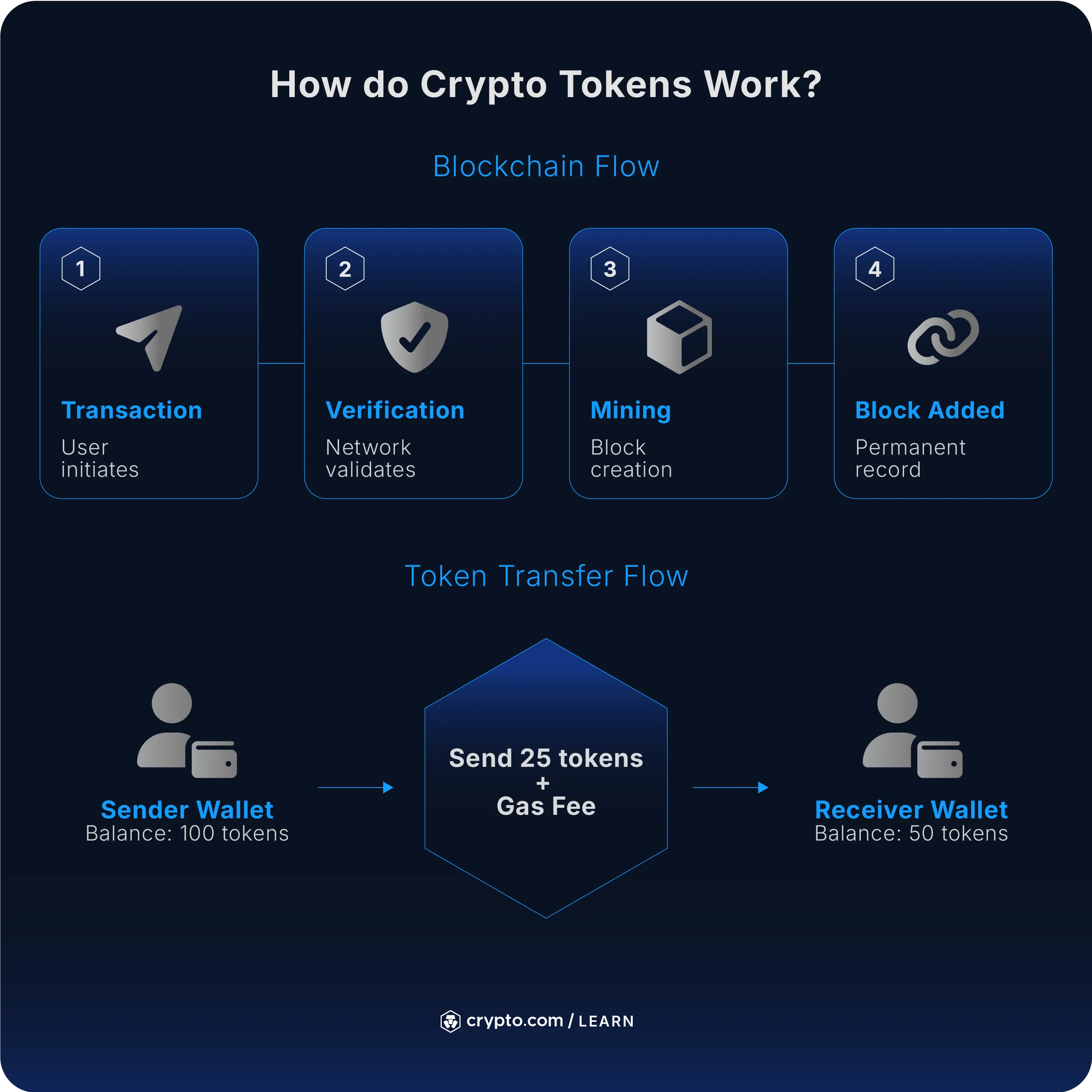
When selecting a platform, you must weigh the tradeoffs between centralized ease of use and decentralized community ownership. Some platforms offer robust fiat on-ramps and customer support but retain control over smart contract upgrades. Others prioritize censorship resistance but require creators to manage complex wallet security and gas fees. The choice determines who holds the risk if the underlying blockchain experiences congestion or if the platform faces regulatory scrutiny.
Liquidity depth is another critical factor. A token with high trading volume ensures that fans can buy and sell without significant slippage, but it often comes with higher platform fees or revenue-sharing models. Smaller, niche chains may offer lower fees but suffer from thin order books, making it difficult for creators to exit positions or for investors to enter without moving the price. Understanding these mechanics is essential for sustainable monetization.
Platform Comparison
The following table compares the primary tradeoffs across three distinct infrastructure models currently shaping the creator token market. These categories help visualize the balance between control, cost, and reach.
| Infrastructure Model | Creator Control | Market Liquidity | Regulatory Burden |
|---|---|---|---|
| Centralized Exchange (CEX) | Low | High | High |
| Decentralized Exchange (DEX) | High | Medium | Low |
| Hybrid Launchpad | Medium | Medium-High | Medium |
Market Context
To understand the current valuation of these infrastructure shifts, it is helpful to look at the broader social token market, which is expected to grow from $1.98 billion in 2026 to $4.49 billion by 2030 (Research and Markets). This growth is not just about token issuance but about the underlying technology that supports it. The infrastructure must handle increased transaction volumes without compromising security or user experience.
The volatility of underlying assets like Bitcoin often influences the risk appetite of investors in creator tokens. When the broader market is bullish, liquidity flows into smaller-cap creator tokens more readily. Conversely, during bear markets, only tokens with strong community engagement and utility tend to retain value. This correlation underscores the importance of choosing a platform that can withstand market downturns.
Build a Creator Token Launchpad Strategy
The creator token launchpad market is expanding rapidly, with valuations projected to grow from $2.8 billion in 2025 to $18.9 billion by 2033. This growth signals a shift from speculative hype to structured infrastructure. To navigate this landscape, creators and platforms must move beyond simple token issuance and focus on sustainable monetization and liquidity.
Use this five-step framework to align your token strategy with current market realities. Each step addresses a specific operational or financial requirement, ensuring your launch is grounded in verifiable data rather than trend-chasing.
Define what the token actually does. Utility tokens that grant access to exclusive content, governance rights, or revenue-sharing mechanisms outperform purely speculative assets. Clear utility drives retention and reduces reliance on volatile secondary market demand.

Liquidity is the lifeblood of any token launch. Partner with established market makers like GSR Markets or Jump Crypto to ensure tight spreads and stable pricing. Without professional liquidity provision, even high-demand tokens can suffer from slippage and price manipulation.

Tokenization is expanding beyond digital art. Consider linking tokens to tangible assets or revenue streams, such as merchandise sales or live event tickets. This approach aligns with the broader trend of tokenizing real-world assets, which is expected to reach a $5.5 trillion base case by 2030.
Track the performance of key market makers in your sector. Their algorithmic trading and risk management services directly impact your token's stability. Understanding their strategies helps you anticipate market movements and adjust your community engagement tactics accordingly.
As the social token market grows, regulatory scrutiny will intensify. Ensure your token structure complies with securities laws in your target jurisdictions. Proactive compliance reduces legal risks and builds trust with institutional investors and mainstream audiences.
This structured approach transforms market research into actionable steps. By focusing on utility, liquidity, and compliance, you can build a creator token strategy that withstands market volatility and delivers long-term value.
Spotting Weak Options and Misleading Claims
The creator token market is expanding rapidly, but not all growth signals are genuine. Recent reports suggest the launchpad sector could reach $18.9 billion by 2033, while the broader social token market may hit $4.49 billion by 2030. These projections often mask the reality of low liquidity and high churn rates. Creators and investors must look past headline numbers to identify which platforms offer real utility versus speculative hype.
Many new tokens launch with inflated initial valuations but fail to sustain trading volume. This pattern often stems from a lack of organic community engagement or poor tokenomics design. Instead of chasing new launches, focus on platforms with consistent daily active users and transparent revenue sharing. Avoid tokens that rely solely on influencer shills without underlying product integration.
Another common mistake is ignoring the infrastructure layer. A token’s value is tied to the reliability of its launchpad and the liquidity provided by market makers. Top firms like GSR Markets and Wintermute set the standard for stability. If a platform does not partner with reputable liquidity providers, its price charts will likely show excessive volatility and slippage. Always verify the technical backbone before committing capital.
Finally, be wary of vague token utility claims. "Governance" and "access" are buzzwords that rarely translate to tangible benefits. Look for concrete mechanisms like revenue splits, exclusive content unlocks, or staking rewards that generate actual yield. If the utility is abstract, the token is likely a weak option in a crowded market.
Creator tokens market research: what to check next
Before committing capital or building infrastructure, creators and investors should verify the underlying mechanics of tokenization. The market is shifting from speculative hype to utility-driven infrastructure, meaning due diligence matters more than ever.
Who is the biggest crypto market maker?
Liquidity is the lifeblood of any creator token. Without it, your audience cannot buy or sell, and the token becomes illiquid. The largest players include GSR Markets, Jump Crypto, Wintermute, and Cumberland. These firms provide the algorithmic trading and risk management necessary to keep order books balanced. For a creator token, choosing a market maker with experience in digital assets is essential to prevent wild price swings.
How many assets will be tokenized by 2030?
Tokenization is expanding far beyond art. Citigroup forecasts a $5.5 trillion base case for tokenized assets by 2030, potentially reaching $8 trillion in a bull scenario. Public market securities, like U.S. treasuries and equities, are driving this early adoption. For creators, this signals a maturing ecosystem where tokenized fan clubs and loyalty programs will sit alongside traditional financial instruments.
What is the creator token launchpad market size?
The infrastructure supporting these tokens is growing rapidly. Dataintelo values the creator token launchpad market at $2.8 billion in 2025, projecting it to hit $18.9 billion by 2033. This 25.4% CAGR reflects the increasing demand for dedicated platforms that handle compliance, wallet creation, and secondary trading. As the pie grows, the tools available to creators become more sophisticated and easier to use.
Is the social token market growing?
Yes, but it is stabilizing. Research and Markets values the social token market at $1.98 billion in 2026, with a projected 22.7% CAGR leading to $4.49 billion by 2030. This growth is driven by brands and influencers seeking direct monetization channels. The focus has shifted from pure speculation to community engagement and exclusive access, making social tokens a viable long-term strategy for dedicated fanbases.
No comments yet. Be the first to share your thoughts!