The rise of creator capital markets
The creator economy has evolved from a collection of individual monetization tactics into a structured financial ecosystem. This shift marks the transition from simple "creator coins"—which functioned mostly as digital fan clubs—to complex financial instruments that tokenize social attention and community engagement. We are now witnessing the emergence of creator capital markets, a distinct asset class where influence is quantified, traded, and leveraged.
According to market analysis, these markets represent financial systems that allow content creators, influencers, and streamers to issue tokens linked to their social profiles. Unlike traditional equity or debt, these assets derive value from ongoing audience interaction, content output, and brand alignment. The goal is no longer just to sell a product to a follower, but to create a liquid market where that follower’s support can be held, traded, or staked.
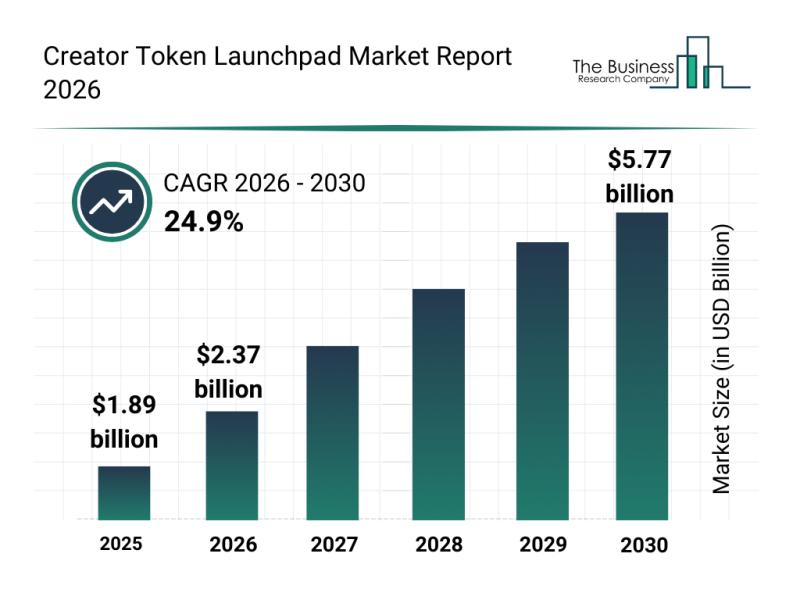
The scale of this transformation is significant. The broader creator economy is projected to reach nearly $157.3 billion in Europe by 2032, with an average annual growth rate of over 25%. Within this macro trend, the financialization of creator identity is accelerating. Platforms are building infrastructure that supports trading volume, liquidity pools, and on-chain governance, moving the sector beyond one-off donations or subscription models.
For investors and creators alike, this requires a new lens for creator tokens market research. We are no longer evaluating mere popularity metrics; we are assessing the sustainability of tokenized attention, the liquidity of creator-backed assets, and the regulatory frameworks emerging around these novel instruments. The market is maturing from experimental pilots into a robust, albeit volatile, component of the digital economy.
Infrastructure upgrades powering growth
The landscape for creator tokens has shifted from speculative novelty to functional infrastructure. In 2026, the viability of creator coins as serious business assets hinges on three technical upgrades: native integration with Base, near-zero settlement fees via Zora’s Layer 2 scaling, and faster finality. These changes remove the friction that previously discouraged everyday fan engagement.
Base and Zora Integration
The most significant structural change is the deep integration of creator coins with Coinbase’s Base network and Zora’s minting protocol. Creator coins are now ERC-20 tokens linked directly to Base app profiles, allowing creators to earn from trading volume without leaving the ecosystem. This integration reduces the technical barrier to entry, enabling creators to launch tokens with a few clicks rather than complex smart contract deployment.
Lower Fees and Faster Settlement
Previous generations of creator tokens suffered from high gas fees that made small transactions economically unviable. Zora’s Layer 2 solution has reduced transaction costs to fractions of a cent, making micro-transactions and frequent fan interactions feasible. This cost reduction is critical for maintaining high engagement rates, as fans can buy, sell, or transfer tokens without worrying about network fees exceeding the transaction value.
Market Volatility and Technical Charting
Despite these infrastructural improvements, the creator tokens market remains volatile. Investors and creators must monitor price action closely to understand market sentiment and liquidity trends. The following chart illustrates the recent price movement of a representative social token index, highlighting the importance of real-time data in managing creator token portfolios.
Monetization strategies for creators
The market has shifted from speculative hype to structured revenue streams. Creators are no longer just selling digital art; they are issuing tokens that function as membership passes, equity-lite shares, or utility keys. This transition allows creators to build sustainable communities rather than chasing viral moments. By minting their own creator coins, often as ERC-20 tokens on networks like Base or Zora, creators can earn directly from trading volume and secondary sales, creating a recurring revenue model that scales with their audience's engagement.
Comparing Monetization Models
Different platforms and token standards offer varying degrees of control and revenue potential. The table below compares three primary monetization strategies used in the current market.
| Model | Revenue Source | Holder Rights | Setup Complexity |
|---|---|---|---|
| One-Time Sale | Upfront token purchase | Basic access or badge | Low |
| Recurring Subscription | Monthly token burns or fees | Exclusive content access | Medium |
| Equity-Like Rights | Revenue sharing from projects | Voting on direction, profit share | High |
Community Growth and Exclusive Access
Tokens serve as a gatekeeper for exclusive experiences. Unlike traditional subscription models, token-gated access creates a sense of ownership among supporters. Holders often gain access to private Discord channels, early product drops, or direct communication lines with the creator. This strategy transforms passive followers into active community members who are financially invested in the creator's success. As noted by industry observers, these social tokens help grow communities by aligning incentives between the creator and their audience.
Revenue Sharing and Long-Term Value
Beyond access, some creators offer revenue-sharing models where token holders benefit from the creator's broader business ventures. This approach requires more complex legal and technical infrastructure but can significantly increase token utility. Creators must ensure that their monetization strategies comply with financial regulations, particularly when offering profit-sharing rights. For real-time market context on the performance of social tokens and related infrastructure, refer to the technical chart below.
Liquidity risks and market maker dynamics
Liquidity is often thinner than the hype suggests. Unlike established cryptocurrencies with deep order books, creator tokens frequently suffer from low trading volumes, making them vulnerable to sharp price swings and exit liquidity traps. For investors, this means that buying in is straightforward, but selling out can be significantly more difficult, especially during market downturns.
Market makers play a pivotal role in mitigating these risks by providing the necessary buy and sell orders to keep the market active. However, their involvement is not guaranteed. Many creator projects operate without dedicated market makers, relying instead on organic community trading. This absence can lead to wide bid-ask spreads and prolonged periods of inactivity, effectively freezing assets for holders who need to exit. As noted by industry experts, hiring a market maker is a strategic decision that requires careful evaluation of costs versus the potential for sustained liquidity [src-serp-3].
Valuation in this sector remains highly complex. Traditional financial metrics like price-to-earnings ratios are largely irrelevant for tokens that may not generate direct revenue. Instead, valuation is often driven by speculative sentiment, the creator's personal brand strength, and broader crypto market trends. This disconnect between fundamental value and market price creates significant uncertainty. Investors must navigate these complexities with a clear understanding that liquidity constraints can quickly erode perceived value.
To understand the current volatility, it is helpful to look at live market data. While creator tokens are diverse, observing broader market trends can provide context for individual asset performance.
The correlation between major cryptocurrencies and creator tokens means that even strong projects can suffer during broader market corrections. Understanding these dynamics is essential for anyone conducting creator tokens market research, as it highlights the importance of liquidity analysis alongside traditional due diligence.
Creator coins in crypto explained
A creator coin is an ERC-20 token linked to a specific profile, such as those on Base or Zora, allowing the issuer to earn from trading volume. Unlike traditional equity, these tokens function as a direct financial instrument that rewards active community members while building independent capital sources.
This model sits at the center of the creator tokens market research, bridging digital art with liquid finance. As the creator economy generates billions annually, these tokens offer a new way to monetize influence without relying on platform algorithms or ad revenue.
No comments yet. Be the first to share your thoughts!