The rise of creator capital markets
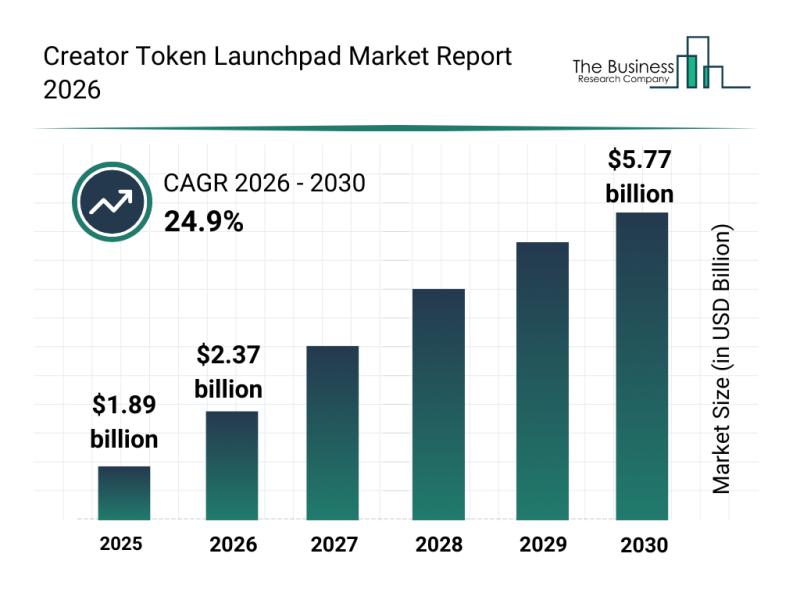
Creator tokens have shed their reputation as speculative memes to become emerging financial instruments tied directly to attention and exclusive commerce. Unlike traditional stocks, these assets represent a direct line to a creator’s audience, functioning as both a membership pass and a tradable security within decentralized ecosystems. This shift marks the birth of creator capital markets, where social influence is quantified, liquid, and investable.
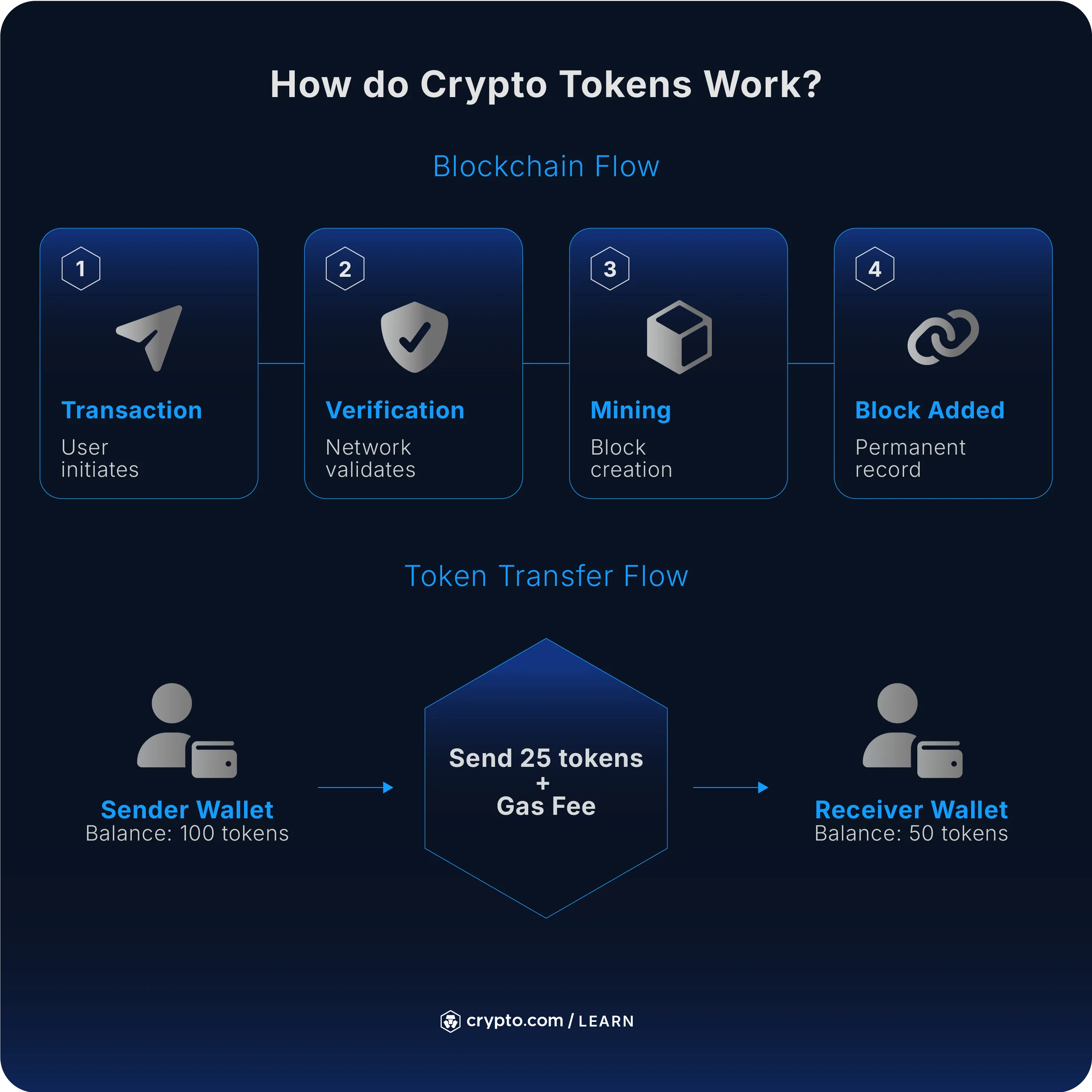
At their core, these tokens are digital assets issued by artists, musicians, and influencers to monetize content and build Web3 ecosystems. They allow creators to bypass traditional gatekeepers, offering holders access to exclusive experiences, revenue shares, or governance rights. As platforms like Coinbase and Zora integrate creator coins directly into user profiles, the barrier to entry for both creators and investors has lowered significantly, turning social capital into a tangible asset class.
The infrastructure supporting this market is evolving rapidly. New mechanisms like pump.fun are streamlining the launch process, allowing creators to tokenize their attention with minimal technical overhead. This democratization of issuance is creating a more liquid and accessible market, though it also introduces new risks related to volatility and liquidity management. Investors must now evaluate these tokens not just by hype, but by the underlying commerce and community engagement they drive.
How platform mechanics shape token utility
The infrastructure behind a creator token determines whether it functions as a speculative asset or a functional membership pass. While the underlying technology often relies on similar blockchain standards, the user experience and economic incentives vary significantly across platforms. Zora, Friend.tech, and Pump.fun represent three distinct approaches to token issuance, each solving different problems for creators and holders.
Zora structures its Creator Coins as ERC-20 tokens directly linked to a user’s Base profile. This design emphasizes seamless integration with the broader Base ecosystem, allowing creators to earn from trading volume while offering holders access to exclusive commerce, such as digital art or services. The platform’s mechanics are designed to lower the barrier to entry, making it easier for mainstream users to participate in the creator economy without navigating complex decentralized exchanges.
Friend.tech takes a more restrictive approach by tying token access to social connections. Users must purchase keys to follow creators, creating a gated community model. This mechanism prioritizes intimacy and direct engagement over open market liquidity. The utility here is less about tradable value and more about access to exclusive content or direct messaging, effectively turning social influence into a tangible, purchasable asset.
Pump.fun differs fundamentally by focusing on rapid, low-cost token launches with an integrated bonding curve mechanism. Instead of immediate liquidity pool deployment, tokens are minted and traded on a bonding curve until they reach a market cap threshold, at which point liquidity is automatically provided to a decentralized exchange. This model accelerates discovery and reduces upfront costs for creators but introduces higher volatility and speculative risk for early buyers.
The choice of platform dictates the holder’s experience. Zora offers a balanced mix of commerce and trading, Friend.tech prioritizes social access, and Pump.fun emphasizes speed and speculative liquidity. Understanding these structural differences is essential for evaluating the potential ROI and utility of any creator token investment.
| Platform | Issuance Model | Liquidity Mechanism | Primary Utility |
|---|---|---|---|
| Zora | ERC-20 on Base | Open market trading | Exclusive commerce & access |
| Friend.tech | Key-based access | Gated social trading | Direct engagement & content |
| Pump.fun | Bonding curve | Automated DEX migration | Speculative discovery |
Liquidity risks and market making
Liquidity is the difference between a creator token that functions as a viable asset and one that becomes a trap for early supporters. Without sufficient depth, even small trades can cause violent price swings, eroding trust and value instantly. This is why understanding the mechanics of Automated Market Makers (AMMs) and the role of professional market makers is not just technical background—it is the foundation of price stability.
When a token launches, there are no human buyers or sellers waiting on the other side of the trade. Instead, the price is determined by a mathematical formula within a liquidity pool. Think of this pool as a vending machine: if you want to buy a token, you insert value (like ETH or USDC) and receive the token in return. The machine automatically adjusts the price based on how many tokens are left. If the "machine" is empty, the price skyrockets. If it is overflowing, the price collapses. This is the inherent volatility of AMMs without external intervention.
For creator tokens, relying solely on organic trading volume is risky. Organic volume is often sporadic and insufficient to absorb sell pressure during market downturns. This is where market makers step in. They act as the permanent liquidity providers, ensuring that there is always a counterparty available for trades. They do not just provide capital; they manage the spread—the difference between the buy and sell price—to keep the market efficient and predictable.
However, this system is not without its dangers. The most significant risk is artificial liquidity, often created through wash trading. This involves a market maker or issuer trading with themselves to create the illusion of high volume and interest. For investors, this is misleading. It makes a token appear more liquid and stable than it actually is, attracting buyers who then find themselves unable to exit their positions without crashing the price.
To navigate these risks, creators and investors must look beyond simple volume metrics. Fidelity’s research on evaluating cryptocurrencies emphasizes that high trading volume may indicate more liquidity and price stability, but only if it reflects genuine market interest. Conversely, low volume can signal a lack of interest or significant price disputes. Understanding the difference between circulating supply and max supply is also critical; a token with high volume but a massive, unlocked supply looming on the horizon may face immediate downward pressure once that supply hits the market.
For creators, partnering with a reputable market maker is a strategic decision that goes beyond simple price support. It is about building a trustworthy infrastructure that allows your community to trade with confidence. This means transparent liquidity provisioning, clear communication about market-making activities, and a commitment to long-term stability over short-term hype.
Strategies for sustainable creator ROI
Building a creator token that lasts requires shifting focus from short-term hype to long-term infrastructure. Many projects fail because they treat tokens as a quick fundraising mechanism rather than a utility layer for ongoing community engagement. Sustainable ROI comes from aligning tokenomics with actual value delivery, ensuring that holders have reasons to keep their assets rather than sell them immediately.
1. Define clear utility beyond speculation
Tokens must solve a specific problem for your community. Whether it’s access to exclusive content, voting rights in community decisions, or discounts on physical goods, the utility should be tangible. Avoid creating tokens that exist solely for trading. When holders see direct value, the token becomes a tool for engagement rather than a speculative chip.
2. Implement vesting and lock-up periods
To prevent early sell-offs from destabilizing the market, consider vesting schedules for team tokens and early investors. This aligns long-term interests and signals confidence in the project’s future. Lock-up periods also reduce circulating supply during critical early phases, helping to stabilize price action as the community grows.
3. Foster organic community growth
Marketing spend can buy attention, but community drives retention. Focus on building a loyal base through consistent value delivery, transparent communication, and genuine interaction. A smaller, engaged community is often more valuable than a large, inactive one. Encourage user-generated content and rewards for active participation to create a self-sustaining ecosystem.
4. Monitor and adjust tokenomics
Regularly review token metrics such as trading volume, holder distribution, and liquidity depth. Use data to identify trends and adjust strategies accordingly. If trading volume is high but price stability is low, it may indicate speculative trading rather than genuine interest. Adjust rewards or utilities to encourage holding and long-term engagement.
5. Prioritize legal and regulatory compliance
Creator tokens operate in a complex regulatory environment. Ensure that your token structure complies with local securities laws and platform guidelines. Consulting with legal experts can help avoid costly mistakes and build trust with your community. Compliance is not just a legal requirement; it’s a foundation for sustainable growth.
Pull the market metrics. High trading volume may indicate more liquidity and price stability. While a low trading volume may indicate lack of interest or price disputes. And knowing the difference between how many coins are in the market and the max supply of the coin can help you understand scarcity.
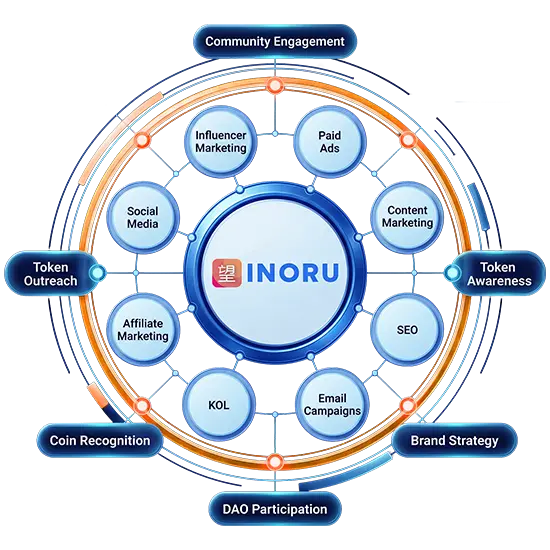
Many creators offer art, music, crafts, and services that can only be acquired with tokens. Ensure these exclusive offerings are valuable and relevant to your audience. This creates a direct link between token holding and real-world benefits.
Implement vesting schedules for team tokens and early investors to align long-term interests. This signals confidence in the project’s future and reduces the risk of early sell-offs destabilizing the market.
| Metric | Short-Term Pump Strategy | Sustainable ROI Strategy |
|---|---|---|
| Primary Goal | Quick price increase | Long-term community value |
| Token Utility | Speculative trading | Exclusive access and governance |
| Vesting | None or minimal | Structured vesting for team/investors |
| Marketing | Aggressive paid ads | Organic community building |
| Compliance | Often ignored | Prioritized and proactive |
The creator token market is evolving from a speculative frenzy to a more mature ecosystem. By focusing on utility, compliance, and community, creators can build tokens that provide lasting value. This approach not only protects investors but also strengthens the creator’s brand and long-term viability in the Web3 space.
Creator coins in crypto explained
A Creator Coin is an ERC-20 token linked to your Base app profile and Zora, allowing you to earn from trading volume. Unlike traditional NFTs that represent a static piece of art, these tokens function as dynamic social assets. When fans buy or trade them, the creator earns a percentage of every transaction, turning social engagement into a measurable financial stream.
This infrastructure shift moves value from centralized platforms directly to the creator’s wallet. It creates a circular economy where the community’s growth directly impacts the token’s liquidity and the creator’s earnings. For creators, this is not just about branding; it is about building a sustainable revenue model that scales with their audience.
No comments yet. Be the first to share your thoughts!