Creator tokens limits to account for
Creator Tokens works best as a clear sequence: define the constraint, compare the realistic options, test the tradeoff, and choose the path with the fewest hidden costs. That order keeps the advice usable instead of decorative. After each step, pause long enough to check whether the recommendation still fits the reader's actual situation. If it depends on perfect timing, unusual access, or a best-case budget, include a simpler fallback.
The simplest way to use this section is to write down the real constraint first, compare each option against it, and choose the path that still works outside ideal conditions.
Creator token choices that change the plan
Selecting a creator token model requires balancing community engagement against capital efficiency and regulatory risk. There is no single standard; the right choice depends on whether you prioritize liquidity depth, brand alignment, or technical simplicity.
Platform-specific tokens vs. independent standards
Platform-native tokens, such as those on Base or Solana, offer seamless integration with existing social features and immediate access to built-in audiences. These tokens are typically ERC-20 or SPL tokens linked directly to a creator’s profile, allowing fans to buy and sell with minimal friction. However, this convenience comes with platform dependency. If the platform changes its fee structure or delists your token, your monetization infrastructure vanishes. Independent standards like Creator Token Standards (CTS) provide portability across multiple blockchains but require users to navigate external wallets and exchanges, which can reduce impulse purchases.
Liquidity depth vs. market cap control
High liquidity is essential for maintaining stable pricing, but it often requires significant initial capital deployment. Platforms like Zora automate market-making to ensure immediate tradability, but they take a cut of every transaction. Conversely, manually managed liquidity pools give creators full control over fees and reserves but expose the token to volatility and "rug pull" perceptions if not managed transparently. For smaller communities, a lower liquidity threshold may be more sustainable, even if it means wider bid-ask spreads.
Regulatory clarity vs. innovation speed
Tokens with clear utility, such as access to exclusive content or merchandise, often face fewer regulatory hurdles than pure speculative assets. However, defining "utility" on-chain is complex. Some platforms classify creator tokens as rewards or loyalty points, avoiding securities classification, while others treat them as financial instruments. This distinction affects where you can list your token and who can buy it. Speed to market is faster with platforms that handle compliance, but you sacrifice long-term sovereignty.
| Feature | Platform-Native | Independent Standard | DAO Managed |
|---|---|---|---|
| Setup Complexity | Low | Medium | High |
| Audience Access | High | Low | Medium |
| Fee Control | Low | High | Medium |
| Regulatory Risk | Medium | Low | High |
| Portability | Low | High | Medium |
Decision framework
Choose platform-native tokens if your primary goal is rapid community growth and you are willing to accept platform fees and restrictions. Opt for independent standards if you prioritize long-term asset ownership and cross-platform portability. DAO-managed tokens are suitable for larger, decentralized communities where collective governance is essential, but they require significant operational overhead. Before launching, audit the specific legal requirements in your jurisdiction and test the user journey with a small group of early supporters.
Choose the next step
Selecting the right infrastructure for your creator token requires matching your specific monetization model to the technical capabilities of the blockchain. There is no single standard that fits every use case. The decision hinges on whether your primary goal is community engagement, direct asset sales, or long-term treasury management.
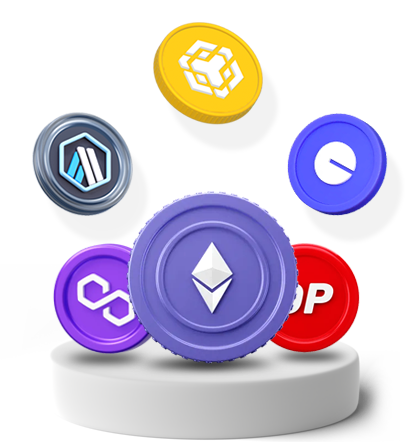
Start by identifying which token standard aligns with your content. ERC-20 tokens function as utility currencies for recurring community perks, while ERC-721s are better suited for unique, collectible moments like signed digital art or exclusive access passes. ERC-1155 offers a hybrid approach, allowing you to manage both fungible and non-fungible assets within a single contract, which reduces gas costs for complex reward systems.
Once you have selected your standard, verify the available guardrails. Creator Token Standards allow you to define specific rules for the transfer function of ERC-20, ERC-721, and ERC-1155 tokens. These guardrails are essential for maintaining community trust and preventing unauthorized distribution. Ensure your chosen platform supports the specific restrictions you need, such as whitelisting or time-locked transfers, to protect your audience and your brand.
Liquidity is the lifeblood of any creator token. Compare the integrated exchanges and automated market makers (AMMs) available on your chosen platform. A platform with deep liquidity ensures that fans can buy and sell tokens without significant price slippage. Look for platforms that offer built-in liquidity pools or partnerships with major decentralized exchanges to maximize the secondary market activity for your token.
Finally, prioritize the onboarding experience for your community. If the process of connecting a wallet and purchasing your token is complex, you will lose potential supporters. Choose a platform that offers seamless wallet integration and clear transaction feedback. A smooth user experience reduces friction and encourages broader adoption, turning casual followers into active token holders.
-
Define your primary monetization goal
-
Select the appropriate token standard
-
Verify transfer guardrails and compliance
-
Assess platform liquidity options
-
Test the end-user onboarding flow
Spotting misleading claims and weak options
Creator tokens promise direct onchain monetization, but the infrastructure has significant tradeoffs that many guides gloss over. The core issue is that "creator coin" is not a single technical standard. Projects like AppTokens allow creator-defined guardrails on ERC20, ERC721, or ERC1155 tokens, but this flexibility introduces complexity that often leads to poor user experiences or security risks if not implemented correctly.
Many platforms market these tokens as simple loyalty programs, yet they function as speculative assets with no intrinsic value. This distinction is critical for both creators and holders. When evaluating a token's viability, look for clear utility beyond speculation. If the only benefit is "supporting the creator," the token is likely a weak option for sustainable monetization.
The market analysis for 2026 highlights a shift toward utility-driven tokens. Projects that fail to provide tangible benefits, such as exclusive access or revenue sharing, are seeing declining engagement. Creators must carefully consider the technical and legal implications of issuing their own tokens. A poorly designed token can damage community trust and expose the creator to regulatory scrutiny.
Market Data
Creator Tokens FAQ
How do creator tokens differ from standard ERC-20 tokens?
Standard ERC-20 tokens operate with open transfer functions, meaning anyone can buy, sell, or hold them without restriction. Creator Token Standards introduce creator-defined guardrails directly into the transfer logic. This allows creators to enforce rules such as holding periods, transfer taxes, or exclusive access rights, effectively turning a generic asset into a managed community membership. As noted in integration guides, these standards apply to ERC-20, ERC-721, and ERC-1155 tokens, providing a flexible infrastructure for onchain monetization that standard tokens lack.
Are creator tokens a good investment for fans?
Creator tokens are not traditional investments; they are speculative instruments tied to a specific individual's popularity. Unlike stocks, which represent ownership in a company's cash flows, a creator token's value is driven by community sentiment and trading volume. While some creators earn revenue from trading fees, token holders do not receive dividends or governance rights over the creator's business. Buyers should view these tokens as a way to support their favorite content creator, accepting the high risk of volatility associated with social media trends.
Which platforms are best for launching creator tokens in 2026?
The landscape has shifted from standalone apps to integrated social layers. Base, for example, allows creators to link ERC-20 tokens directly to their app profile via Zora, simplifying the launch process. Other platforms offer no-code token generators that streamline minting, but they often lack the deep social integration that drives organic trading volume. For serious projects, using official Creator Token Standards ensures compatibility across wallets and exchanges, whereas platform-specific tokens may remain trapped within a single ecosystem.
How do creators earn revenue from these tokens?
Revenue models vary by platform and token structure. Some creators earn a percentage of every secondary sale, creating a continuous income stream tied to trading activity. Others use the tokens to gate access to exclusive content, merchandise, or community spaces. It is crucial to distinguish between tokens that are purely speculative and those that provide utility. A token with no clear utility or revenue mechanism for the creator often fails to sustain long-term value, leaving early buyers with depreciating assets.
No comments yet. Be the first to share your thoughts!