Defining the creator tokens strategy
To build a sustainable monetization model in 2026, you must distinguish between social tokens and community governance tokens. Creator tokens function as direct fan-to-creator value exchanges, akin to digital collectibles with utility, rather than equity or decentralized voting rights. Confusing these asset classes leads to misaligned incentives, where fans expect governance power but the creator offers only access.
In contrast, community tokens are built for decentralized governance, aligning stakeholders around a shared product roadmap. For a creator, minting a governance token requires building a DAO structure and handing over control—a significant shift from the traditional top-down influencer model. If your goal is to deepen engagement and monetize loyalty, a creator token makes sense. If you are building a platform requiring collective decision-making, a governance token is the appropriate tool.
Creator Token Infrastructure
Building a creator token strategy requires selecting the right technical foundation. The infrastructure must handle low transaction costs, scale with audience growth, and provide tools for community management. In 2026, the gap between emerging and established chains has narrowed, but operational differences remain significant for creators managing fan economies.
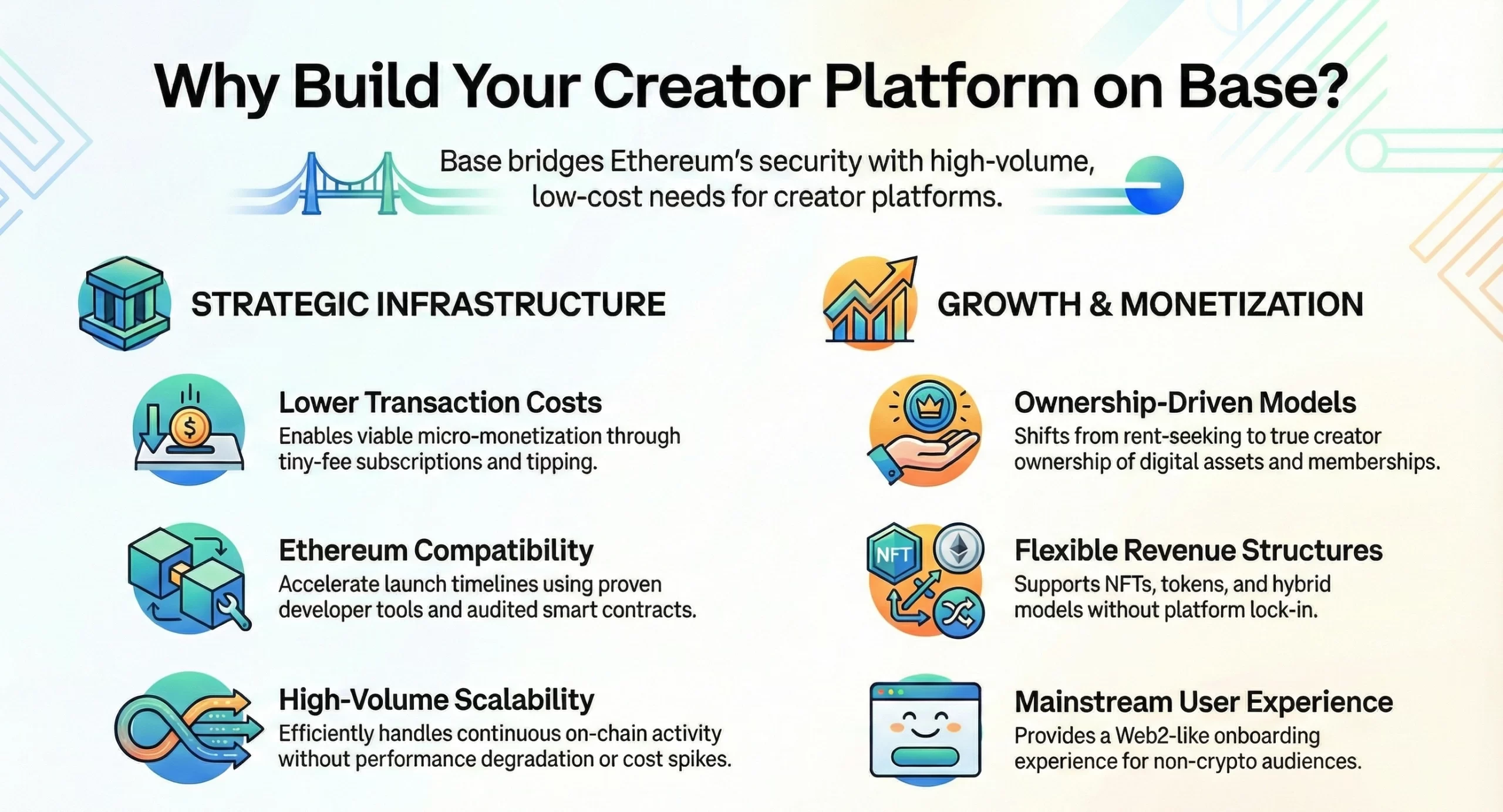
Base offers a low-friction entry point for creators familiar with Ethereum’s ecosystem but priced out of mainnet fees. Rally provides a dedicated social token layer that abstracts away blockchain complexity entirely. Manifold offers the modular toolkit for creators who want to build custom token mechanics without being locked into a single platform’s template.
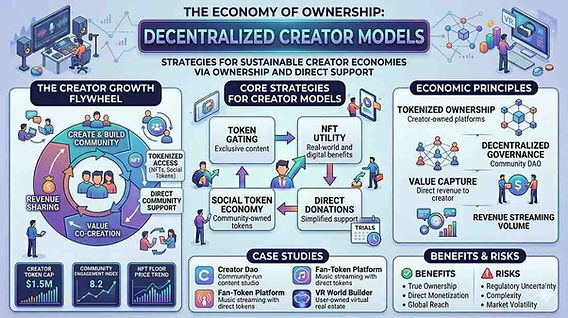
Choosing between these paths depends on your technical comfort and community size. A comparison of the leading infrastructure providers highlights where each excels.
| Provider | Issuance Cost | Primary Audience | Technical Barrier |
|---|---|---|---|
| Base | Near-zero (L2) | Crypto-native, Ethereum users | Medium (Wallet setup required) |
| Rally | Platform fee | Social-first creators, Web2 users | Low (No wallet needed) |
| Manifold | Gas + Minting fees | Builders, DAOs, Custom projects | High (Smart contract knowledge) |
For creators prioritizing ease of onboarding, Rally’s social token model removes the friction of wallet creation. Fans can buy tokens using credit cards, treating the token more like a membership pass than an asset. This approach aligns with the "freemium" marketing strategies many creators already use, lowering the barrier to entry for casual supporters.
Base appeals to creators who want the security and composability of Ethereum without prohibitive gas fees. As a Layer 2 solution, it allows for cheap, fast transactions while still connecting to the broader DeFi ecosystem. This is ideal for creators who plan to integrate their tokens with other financial products or NFTs in the future.
Manifold caters to the builder mindset. It provides the tools to create custom token standards, governance systems, and reward mechanisms. While this requires more technical effort, it offers the most flexibility for long-term projects that outgrow standard templates. For creators treating their token as a core business asset rather than a fan perk, Manifold provides the necessary infrastructure.
The choice of infrastructure ultimately dictates the user experience. A complex setup may alienate casual fans, while a simplified platform may limit future growth. Aligning the technical stack with your audience’s expectations is the first step in a sustainable creator token strategy.
Designing tokenomics for long-term value
The difference between a sustainable creator token and a failed experiment often comes down to supply mechanics. Too many projects start with an open-ended inflation model that dilutes early supporters, turning loyal fans into passive holders waiting for the next payout. To build a strategy that lasts, treat the token supply like a fixed asset class rather than a printing press.
Capped supplies create scarcity
A hard cap on total supply is the most effective tool for preventing dilution. By limiting the number of tokens that can ever exist, you force the market to compete for a finite resource. This structure aligns with the principles of deflationary economics, where value accrues to holders as demand outpaces the static supply.
Stripe’s analysis of tokenomics highlights how capped models create distinct expectations around scarcity, fundamentally changing how participants behave. When holders know no new tokens will enter circulation from a central treasury, their incentive shifts from speculation on quantity to value in quality and utility. This stability is crucial for maintaining trust over a multi-year horizon.
Utility must drive demand, not just speculation
Supply mechanics alone are not enough. You need a robust utility layer that encourages holding rather than immediate selling. This means designing features that require the token to function, such as access to exclusive content, voting rights on community direction, or tiered membership benefits.
As noted by a16z in their guide to tokens, the token’s role within a larger compensation or engagement strategy determines its longevity. If the only reason to hold the token is to sell it to someone else, the price will inevitably collapse. Instead, focus on building a "sticky" ecosystem where the token is a key to ongoing interaction with the creator’s brand.
Dynamic issuance for active participation
For projects requiring ongoing engagement, consider a dynamic issuance model tied to specific actions. Rather than giving tokens away for free, reward them through verifiable contributions like content creation, community moderation, or consistent attendance at events. This ensures that new tokens entering the supply are earned by active participants who add value to the ecosystem.
This approach prevents the "airdrop fatigue" that plagues many modern projects. By tying issuance to real-world effort or engagement, you maintain a healthy balance between growth and scarcity. The token becomes a record of contribution, not just a speculative instrument.
Reviewing the creator tokens market research
The creator tokens market has moved past the initial hype cycle into a phase defined by utility and sustainable engagement. Unlike speculative meme coins, successful creator tokens function as membership keys, granting holders access to exclusive content, governance rights, or real-world experiences. This shift from pure speculation to utility is the primary driver of current adoption rates, creating a more resilient foundation for long-term value.
Market data indicates that revenue potential is now closely tied to community depth rather than just token price volatility. Creators who treat their tokens as a layer of their existing audience relationship—rather than a standalone financial product—see significantly higher retention and transaction volume. The focus has shifted toward tokenomics that reward active participation, such as staking for early access or burning tokens for discounts, which aligns the creator's success directly with their fans' engagement.
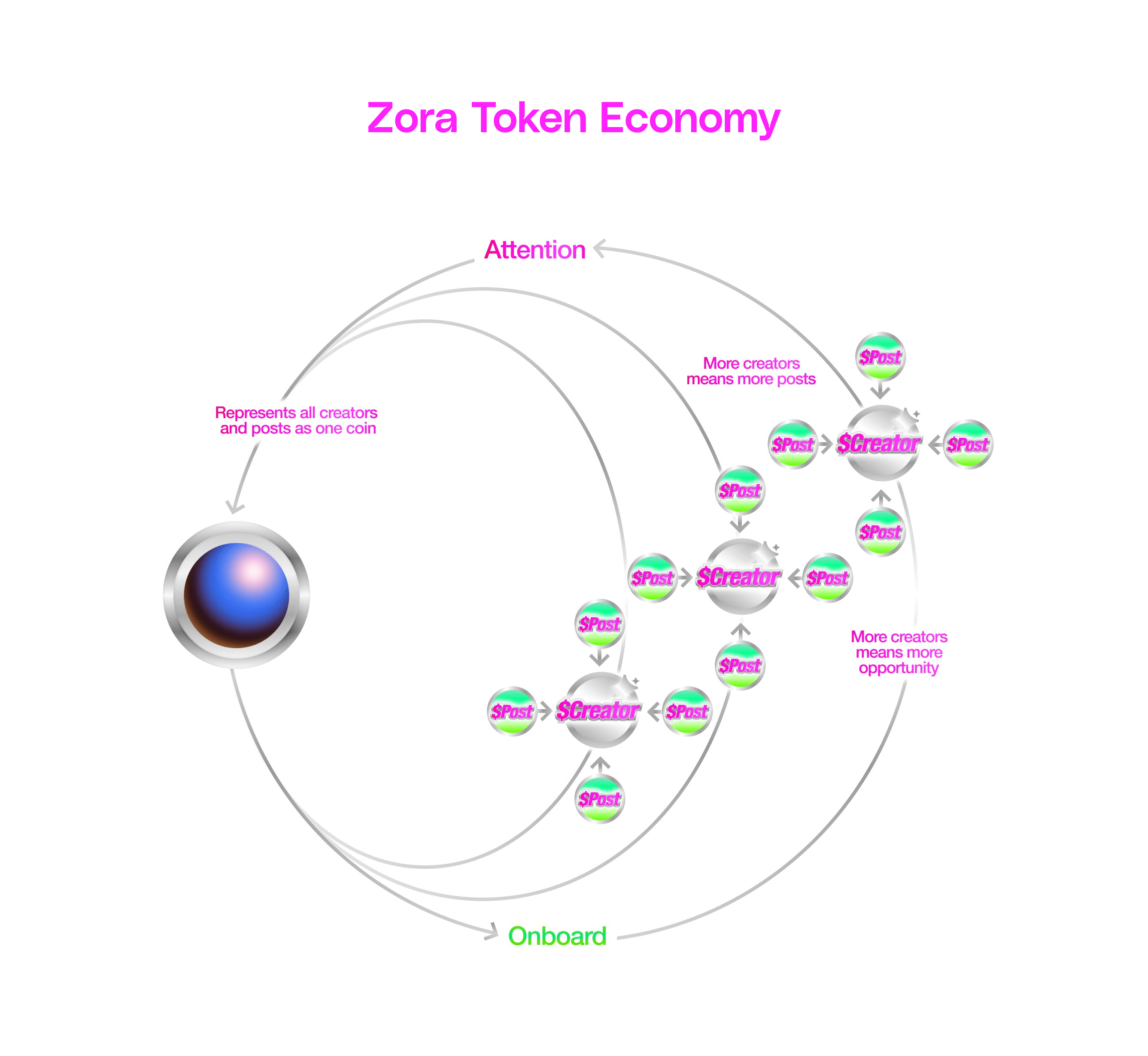
To understand the current trajectory, it is essential to look at the broader social token ecosystem. Platforms like Zora and Friend.tech have demonstrated that decentralized social layers can capture value that traditional social media platforms retain. The following chart illustrates the historical price action and volume trends for major social tokens, highlighting periods of high engagement and subsequent stabilization.
The data suggests that while overall market capitalization may fluctuate with broader crypto trends, the underlying user activity in creator token ecosystems remains steady. Investors and creators should monitor on-chain metrics such as unique holder growth and daily active wallets rather than relying solely on price performance. These metrics provide a clearer picture of the true adoption and utility of a creator token strategy.
Execute the launch and growth plan
Launching a creator token requires more than deploying a smart contract; it demands a structured rollout that aligns token economics with community incentives. The goal is to move from a static asset to an active ecosystem where holders feel a tangible stake in your content and brand. A successful strategy combines educational outreach, clear utility, and a disciplined go-to-market approach.
Build the community before the token
Your earliest supporters are your most valuable asset. Before the public sale, engage your existing audience through newsletters, Discord, or live streams to explain the vision. Educate them on how the token works and what benefits they will receive, such as exclusive access or voting rights. This pre-launch phase builds trust and ensures that the initial distribution goes to genuine fans rather than transient speculators.
Design the initial distribution
How you distribute the token sets the tone for its long-term health. Avoid dumping large supplies on the open market, which can crash the price and alienate early supporters. Instead, allocate portions to a community treasury, development fund, and gradual release schedules. Use capped or deflationary supply models to create scarcity, ensuring that the token retains value as the creator’s influence grows.
Implement utility and incentives
A token without utility is just a speculative ticket. Integrate the token into your content workflow by offering holders perks like early access to videos, merchandise discounts, or behind-the-scenes content. These incentives encourage holding and reduce sell pressure. As noted by onchain.org, a sustainable project relies on token incentives that reward active participation rather than passive ownership.
Monitor and adjust
Post-launch, track holder behavior and token velocity. If the price spikes too quickly, consider implementing vesting schedules or buy-back mechanisms to stabilize the market. Use analytics tools to understand who is holding and who is selling, allowing you to refine your utility offerings. Continuous engagement is key; treat the token not as a one-time product, but as an ongoing relationship with your audience.
No comments yet. Be the first to share your thoughts!