The creator economy is scaling fast
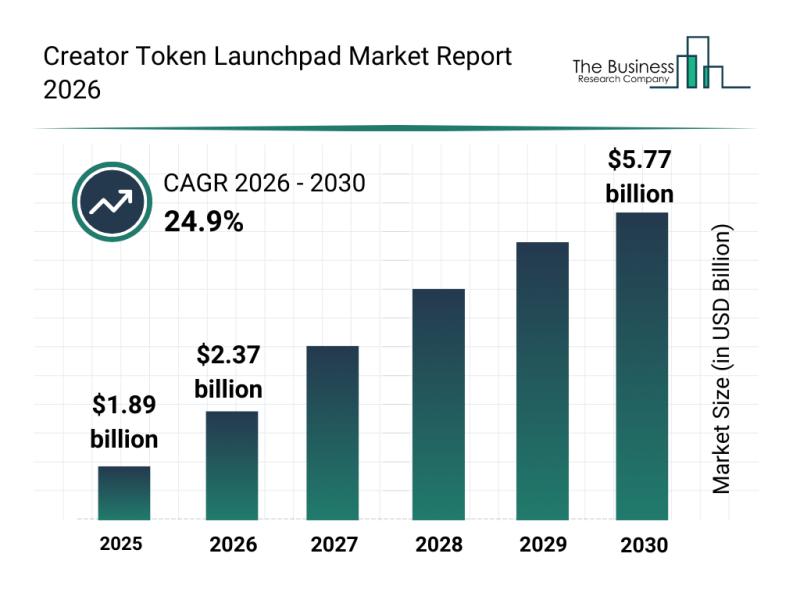
The creator economy is no longer a niche side hustle; it is a dominant financial force. In Europe alone, the sector generated nearly $8.1 billion in 2025, driven by a 20% year-over-year increase. This momentum is accelerating, with projections indicating the market will reach $157.3 billion (€135 billion) by 2032. That represents an average annual growth rate of 25.1%, signaling a structural shift in how value is captured online.
This macro growth is intersecting with a new layer of infrastructure: tokenized assets. We are seeing the rise of "Creator Capital Markets," financial systems that allow influencers and streamers to tokenize their social attention. Rather than just building audiences, creators can now mint social tokens to grow communities and monetize engagement directly.
This shift moves beyond simple sponsorship deals. By linking tokens to profiles on platforms like Base and Zora, creators can earn from trading volume, turning their social capital into liquid assets. The infrastructure supporting this is evolving rapidly, setting the stage for a more integrated creator economy.
The shift to lightweight issuance
The infrastructure for creating and managing creator tokens has moved away from heavy, custom smart contract deployments toward modular, low-friction systems. This evolution prioritizes ease of use for the creator and immediate liquidity for the holder. Instead of minting a token on a complex, dedicated chain, creators now leverage standardized protocols that handle the technical heavy lifting.
Two primary models dominate this shift. The first is the "pump.fun" style bonding curve, which allows instant token creation with built-in liquidity. The second is the integration of creator coins directly into social profiles, such as Base’s implementation with Zora, which ties token trading volume directly to the creator’s identity. These approaches reduce the barrier to entry, allowing anyone to launch a token without understanding gas optimization or liquidity pool mechanics.
This democratization of issuance has created a new asset class: creator capital markets. These are financial systems where social influence is directly tokenized. As noted by 21Shares, this represents a structural change in how attention is monetized, moving from passive ad revenue to active, tradeable social equity. The infrastructure is no longer just about issuing a token; it is about embedding financial rails directly into social interaction.
The rise of tokens like $LIT (Lighter) demonstrates the viability of this model. By using a lightweight, purpose-built chain, these projects achieve the speed and low cost necessary for high-frequency social trading. The technical chart above shows the trading volume and price action of $LIT, illustrating how quickly these tokens can gain traction when the infrastructure supports it.
As the creator economy continues to grow—projected to reach nearly $157.3 billion in Europe by 2032—the underlying tools must keep pace. The focus is shifting from "can I build a token?" to "how quickly can I launch and trade?". This infrastructure shift is not just about convenience; it is about creating a liquid, accessible market for social attention.
Comparing leading creator platforms
Choosing the right infrastructure depends on where your audience already lives and how you plan to monetize. The landscape splits into three distinct approaches: decentralized social layers, dedicated minting protocols, and blockchain-native social networks.
Base and Zora: On-chain social integration
Base and Zora have moved creator tokens from niche experiments into mainstream social apps. Creator Coins on Base are ERC-20 tokens linked directly to your profile, allowing you to earn from trading volume without managing complex smart contracts. This integration lowers the barrier to entry, making it easy for creators to launch tokens that function as community membership passes or speculative assets within the Base ecosystem.
Manifold and Friend.tech: Dedicated token infrastructure
Manifold and Friend.tech offer specialized tools for creators who want more control over their tokenomics. Manifold provides robust smart contract templates and a marketplace for issuing NFTs and tokens with custom rules. Friend.tech took a different approach by tying token access to social connections, creating a viral loop where holding someone's token grants access to their private chat. Both platforms cater to creators who prioritize direct monetization and community exclusivity over broad social discovery.
Farcaster: Protocol-level social tokens
Farcaster treats tokens as a native layer of social identity. Instead of treating tokens as an add-on, Farcaster allows creators to issue tokens that represent social capital and access within the protocol. This approach integrates token ownership directly into the social graph, making it easier for communities to coordinate and reward engagement without leaving the platform.
Platform comparison
The table below compares the core differences between these approaches to help you decide which infrastructure aligns with your goals.
| Platform | Type | Fees | Audience Size | Liquidity |
|---|---|---|---|---|
| Base/Zora | Social Layer | Variable | Large | Medium |
| Manifold | Infrastructure | Gas + Platform | Niche | Low |
| Friend.tech | Dedicated App | Trading Fee | Medium | High |
| Farcaster | Protocol | Gas | Growing | Variable |
Essential Tools for Onchain Growth
Managing a creator token requires more than just deploying a contract. Creators rely on specific infrastructure to handle liquidity, community engagement, and secondary market dynamics. The right tools turn a static asset into an active ecosystem.
Liquidity and Market Making
A token without liquidity is just a digital collectible. Professional creators often engage market makers to ensure their tokens remain tradable and price-stable. This service is critical for maintaining volume and preventing wide spreads that drive away casual holders.
For creators looking to understand the mechanics of liquidity, video resources like How to Hire a Market Maker for Your Token provide practical insights into the hiring process and what to expect from these partnerships.
Community and Commerce Platforms
Beyond trading, the value of a creator token often lies in exclusive access. Platforms like Zora and Base allow creators to mint ERC-20 tokens directly linked to their profiles. These tools enable direct commerce, where holders unlock art, music, or services unavailable elsewhere. This "exclusive commerce" model shifts the relationship from passive holding to active participation.
Hardware Security
Managing token assets and private keys requires robust security. Hardware wallets are the industry standard for storing significant crypto holdings safely, keeping private keys offline and away from digital threats. For creators managing substantial token volumes, investing in secure storage is non-negotiable.


As an Amazon Associate, we may earn from qualifying purchases.
Designing sustainable creator token economics
Building a token that survives beyond the initial launch requires shifting focus from hype to utility. Many creator projects fail because they treat tokens as speculative assets rather than access keys. A sustainable model aligns token value with tangible benefits, such as exclusive content, voting rights, or revenue sharing.
Avoid inflationary models that flood the market with supply. Instead, implement deflationary mechanisms like buybacks or burn events tied to platform activity. This ensures that as the creator’s audience grows, the token becomes scarcer and more valuable. For deeper insights into valuation factors, refer to research on token creation and valuation MDPI.
Track your token’s performance using provider-backed tools. This helps you understand real demand versus artificial pumps.
Frequently asked questions about creator tokens
What are creator coins in crypto?
A creator coin is an ERC-20 token linked to your social profile, allowing you to earn from trading volume. Platforms like Base and Zora facilitate this by tying the token directly to the creator's identity, turning audience engagement into a tradable asset.
Is the creator economy booming?
The creator economy is expanding rapidly. In France, the sector generated nearly $8.1 billion in 2025, up 20% from the previous year. This growth reflects a broader trend, with the European market expected to reach nearly $157.3 billion by 2032.
How do creator token platforms generate revenue?
Revenue models have evolved beyond simple sales. Newer platforms like Lighter offer airdrops and leverage decentralized exchanges such as Uniswap for liquidity. This shift allows creators to capture value from ongoing trading volume rather than just initial minting.
No comments yet. Be the first to share your thoughts!