Defining the creator token landscape
The term "creator token" has become a catch-all in crypto marketing, often obscuring the distinct mechanics of different asset classes. To analyze the market accurately, we must separate three specific categories: creator tokens, social tokens, and community governance tokens. Each serves a different function, carries a different risk profile, and appeals to a different segment of the audience.
Creator tokens are digital assets directly linked to a single individual. Their primary value proposition is access: holders often receive exclusive content, early access to products, or direct interaction with the creator. Unlike traditional fan clubs, these tokens are tradable on secondary markets, allowing fans to speculate on the creator's future influence. As noted by Coinbase, these tokens grant fans access to exclusive content, effectively monetizing the creator-fan relationship through market dynamics rather than subscription fees [src-4].
Social tokens operate similarly but are often broader in scope, representing a brand, a collective, or a lifestyle rather than just one person. While the line between creator and social tokens is increasingly blurred, the key distinction lies in governance and utility. Social tokens frequently serve as entry passes to private communities or Discord servers, functioning as a membership key that can appreciate or depreciate based on community health.
Community governance tokens, by contrast, are less about personal brand equity and more about decentralized decision-making. These tokens grant voting rights on protocol upgrades, treasury spending, or platform rules. While some creator-led projects have migrated to this model, governance tokens are primarily designed for decentralized autonomous organizations (DAOs) where power is distributed among holders. Confusing these with creator tokens leads to flawed investment theses, as governance tokens rely on protocol utility rather than individual charisma.
Tracking market supply and demand
Creator token valuation is rarely about the creator’s fame alone; it is a direct reflection of supply constraints meeting demand drivers. When a creator mints a fixed supply, scarcity becomes the primary lever for price appreciation. However, unlike traditional equities where buybacks reduce float, most creator tokens operate on dynamic emission schedules or community-governed burns, making the mechanics of supply equally important as the volume of demand.
The demand side is fueled by speculative trading and utility access. As noted in market analyses, demand for creator tokens often exceeds available supply during peak engagement cycles, creating volatility that rewards early participants. This dynamic is visible in the price action of major assets. For instance, looking at the liquidity and price action of a foundational creator ecosystem token like $GRT helps illustrate how market depth handles these influxes of speculative interest.
Understanding this interplay requires looking beyond simple price charts. High trading volume indicates liquidity and stability, while low volume often signals a lack of sustained interest. The difference between circulating supply and max supply is critical; investors must distinguish between tokens currently in the market and those locked in vesting schedules. This distinction determines the actual scarcity investors are pricing in.
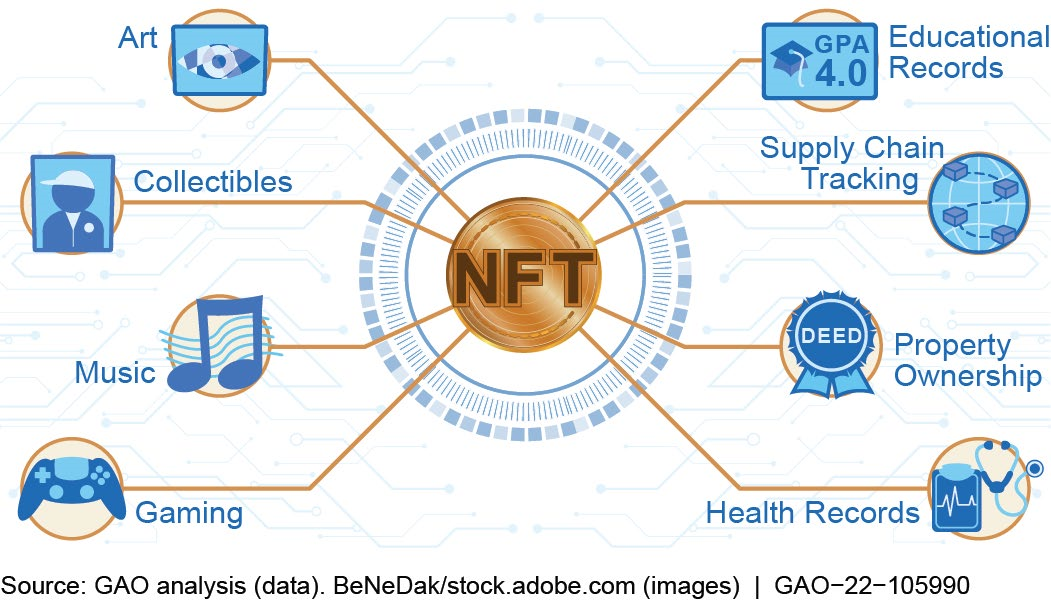
Evaluating creator token tools and platforms
Use this section to make the Creator Tokens Analysis decision easier to compare in real life, not just on paper. Start with the reader's actual constraint, then separate must-have requirements from details that are merely nice to have. A practical choice should survive normal use, maintenance, timing, and budget. If a recommendation only works in an ideal situation, call that out plainly and give the reader a fallback path.
The simplest way to use this section is to write down the must-have criteria first, then compare each option against those criteria before weighing nice-to-have features.
Rollup mechanics and transaction fees
The viability of creator tokens hinges on the economics of the underlying settlement layer. For micro-transactions—such as a fan buying a $2 digital sticker or unlocking a short video clip—blockchain fees are the primary friction point. If a single transaction costs $5 on a high-fee Layer 1 network, the token model collapses under its own overhead. Layer 2 (L2) rollups solve this by batching hundreds of transactions off-chain and posting a single proof to the main chain, drastically reducing the per-unit cost.
This shift transforms creator tokens from speculative assets into functional utility instruments. When fees drop to fractions of a cent, the barrier to entry for casual supporters vanishes. Creators can sell access to niche content without requiring a minimum purchase threshold that alienates smaller fans. The infrastructure enables a "pay-per-value" model rather than a "pay-per-access" model, where the cost of interaction is negligible, encouraging higher frequency and deeper engagement.
The market reflects this structural shift. As L2 adoption grows, we see a divergence in token utility. Tokens built on high-throughput, low-cost chains are seeing more consistent trading volume in small increments, whereas those on expensive networks rely on larger, less frequent trades. This data suggests that the future of creator economy infrastructure is not just about token design, but about the efficiency of the settlement layer supporting it.
Building a sustainable monetization strategy
The most common failure mode for creator tokens is treating them as speculative assets rather than membership instruments. When a token’s primary utility is trading, the holder base becomes transient. Fans buy to flip, not to engage. This creates a volatile revenue stream that collapses when market sentiment shifts. To build long-term loyalty, you must structure tokenomics that reward consistent participation over short-term price action.
Start by defining clear, non-financial utilities that require active holding. Exclusive access to content, behind-the-scenes updates, or voting rights on future projects creates intrinsic value that exists independently of the open market. This approach aligns with how community tokens function in decentralized governance, where value is derived from influence and access rather than pure speculation. By tying token ownership to tangible experiences, you reduce the incentive for holders to sell immediately after purchase.
Diversify your revenue streams beyond the token itself. Use the token as a loyalty mechanism within a broader ecosystem that includes direct sales, subscriptions, or physical merchandise. This reduces reliance on secondary market trading volume for your income. When fans hold tokens because they want access to your world, not just your chart, you create a resilient business model that withstands crypto market cycles.
Before launching, audit your tokenomics against a strict checklist. Ensure there are mechanisms to prevent dumping, such as vesting schedules for your own holdings or utility-based burn rates. If the only reason to hold is hope of appreciation, you are building a house of cards. Build a community, not a casino.
Frequently asked questions about creator tokens
Creator tokens are digital assets issued by individuals or businesses to build a direct economic relationship with their audience. Unlike traditional currency, these tokens often grant holders access to exclusive content, governance rights, or community perks, effectively bypassing traditional intermediaries and reducing fees for both the creator and the supporter.
Analyzing these tokens requires the same rigorous approach used for broader cryptocurrency markets. Key indicators include trading volume, which signals liquidity and stability, and the ratio of circulating supply to maximum supply, which helps determine scarcity. High volume often suggests active market interest, while a tight circulating supply can drive price appreciation if demand remains strong.
Helpful gear
Use these product recommendations as a starting point, then choose the size, material, and price point that fit how you actually use the gear.
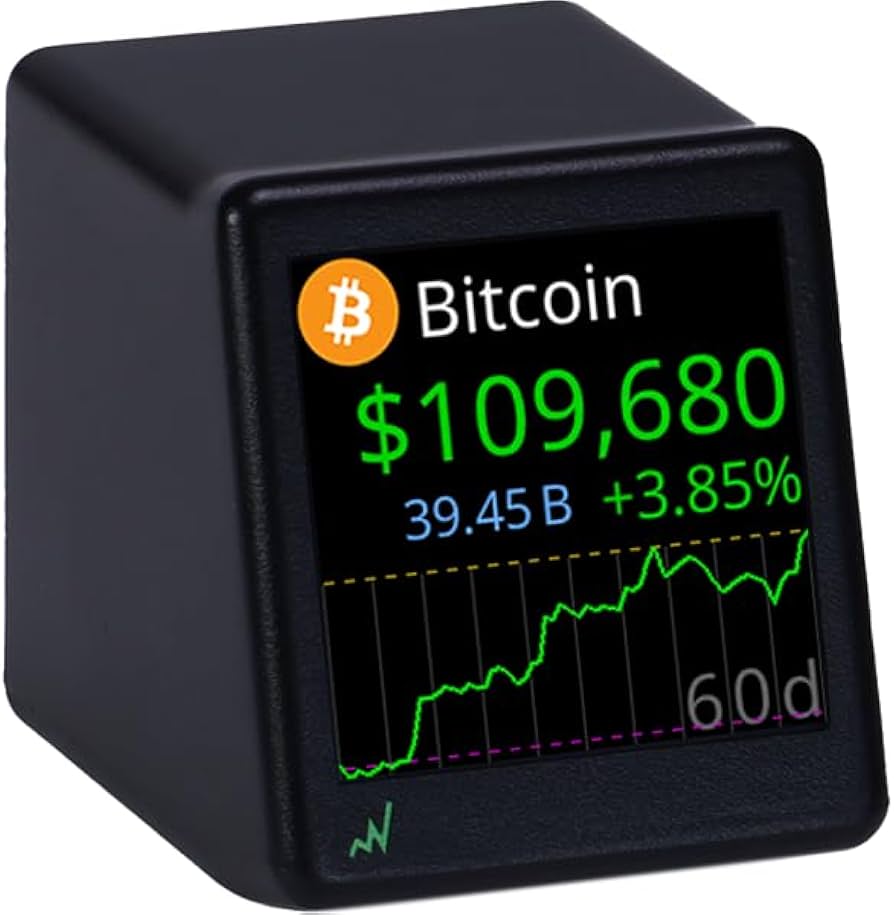


As an Amazon Associate, we may earn from qualifying purchases.
No comments yet. Be the first to share your thoughts!